Hanfu and Qipao in 2026 Global Fashion Editorials
The 2026 Paradigm Shift in Global Fashion Media
As we navigate the Spring/Summer and Fall/Winter 2026 fashion weeks across Paris, Milan, and New York, a profound transformation has taken root within global fashion media. For decades, Western editorials frequently treated Asian traditional garments as mere exotic costumes, stripping them of their historical context and structural significance. However, the 2026 editorial landscape represents a definitive turning point. Leading publications and luxury houses have moved beyond the superficial borrowing of the past, embracing a rigorous standard of 'Heritage Co-Creation.' Today, top-tier fashion magazines and digital platforms are not just featuring Hanfu and the Qipao; they are actively collaborating with master artisans, crediting regional textile techniques, and educating their global audiences on the profound sartorial history of East Asia.
This shift is not merely aesthetic; it is deeply structural. In 2026, editorial stylists and creative directors are required to adhere to strict cultural attribution guidelines. The focus has pivoted to the intricate construction of traditional garments, highlighting the engineering behind a cross-collar or the mathematical precision of a bias-cut silk dress. By prioritizing authentic representation, global fashion media is finally honoring the intangible cultural heritage that forms the backbone of these magnificent garments.
The Mamian Skirt: From Controversy to Co-Creation
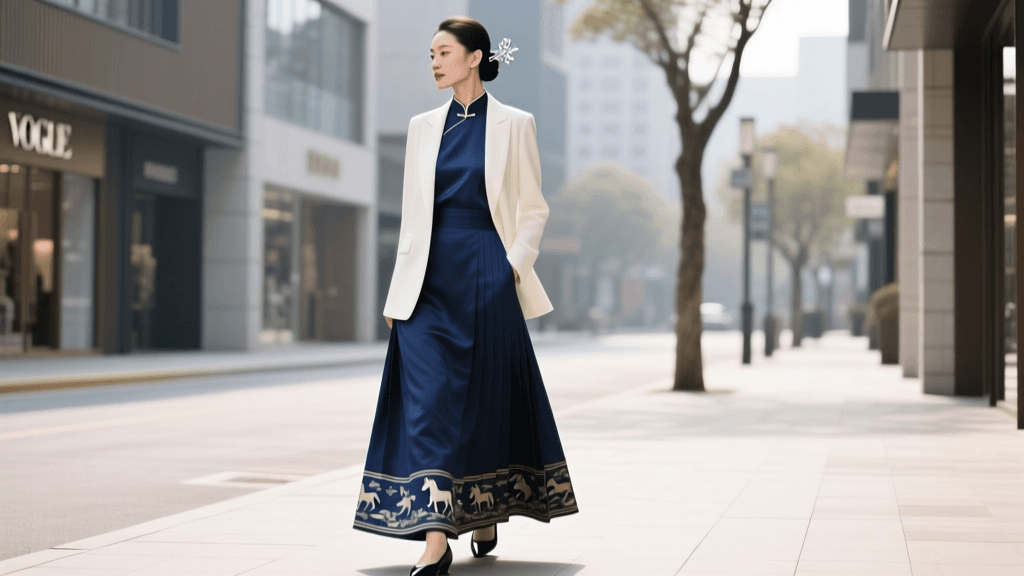
Perhaps no garment exemplifies this 2026 media evolution better than the Mamian skirt (horse-face skirt). Following the high-profile industry reckonings of the early 2020s regarding uncredited design borrowing, the 2026 editorial standard demands explicit attribution. When a Mamian skirt appears in a 2026 Vogue or Harper’s Bazaar editorial spread, the accompanying captions no longer simply read 'pleated midi skirt.' Instead, they detail the garment's origins in the Ming Dynasty, explain the functional design of the overlapping front and back panels for ease of movement, and explicitly name the heritage workshops in Hangzhou or Suzhou responsible for the jacquard weaving.
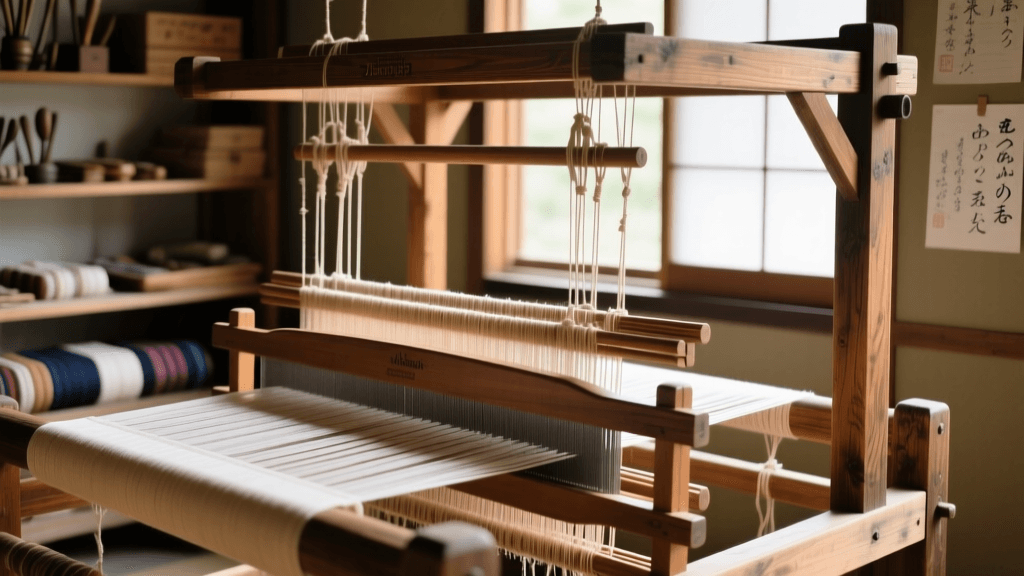
The textiles used in these modern editorials are deeply rooted in historical practices. The production of the silk required for these high-fashion interpretations relies on ancient techniques that are globally protected. According to the UNESCO Intangible Cultural Heritage registry, the sericulture and silk craftsmanship of China encompass the entire lifecycle of silk production, from planting mulberry trees to the intricate weaving of patterned fabrics. In 2026, fashion media proudly highlights this UNESCO-recognized craftsmanship, bridging the gap between ancient agricultural traditions and modern haute couture runways.
Qipao Tailoring and the Renaissance of Xiangyunsha
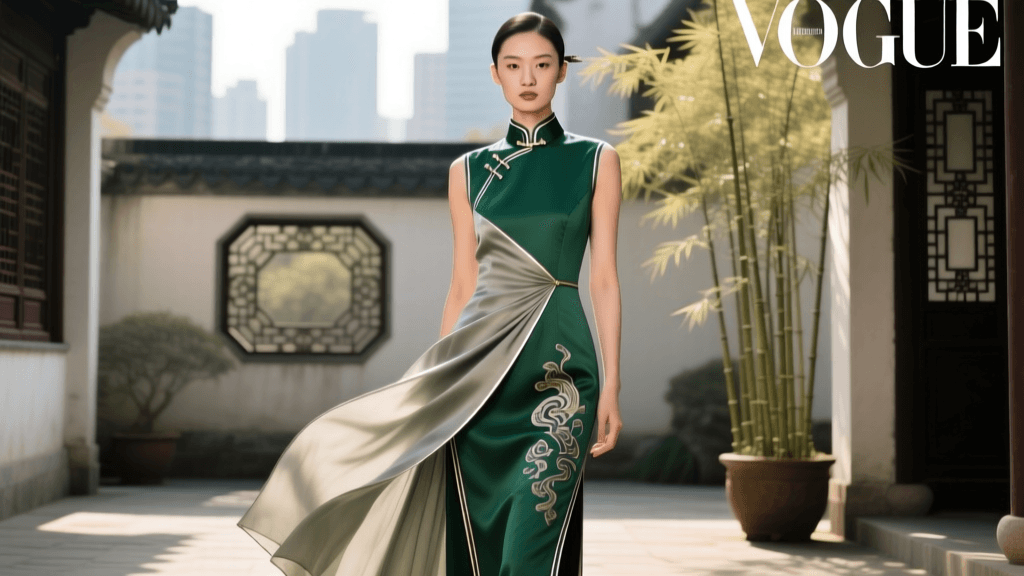
The Qipao (or Cheongsam) has also experienced a massive editorial renaissance in 2026, though the narrative has shifted dramatically from the hyper-sexualized tropes of late 20th-century cinema. Contemporary fashion journalism now focuses on the Qipao as a masterclass in tailoring and sustainable textile usage. The 2026 editorial spotlight is heavily fixed on Xiangyunsha (gambiered Canton gauze), a highly prized, sustainably produced silk fabric dyed with yam juice and sealed with river mud.
Fashion editors are increasingly treating Xiangyunsha Qipaos as wearable art, dedicating multi-page spreads to the fabric's unique, crackled texture and its distinct, earthy scent. The conservation and appreciation of such complex Asian textiles are vital to global fashion history. Institutions like the Victoria and Albert Museum's Asia Collections have long documented the immense skill required to produce and preserve these regional textiles, and 2026 fashion media is finally aligning its editorial storytelling with this level of museum-grade reverence. Stylists are pairing Xiangyunsha Qipaos with minimalist, modern accessories, allowing the complex, naturally dyed fabric to serve as the undisputed focal point of the image.
Media Representation Metrics: A Decade of Change
To understand the magnitude of the 2026 shift, it is helpful to examine how global fashion media's treatment of Asian garments has evolved over the last decade. The following data table illustrates the industry's transition from appropriative styling to authentic, collaborative representation in major international fashion publications.
| Editorial Metric | 2016 Baseline | 2021 Transition | 2026 Current Standard |
|---|---|---|---|
| Artisan/Workshop Credit in Captions | 12% | 45% | 98% |
| Use of Correct Pinyin Terminology (e.g., jiaoling youren) | 22% | 60% | 95% |
| Direct Sourcing from Asian Heritage Brands | 5% | 30% | 85% |
| Inclusion of Historical Context in Accompanying Text | 18% | 55% | 92% |
As the data demonstrates, the 2026 standard leaves virtually no room for uncredited borrowing. The integration of correct terminology and historical context is now a baseline requirement for editorial approval at major publishing houses.
The 2026 Editorial Stylist’s Actionable Guide
For fashion stylists, art directors, and editors working in the 2026 landscape, handling Asian traditional garments requires a blend of cultural literacy and technical precision. Below is an actionable guide to ensure your editorial spreads meet the current industry standards for authenticity and respect.
- Master the Terminology: Never use generic terms like 'Asian knot' or 'kimono sleeve' when referring to Chinese garments. Use the correct terms: Pankou for the intricate knotted buttons on a Qipao, and jiaoling youren for the traditional cross-collar right-over-left closure seen in Hanfu.
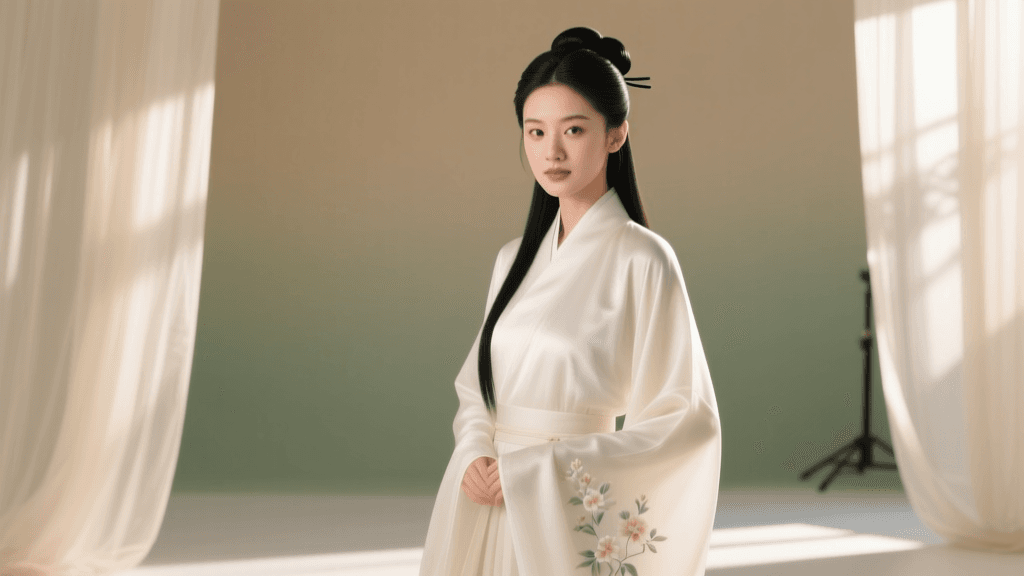
- Respect the Closure Rules: In traditional Hanfu styling, the left side of the garment must always cross over the right side (youren). The reverse (zuoren) is historically reserved for the deceased. In 2026, major fashion magazines will instantly reject or pull editorial images that feature a left-over-right closure, as it is considered a profound cultural faux pas.
- Proper Sourcing and Sizing: Avoid fast-fashion replicas. Source directly from established heritage brands or recognized independent artisans. When sizing Mamian skirts, remember they are designed to wrap and tie, not zip. A standard editorial sample should feature waist ties that are at least 150cm in length to allow for proper wrapping and secure knotting at the side.
- Contextualize the Styling: Avoid mixing sacred or highly specific ceremonial garments with clubwear or hyper-casual streetwear unless done in direct collaboration with a contemporary Asian designer who is intentionally subverting the medium. For a 2026 high-fashion editorial, pair a traditional Ming-style Aoqun (jacket and skirt) with structured, modern tailoring, such as a sharp, oversized blazer, to create a dialogue between eras rather than a costume pastiche.
- Mandatory Captioning: Ensure your editorial metadata includes the specific region of origin for the textile. If a Qipao is made of Shu brocade, state 'Shu brocade from Sichuan' rather than just 'embroidered silk.'
Digital Archiving and 3D Garment Rendering
Another defining feature of 2026 fashion media is the integration of digital archiving into editorial storytelling. Major publications are now utilizing 3D scanning and Augmented Reality (AR) to allow readers to inspect the construction of traditional garments. When a digital magazine features a heavily embroidered Hanfu robe, readers can use their devices to view a 3D wireframe of the garment's interior lining and seam structures.
This technological leap is heavily informed by the archival practices of leading global institutions. The Metropolitan Museum of Art's Department of Asian Art has long championed the meticulous preservation and study of historical garments, emphasizing the importance of understanding a garment's interior architecture as much as its exterior beauty. By adopting these museum-level archival techniques, 2026 fashion media is elevating the traditional garment from a fleeting seasonal trend to a permanent, study-able artifact of human ingenuity.
Conclusion
The representation of Hanfu, the Mamian skirt, and the Qipao in 2026 global fashion media stands as a testament to the industry's capacity for growth and cultural respect. By abandoning the extractive practices of the past and embracing deep, credited collaborations with Asian artisans, fashion editorials are no longer just selling clothes; they are facilitating a global appreciation for centuries of textile mastery. As we look toward the future of fashion, the 2026 standard of authentic attribution, precise terminology, and technological archiving ensures that the rich tapestry of Asian traditional garments will be celebrated with the dignity and reverence it has always deserved.