Mastering Wasai: 2026 Kyoto Kimono Sewing Workshops
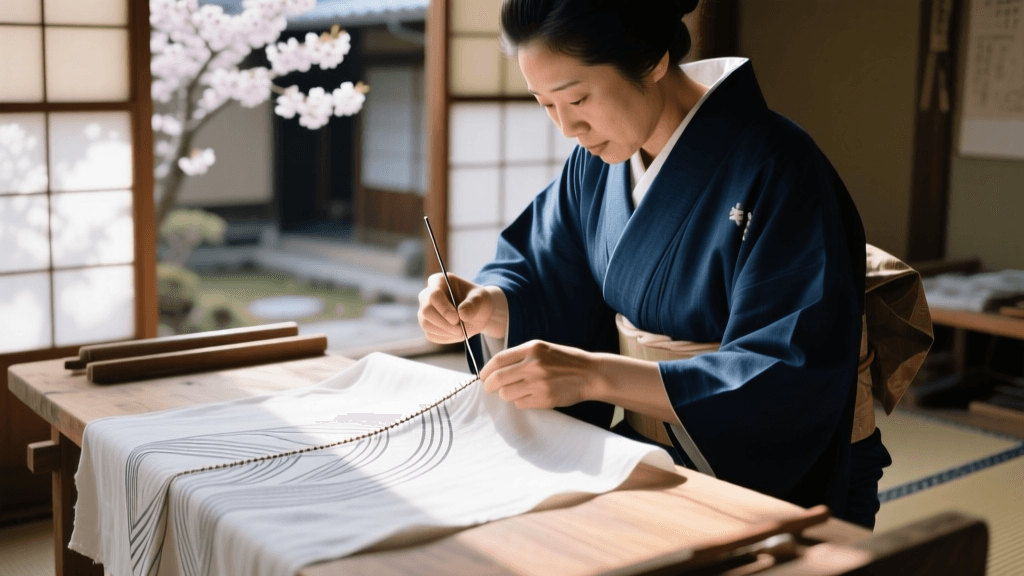
The Renaissance of Wasai in 2026
In 2026, the global fashion industry's pivot toward sustainability and zero-waste design has sparked an unprecedented renaissance in Wasai (和裁), the traditional Japanese art of kimono sewing. Once considered a niche domestic skill reserved for specialized artisans and older generations, Wasai is now highly sought after by international textile enthusiasts, slow-fashion advocates, and historical garment preservationists. Kyoto, the cultural heart of Japan, remains the premier destination for immersive workshops and seminars dedicated to this meticulous craft. Whether you are looking to construct your first cotton yukata or master the intricate silk linings of a formal komon kimono, the 2026 seminar landscape offers structured, accessible pathways into this ancient discipline.
The Philosophy of Tanmono and Zero-Waste Construction
To understand Wasai, one must first understand its foundational material: the tanmono. Unlike Western tailoring, which relies on complex curved patterns and generates significant fabric waste, traditional kimono construction utilizes a standard bolt of fabric measuring approximately 38 centimeters in width and 12 meters in length. According to the Metropolitan Museum of Art, the kimono's iconic T-shape and straight-line construction are direct results of this standardized textile format.
In Wasai seminars, students learn that the fabric is rarely cut; instead, it is folded, tucked, and sewn using straight seams. This means a kimono can be entirely disassembled, cleaned, and resewn, or even repurposed into a new garment without losing its structural integrity. As noted by the Victoria and Albert Museum, the garment's flat, two-dimensional structure allows for incredible versatility in styling and longevity. In 2026, this inherent zero-waste philosophy is a major draw for eco-conscious makers attending Kyoto workshops.
Top In-Person Workshop Formats in Kyoto
Kyoto's textile academies have modernized their curricula for 2026, offering tiered programs that cater to both absolute beginners and advanced seamstresses. Most reputable seminars are conducted in English or feature live translation, reflecting the growing international demographic of attendees.
1. The Weekend Yukata Intensive
Ideal for beginners, this 2-day seminar focuses on the yukata, an unlined summer kimono made from lightweight cotton. Students learn basic measurements, how to read a tanmono layout, and the foundational straight stitch. By the end of the weekend, participants complete a fully wearable, custom-fitted yukata.
2. The 10-Day Komon Masterclass
Designed for intermediate sewists, this immersive program tackles the komon, a casual everyday kimono featuring repeating patterns. The curriculum introduces complex techniques such as attaching the okumi (front overlap panels), setting the eri (collar) with precise tension, and mastering the blind hem stitch. Students work with mid-weight silk or high-grade synthetic blends that mimic traditional silk behavior.
3. The Artisan Haori and Accessories Seminar
For those who cannot commit to a full kimono, 2026 has seen a surge in short-course workshops focusing on the haori (a traditional hip-length jacket) and komono (small accessories). These 3-day seminars teach advanced lining techniques, reinforcement stitching, and the creation of items like zori straps and kinchaku (drawstring bags) using upcycled vintage kimono silk.
2026 Workshop Comparison Chart
Below is a comparative overview of the standard workshop formats available in Kyoto for the 2026 season, including estimated costs and time commitments.
| Workshop Type | Duration | Primary Focus | 2026 Cost (USD) | Skill Level |
|---|---|---|---|---|
| Yukata Intensive | 2 Days (16 Hours) | Cotton straight-stitch, basic fitting | $450 - $600 | Beginner |
| Haori & Accessories | 3 Days (20 Hours) | Silk lining, collar setting, small goods | $750 - $900 | Intermediate |
| Komon Masterclass | 10 Days (60 Hours) | Full silk kimono, advanced finishing | $2,800 - $3,500 | Intermediate/Advanced |
| Virtual Wasai Seminar | 6 Weeks (Self-Paced + Live) | Foundational theory, basic yukata | $250 - $350 | Beginner |
Note: Costs generally include the tanmono fabric kit, specialized tools, and studio access, but exclude accommodation and flights.
Essential Tools for the Modern Wasai Student
Western sewing kits are insufficient for traditional Japanese garment making. When you enroll in a 2026 Kyoto seminar, you will be introduced to a specialized toolkit. While most academies provide these tools during the workshop, many students choose to purchase their own sets to take home.
- Shaku (Bamboo Ruler): The traditional Japanese measuring stick, typically 37.9 cm long. It is marked in the traditional sun and shaku increments, which are crucial for following vintage Wasai pattern books.
- Herabote (Bamboo Spatula): Used instead of an iron for creating sharp, temporary creases in silk without risking heat damage. The smooth bamboo glides effortlessly over delicate textiles.
- Kote (Traditional Iron): Modern 2026 seminars utilize temperature-controlled electric kote with specialized narrow tips, allowing students to press seams open in tight areas like the collar and sleeve attachments.
- Mekajiki (Thread Counter): A small, needle-like tool used to gently pull individual threads out of the fabric weave, ensuring perfectly straight tearing lines when preparing the tanmono for cutting.
- Kakehari (Fabric Tension Frame): A wooden frame with hooks used to stretch fabric taut while sewing long seams, ensuring the silk does not pucker or warp under the needle.
Core Stitches and Techniques Taught in Seminars
Wasai relies on a surprisingly small repertoire of stitches, but executing them with absolute precision is the hallmark of a master. Instructors in Kyoto spend hours drilling these specific techniques into their students.
The Jigujin (Backstitch)
Used for the main structural seams of the kimono, the jigujin is a tight, robust backstitch. Students learn to maintain an exact stitch length of 2 to 3 millimeters, ensuring the seam can withstand the tension of wrapping the body while remaining flexible enough to drape correctly.
The Kuke (Blind Stitch)
The kuke stitch is arguably the most challenging technique taught in beginner seminars. It is used for hemming and attaching linings so that the thread is virtually invisible from the right side of the garment. Mastering the kuke requires controlling thread tension perfectly; pull too tight, and the fabric puckers; leave it too loose, and the hem sags.
Chikara-nuno (Reinforcement Cloth)
Because kimonos experience high stress at the underarm and the base of the collar, students learn to hand-tack small squares of chikara-nuno (reinforcement silk) to the interior seams. This technique distributes tension and prevents the delicate outer silk from tearing over decades of wear.
Virtual vs. In-Person: Choosing Your 2026 Learning Path
While traveling to Kyoto offers the unparalleled atmosphere of historic textile districts like Nishijin, the 2026 landscape of virtual Wasai seminars has become remarkably sophisticated. Top-tier Kyoto academies now ship curated tanmono kits internationally, complete with pre-marked bamboo rulers and English-translated manuals.
Virtual seminars utilize multi-camera setups, allowing remote students to watch the instructor's needlework from macro-level overhead angles and side-profile tension views. However, in-person workshops remain the superior choice for intermediate and advanced students. The tactile feedback of silk, the ability to have an instructor physically correct your posture and thread tension, and the communal atmosphere of a Kyoto studio are elements that cannot be fully replicated through a screen.
Preparing for Your First Seminar
If you plan to attend a Wasai workshop in 2026, preparation is key. First, ensure you have a baseline understanding of hand-sewing; while Wasai stitches are unique, general needle-threading dexterity and thimble usage are expected. Second, book your spot at least six to eight months in advance. The post-pandemic surge in heritage craft tourism means that premier Kyoto studios frequently sell out their spring and autumn cohorts by late 2025. Finally, bring a high-quality camera or tablet to document the intricate folding sequences, as visual memory is just as important as muscle memory when you return to your home studio to continue your Wasai journey.