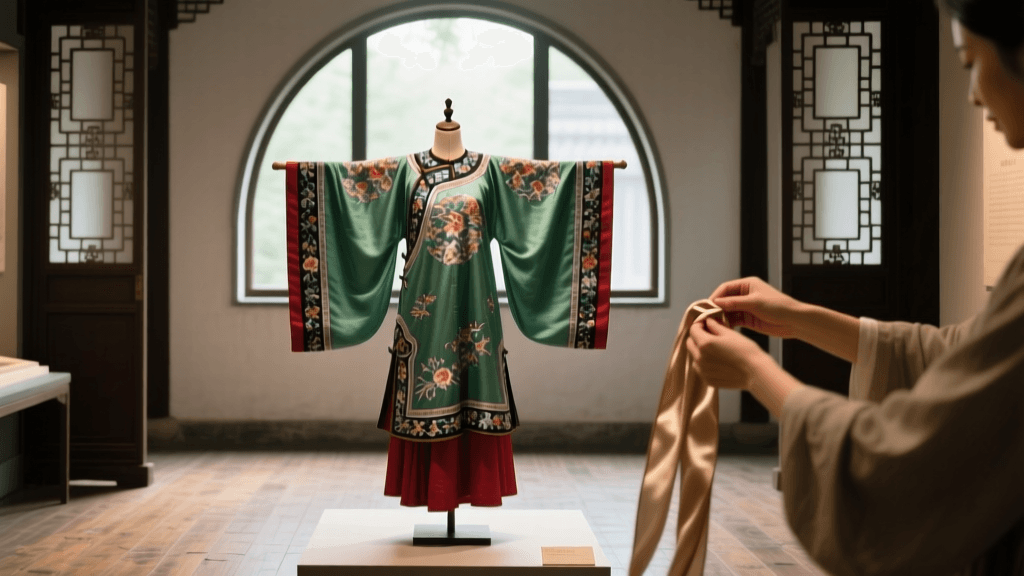
Top Kimono & Hanbok Tailoring Workshops 2026: Artisan Guide
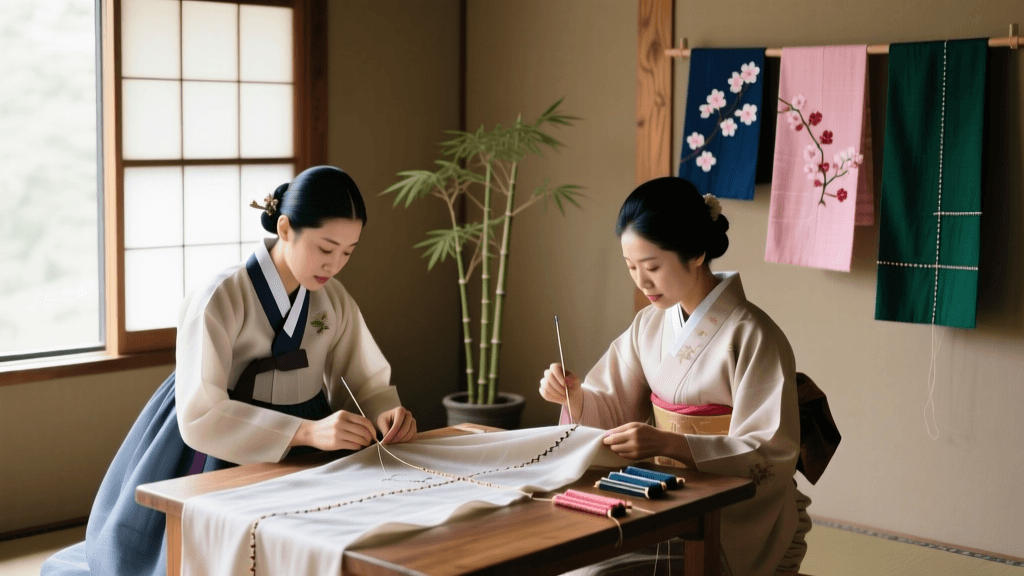
The Global Resurgence of Traditional Asian Garment Making in 2026
As the global fashion industry increasingly pivots toward sustainability and slow fashion, the ancient arts of traditional Asian garment making have experienced a massive renaissance. In 2026, learning to construct a kimono or a hanbok is no longer restricted to apprenticeships in Kyoto or Seoul. Thanks to hybrid learning models, augmented reality (AR) fitting guides, and international cultural exchange programs, textile artisans and hobbyists worldwide can now master the intricate techniques of East Asian tailoring. Whether you are interested in the mathematical precision of Japanese Wasai or the fluid, volumetric draping of Korean Hanbok, this year offers unprecedented access to master-led seminars and hands-on workshops.
This comprehensive guide explores the top workshops, essential techniques, and material sourcing strategies for learning traditional kimono and hanbok construction in 2026.
Mastering Washi: The Geometry of Kimono Tailoring
The Japanese kimono is a marvel of geometric engineering and zero-waste design. Unlike Western tailoring, which relies on curved seams and darts to contour the body, traditional kimono construction—known as Wasai—uses straight lines. The garment is created from a single bolt of fabric called a tanmono, which is cut into rectangular panels and sewn together. This method ensures that the kimono can be entirely disassembled, washed, and re-sewn, a practice that has sustained these garments for centuries.
According to the Victoria and Albert Museum's extensive research on Kimono construction, the beauty of the kimono lies not in its structural complexity, but in the surface design and the meticulous, nearly invisible hand-stitching that holds it together. In 2026, the most sought-after workshops focus heavily on kuke-nui (hidden stitching) and the proper application of the eri (collar), which requires precise tension to ensure the neckline sits elegantly against the nape.
2026 Workshop Highlight: The Hybrid Washi Immersion
This year, the Kyoto Artisan Guild launched a revolutionary hybrid seminar. Students receive a pre-cut, authentic Tango chirimen (silk crepe) kit shipped globally. Over a six-week virtual course, master tailors guide students through the shitate (sewing) process using overhead 4K cameras and AR overlays that project exact seam allowances onto the student's cutting mat. This format has democratized access to high-level Wasai education, allowing international students to achieve professional-grade finishing without relocating to Japan.
The Fluidity of Hanbok: Drafting the Chima and Jeogori
While the kimono relies on straight lines, the Korean hanbok is defined by its graceful curves and voluminous silhouettes. The traditional women's hanbok consists of the jeogori (a short, fitted jacket) and the chima (a full, high-waisted wrap skirt). The structural engineering of the hanbok is vastly different from its Japanese counterpart, requiring a deep understanding of fabric manipulation, pleating, and the iconic otgoreum (the asymmetrical front bow).
The Metropolitan Museum of Art's historical overview of Korean traditional dress highlights how the hanbok's design reflects the natural world, with the curved lines of the baerae (the bottom curve of the jeogori sleeve) mimicking the gentle slope of traditional Korean temple roofs. In 2026, hanbok workshops place a heavy emphasis on drafting the dongjeong (the crisp white paper-lined collar), which requires a specialized paste-making technique and exact folding to maintain its pristine, bright appearance against the colorful silk of the jacket.
Seoul Masterclasses: The Art of the Otgoreum
Tying the otgoreum correctly is a skill that takes years to perfect. The 2026 Seoul Traditional Craft Center seminars now offer dedicated three-day micro-courses solely focused on the physics and aesthetics of the hanbok knot. Students learn the precise tension required to create the signature asymmetrical loops, ensuring the knot sits flat against the chest while the longer tail cascades elegantly down the skirt. These seminars also cover gamchim-jil, a traditional blind-stitching technique used to hem the voluminous chima without leaving any visible thread on the exterior.
2026 Workshop Formats: In-Person vs. Hybrid Immersions
Choosing the right learning environment is crucial for mastering these complex textile arts. Below is a comparison of the primary workshop formats available to global artisans in 2026.
| Workshop Format | Average Cost (2026) | Duration | Best For | Materials Included? |
|---|---|---|---|---|
| In-Person Kyoto/Seoul Immersion | $2,500 - $4,200 | 2 - 4 Weeks | Advanced tailors, professionals, and deep-dive enthusiasts | Yes (Premium silks, traditional tools) |
| Hybrid AR-Guided Masterclass | $850 - $1,400 | 6 - 8 Weeks | Global hobbyists, slow-fashion designers, remote learners | Yes (Pre-cut kits shipped internationally) |
| Virtual Theory & Drafting Seminar | $250 - $450 | 3 - 4 Weeks | Pattern makers, fashion students, budget-conscious learners | No (Digital patterns, student sources fabric) |
| Weekend Cultural Center Micro-Course | $150 - $300 | 1 - 2 Days | Beginners, cultural enthusiasts, accessory makers | Yes (Small-scale practice fabrics) |
For those seeking certification, the in-person immersions remain the gold standard. However, the 2026 hybrid models have closed the gap significantly, offering personalized video feedback from master tailors who review your stitch tension and seam alignments via high-resolution uploads.
Essential Artisan Tools for the Modern Tailor
Attempting to sew a kimono or hanbok with standard Western sewing tools often leads to frustration and subpar results. Traditional Asian garments require specialized implements designed for delicate silks and precise folding. If you are enrolling in a 2026 workshop, ensure you have the following tools in your arsenal:
- Hera (Japanese Spatula): A smooth, flat tool traditionally made from bamboo or bone. It is used to crease fabric instead of using pins, which can leave permanent holes in delicate silk.
- Shaku (Bamboo Ruler): Traditional measurements are based on the shaku (approximately 30.3 cm). Having a specialized bamboo ruler helps in understanding the proportional geometry of the tanmono.
- Korean Chalk Wheel (Eokkkae): Used for marking the sweeping curves of the hanbok sleeve and collar without dragging or stretching the bias of the fabric.
- Silk Shears with Micro-Serrations: Standard shears will cause slippery habotai or chirimen silk to slide. Micro-serrated blades grip the fabric, ensuring perfectly straight cuts for kimono panels.
- Rice Paste (Nori): Essential for hanbok collar construction and kimono basting. Unlike synthetic glues, traditional rice paste washes out completely in cold water, leaving no residue.
Sourcing Authentic Textiles in 2026
A major component of any garment-making seminar is learning how to source authentic materials. In 2026, the supply chain for traditional Asian textiles has stabilized, but knowing exactly what to ask for is crucial.
For kimono making, students are taught to seek out Tango Chirimen, a silk crepe from the Kyoto region known for its pebbled texture and excellent drape. For the lining, Habotai or Asa (traditional ramie) are preferred for their breathability. The Korea Tourism Organization's cultural heritage portals frequently update directories of certified master weavers, making it easier for international students to purchase authentic Myeongju (a lightweight, raw silk traditionally used for summer hanbok) directly from artisans in the Andong region.
When participating in virtual drafting seminars, instructors highly recommend sourcing mid-weight linen or cotton sateen for your first toile (mock-up). These fabrics mimic the drape and weight of silk but are forgiving enough for beginners practicing the complex pleating of the hanbok chima or the panel alignment of the kimono.
Conclusion: Preserving the Thread of History
The landscape of traditional Asian garment making has evolved beautifully by 2026. By blending centuries-old techniques with modern educational technology, workshops and seminars are ensuring that the arts of Wasai and hanbok construction do not fade into obscurity. Whether you are meticulously hidden-stitching a kimono hem or carefully folding a crisp white hanbok collar, participating in these masterclasses connects you to a profound lineage of Asian textile artistry. For the modern artisan, learning these techniques is not just about creating clothing; it is about preserving a wearable, breathing history.