2026 Kyoto Wasai Kimono Tailoring Workshops Guide
The Renaissance of Wasai: Why 2026 is the Year to Learn
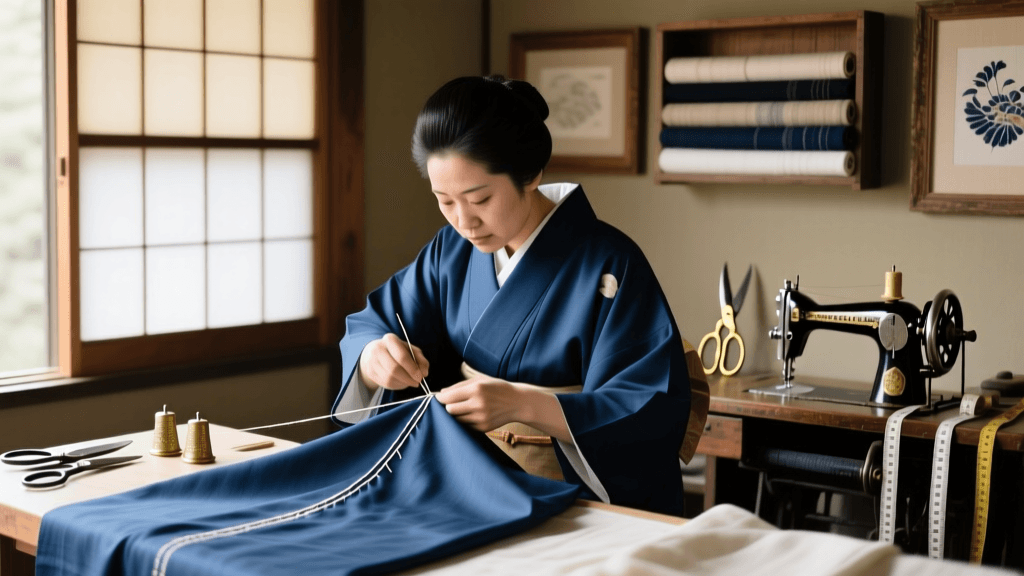
In 2026, the global fashion industry is experiencing a massive paradigm shift toward zero-waste design and sustainable construction methods. At the very heart of this movement is Wasai, the traditional Japanese art of kimono tailoring. Unlike Western garment construction, which relies heavily on curved seams and fabric waste, Wasai utilizes a brilliant system of straight-line sewing known as chokusen-dachi. For textile enthusiasts, fashion students, and cultural preservationists, traveling to Kyoto to attend a Wasai workshop has become a premier educational pursuit. This comprehensive guide explores the top kimono tailoring seminars available in Kyoto for 2026, the essential tools you will need, and what to expect from these immersive cultural experiences.
Understanding the Art of Chokusen-Dachi
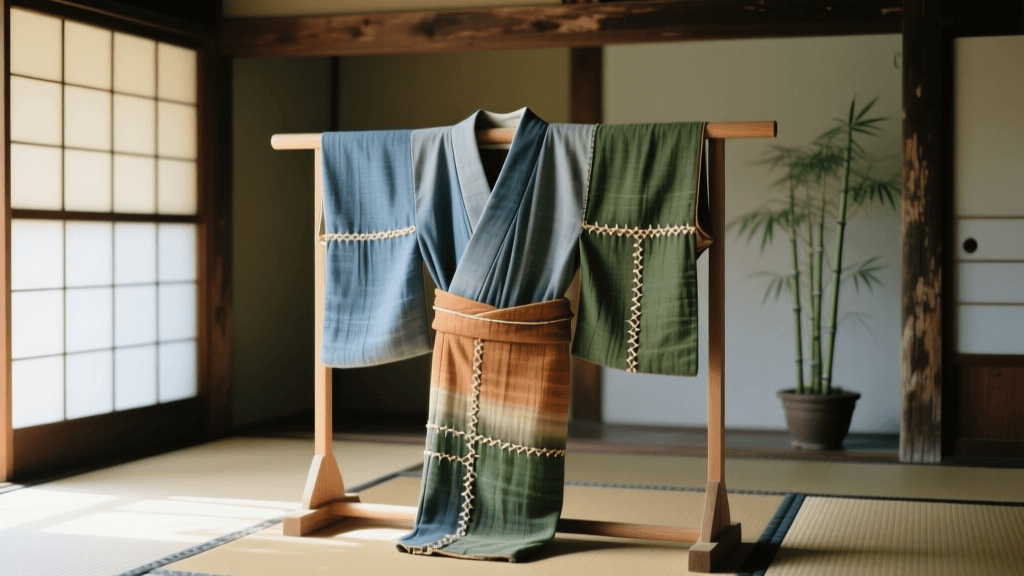
Before diving into specific workshops, it is crucial to understand the foundational philosophy of Wasai. A traditional kimono is constructed from a single bolt of fabric called a tanmono, which typically measures about 36 centimeters in width and 12 meters in length. The brilliance of this system is that the entire bolt is used without discarding any scraps. The garment is cut into straight rectangular panels—two body panels, two sleeve panels, and smaller strips for the collar and overlapping front edges.
Because the seams are entirely straight, the kimono can be easily disassembled, washed, re-dyed, and sewn back together. This modularity is a masterclass in sustainable fashion. In 2026, seminars are heavily emphasizing these eco-friendly aspects, attracting international designers who want to apply zero-waste pattern drafting to modern apparel. According to the official Kogei Japan database, the preservation of these intricate hand-sewing techniques is currently receiving renewed government support, making it an ideal time for international students to study under master artisans.
Top 3 Kyoto Wasai Workshops and Seminars for 2026
Kyoto remains the undisputed epicenter of Japanese textile arts. Below are the most highly rated Wasai workshops and masterclasses operating in the city this year, catering to various skill levels and schedules.
1. Kyoto Kimono Tailoring Academy (KKTA) – Intensive Weekend Seminar
The KKTA offers a highly structured, English-friendly weekend intensive designed specifically for international visitors and busy professionals. The 2026 curriculum focuses on the construction of a yukata (casual summer cotton kimono) from start to finish. Over the course of 16 hours, students learn how to measure the body, mark the fabric using traditional shaku (rulers), and execute the foundational hon-geshi (double-fold) seam. The tuition for 2026 is 85,000 JPY (approximately $580 USD), which includes all cotton fabric, thread, and the use of studio tools. This seminar is perfect for beginners who want a complete, tangible takeaway without committing to a multi-month course.
2. Nishijin Textile Center – Artisan Silk Handling Masterclass
For those who already possess basic sewing skills and wish to work with luxury textiles, the seminars hosted near the historic Nishijin weaving district are unparalleled. The Nishijin Textile Center and its affiliated artisan studios offer a specialized 3-day masterclass focusing exclusively on silk chirimen (crepe) and rinzu (satin damask). Silk requires specialized handling, specific needle types, and meticulous tension control. Students in this 2026 masterclass learn the art of yu-noshi (steam stretching) to prepare the silk before cutting. Priced at 150,000 JPY ($1,020 USD), this seminar is aimed at intermediate tailors and fashion designers looking to elevate their fabric manipulation skills.
3. Shokokuji Temple Adjacent Studio – Zen & Sewing Retreat
Blending mindfulness with meticulous craftsmanship, this boutique studio offers a 5-day immersive retreat. The 2026 schedule integrates morning Zen meditation at the nearby Shokokuji Temple with afternoon Wasai instruction. The focus here is on the meditative rhythm of hand-stitching, specifically the kugarinui (blind stitch) used for hems and collars so that no thread is visible on the exterior. This retreat costs 220,000 JPY ($1,500 USD) and includes traditional vegetarian shojin ryori lunches. It is highly sought after by textile therapists and slow-fashion advocates.
Essential Wasai Toolkit: 2026 Pricing and Sourcing
While most Kyoto workshops provide tools for use during the seminar, serious students often wish to purchase their own authentic wasai boko (tailoring tools) to continue their practice at home. Below is a comparison chart of essential tools, their primary uses, and their average retail costs in Kyoto craft shops as of 2026.
| Tool Name | Japanese Term | Primary Use | 2026 Average Cost (USD) |
|---|---|---|---|
| Traditional Needle | Wasai Hari | Long, flexible needles for straight seams | $12 - $18 |
| Brass Iron | Kote | Seam pressing and fabric manipulation | $85 - $140 |
| Bamboo Ruler | Take-jaku | Measuring and marking straight lines | $25 - $40 |
| Silk Thread | Kinu-ito | Hand-sewing delicate silk panels | $8 per spool |
| Thimble Ring | Yubinuki | Protecting the finger while pushing needles | $15 - $30 |
When purchasing a kote (iron), it is important to note that modern 2026 versions often come with adjustable digital temperature controls, whereas traditionalists may prefer the classic charcoal-heated or fixed-temperature brass models. The yubinuki (thimble) is uniquely worn on the middle finger in Japanese tailoring, unlike the Western cap-style thimble worn on the index finger, allowing for a different leverage technique when pulling the long Wasai needles through multiple layers of fabric.
What to Expect in a 40-Hour Certification Seminar
For those looking to move beyond weekend workshops, several Kyoto institutions offer a comprehensive 40-hour certification seminar spread over two weeks. If you enroll in a full certification track in 2026, your curriculum will generally follow this structured progression:
- Days 1-3: Fabric Preparation and Marking. Learning to inspect the tanmono for flaws, aligning the grain, and using the take-jaku and hera (bamboo spatula) to mark cut lines without ink.
- Days 4-6: The Sleeve and Body Panels. Executing the sode-guchi (sleeve opening) and attaching the sleeves to the main body with precise tension control to ensure the garment hangs correctly.
- Days 7-9: The Collar (Eri). The most complex part of Wasai. Students learn to attach the tomoe-eri (standard collar) using hidden stitches, ensuring the neckline sits perfectly against the nape of the neck.
- Days 10-12: Hemming and Final Pressing. Mastering the invisible kugarinui stitch for the hem and learning the proper sequence of pressing seams to create the iconic flat, tubular silhouette of the kimono.
- Days 13-14: Kitsuke (Dressing) Basics. A tailored garment must be understood in motion. The final days cover how to properly fold, store, and dress in the kimono you have just constructed.
Practical Advice for International Artisans in 2026
Traveling to Japan for educational purposes requires some logistical planning. As of 2026, the Japanese government has streamlined the process for short-term cultural study. According to the Japan National Tourism Organization, visitors from over 70 countries can engage in short-term, non-remunerated workshops and seminars under the standard Temporary Visitor visa status, which allows stays of up to 90 days. You do not need a specialized student visa for a two-week Wasai masterclass.
However, language can be a barrier in highly technical artisan studios. While institutions like the KKTA provide English-speaking instructors or live translation devices, smaller neighborhood studios in the Nishijin district may only offer instruction in Japanese. It is highly recommended to learn basic tailoring vocabulary—such as nuu (to sew), kiru (to cut), and iru (to iron)—before arriving. Additionally, booking accommodations in the Kamigyo or Nakagyo wards will place you within walking or short cycling distance of the major textile centers, allowing you to fully immerse yourself in the historic weaving district's atmosphere.
Conclusion
Learning Wasai in Kyoto is more than just acquiring a sewing skill; it is an initiation into a centuries-old philosophy of respect for materials, zero-waste living, and meticulous craftsmanship. Whether you opt for a brief weekend yukata seminar or an intensive silk-handling masterclass, the 2026 workshop landscape in Kyoto offers unparalleled access to master artisans. By investing your time in these traditional Asian garment-making techniques, you not only preserve a vital cultural heritage but also equip yourself with sustainable design principles that are shaping the future of global fashion.