The Rise of Sustainable Kimono: Ethical Silk and Natural Dyes
The Hidden Cost of the Modern Kimono
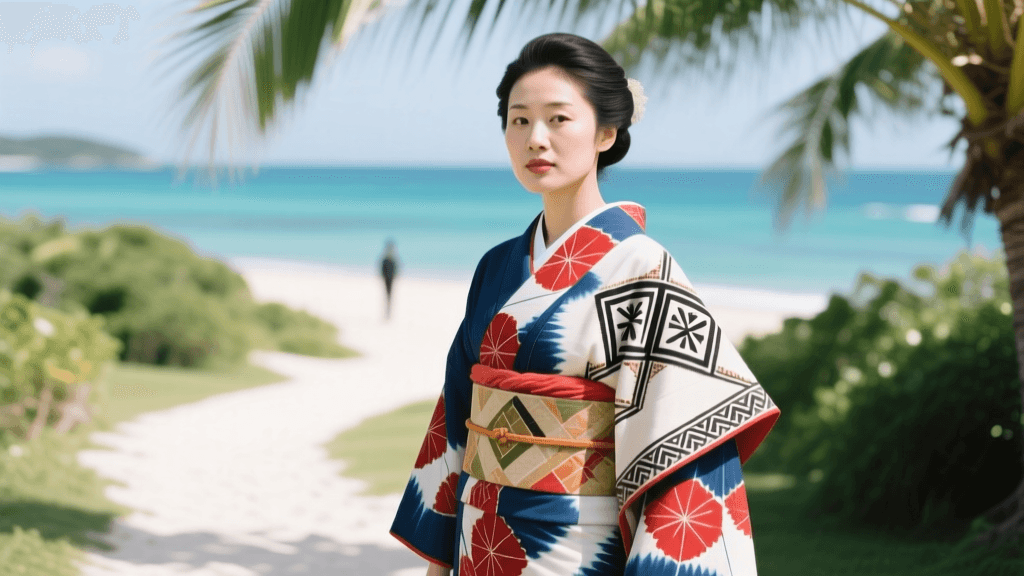
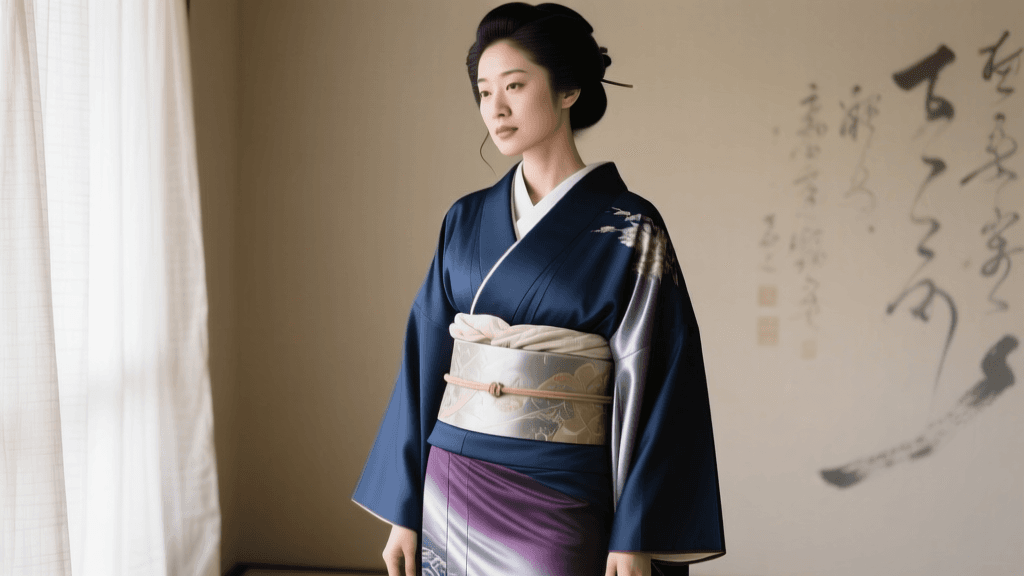
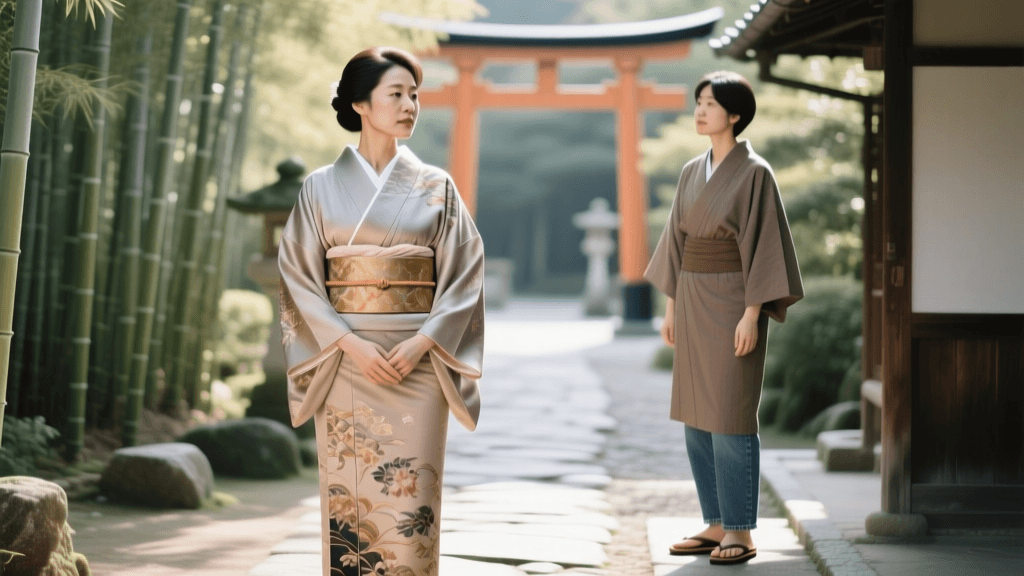
The kimono is universally recognized as a masterpiece of Japanese culture, a garment that drapes the wearer in centuries of history, artistry, and meticulous craftsmanship. However, beneath the vibrant silks and intricate weaves of mass-produced modern kimonos lies a less glamorous reality. The global demand for affordable traditional garments has led to the rise of synthetic fabrics, toxic chemical dyes, and exploitative labor practices in overseas manufacturing hubs. As global consumers become more eco-conscious, a powerful movement is emerging within Japan's textile industry: the push for sustainable and ethical kimono production.
From the revival of ancient natural dyeing techniques to the ethical treatment of silkworms and the upcycling of vintage textiles, artisans and modern designers are redefining what it means to wear traditional Japanese clothing. For the conscious consumer, building a sustainable kimono wardrobe is not just an environmental choice; it is a way to actively preserve endangered Japanese craftsmanship. According to the Ministry of Economy, Trade and Industry (METI), supporting designated traditional crafts is essential to keeping regional artisan communities alive in an era of fast fashion.
Ethical Sericulture and the Shift to Peace Silk
Traditional mulberry silk production is inherently lethal to the silkworm. To harvest the continuous filament required for high-quality silk weaving, the cocoons are boiled with the pupae still inside. While this yields the lustrous, unbroken threads prized in Nishijin weaving, it raises significant ethical concerns for modern consumers.
In response, a niche but growing sector of Japanese sericulture is adopting Ahimsa silk, also known as Peace Silk. In this ethical farming method, the silkworm is allowed to mature into a moth and naturally break out of its cocoon. Because the emerging moth breaks the continuous silk filament, the resulting threads must be spun rather than reeled, giving the fabric a slightly textured, matte finish similar to raw silk or tussah. While Ahimsa silk is more labor-intensive and yields a fabric that is less uniformly glossy than conventional silk, it offers a cruelty-free alternative that aligns with the Buddhist and Shinto principles of respecting all living beings.
Furthermore, sustainable silk farms in prefectures like Gunma and Nagano are returning to organic mulberry cultivation, eliminating the use of synthetic pesticides that degrade local soil and water tables. When shopping for ethical silk, look for transparency regarding the farm's origin and sericulture methods, as third-party cruelty-free certifications for silk are still in their infancy.
The Renaissance of Natural Dyes: Ai-zome and Shibori
Perhaps the most visible pillar of sustainable kimono production is the rejection of heavy-metal-laden synthetic dyes in favor of traditional, plant-based alternatives. The most famous of these is Ai-zome (Japanese indigo). Cultivated primarily in Tokushima Prefecture, the indigo plant (Persicaria tinctoria) undergoes a meticulous fermentation process to create sukumo, the dried leaf compost used as the dye base.
Natural indigo dyeing is a zero-waste, biodegradable process. The fermented dye vats are maintained using natural ash lye, sake, and wheat bran, and the leftover plant matter is composted or used as agricultural fertilizer. Beyond its environmental benefits, Ai-zome is prized for its functional properties: it is naturally antibacterial, odor-resistant, and provides mild UV protection, making it historically popular for samurai undergarments and modern sustainable base layers.
Other botanical dyes making a comeback include murasaki (gromwell root for deep purples), benibana (safflower for vibrant reds and pinks), and kurumi (walnut husks for earthy browns). These dyes require a deep understanding of mordants (substances used to set dyes), with ethical artisans using natural alum or iron-rich mud rather than toxic chemical fixatives.
Comparison: Synthetic vs. Natural Botanical Dyes
| Feature | Synthetic Chemical Dyes | Natural Botanical Dyes (Ai-zome, Benibana) |
|---|---|---|
| Environmental Impact | High (toxic runoff, microplastics) | Low (biodegradable, zero toxic runoff) |
| Skin Sensitivity | Can cause contact dermatitis | Hypoallergenic, naturally antibacterial |
| Color Fastness | Highly resistant to fading | Evolves over time, fades gracefully with wear |
| Cost of Production | Low, easily mass-produced | High, requires skilled artisan labor |
| End of Life | Persists in landfills | Fully compostable if paired with natural fibers |
Rimeiku: The Art of Upcycling Vintage Silk
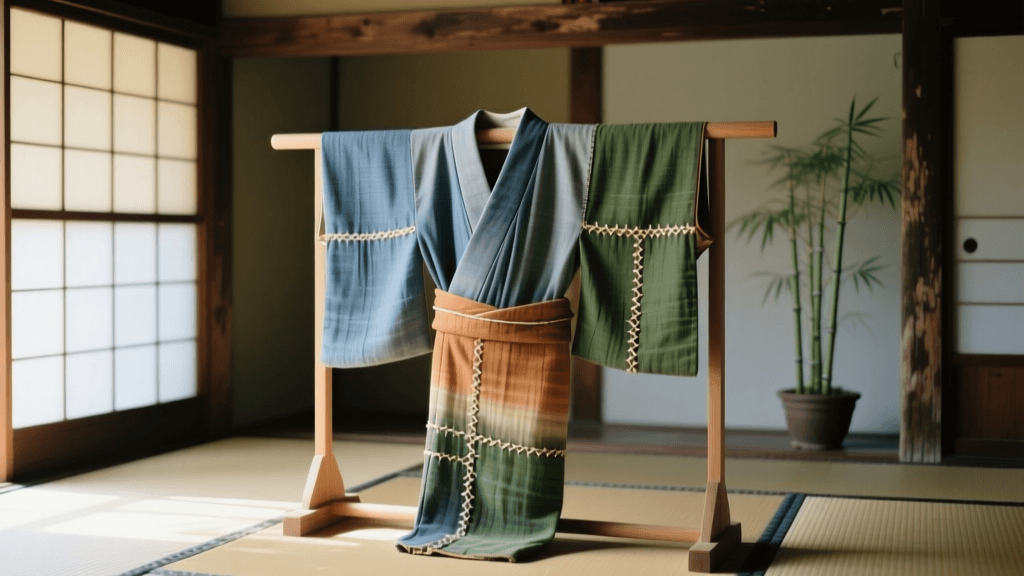
The Japanese concept of mottainai (a sense of regret concerning waste) is the driving force behind Rimeiku (remake) culture. Japan possesses a massive surplus of vintage, unworn, or slightly damaged silk kimonos from the Showa and Taisho eras. Rather than letting these exquisite textiles languish in storage, sustainable designers are deconstructing them to create modern garments.
Because a standard kimono is constructed from a single bolt of fabric (tanmono) measuring approximately 11.5 meters in length and 36 centimeters in width, it is inherently designed to be taken apart, washed, and resewn. This modular construction makes the kimono one of the most sustainable garments in human history. Modern Rimeiku artisans transform vintage silks into contemporary haori jackets, wide-leg trousers, tote bags, and even western-style dresses.
For those interested in the historical context of these vintage textiles, the Kyoto Costume Institute Digital Archives offers an incredible resource for studying the evolution of Japanese textile patterns, helping buyers identify the era and regional origins of their upcycled pieces.
Actionable Guide: Building an Ethical Kimono Wardrobe
Transitioning to a sustainable kimono wardrobe requires a shift in how we value and purchase traditional garments. Here is a practical breakdown of costs and steps to ensure your purchases support ethical production.
1. Sourcing Vintage and Upcycled Pieces
- Where to buy: Look for specialized Rimeiku boutiques in Tokyo's Shimokitazawa or Kyoto's antique markets (like the Toji Temple flea market). Online platforms like Etsy also feature verified Japanese upcyclers.
- Cost Expectation: A vintage, second-hand silk kimono in good condition typically ranges from ¥3,000 to ¥15,000 ($20 - $100 USD). Custom Rimeiku tailoring (e.g., converting a kimono into a modern wrap dress) will add ¥25,000 to ¥50,000 ($170 - $340 USD) in artisanal labor costs.
2. Investing in New, Ethically Made Garments
- What to look for: Seek out the official METI Traditional Craft Product mark, which guarantees the item was made by certified artisans in specific Japanese regions using traditional, time-honored methods.
- Cost Expectation: A brand new, hand-woven, naturally dyed kimono from a cooperative like the Nishijin Weavers Association or a Tokushima indigo studio will cost between ¥300,000 and ¥1,500,000+ ($2,000 - $10,000+ USD). While expensive, this directly funds living wages for master weavers and dyers.
3. Verifying Supply Chain Ethics
As highlighted by global advocacy groups like Fashion Revolution, transparency is the cornerstone of ethical fashion. When buying from modern kimono brands, check their 'About' pages for information on their weavers, dyers, and silk sourcing. Brands that proudly name their artisan cooperatives and detail their natural dyeing processes are generally committed to ethical labor practices.
Caring for Naturally Dyed and Vintage Silks
Sustainable garments require sustainable care. Natural dyes and vintage silks are more delicate than their synthetic counterparts, and improper cleaning can ruin both the fabric and the environment (through the release of micro-shedding or harsh chemical soaps into the water system).
- Washing: Never use alkaline detergents or citrus-based stain removers on Ai-zome or botanical dyes, as they will strip the color. Use a neutral pH, eco-friendly liquid soap specifically designed for delicates.
- Drying: UV light is the enemy of natural dyes. Always dry your kimono or haori in the shade, away from direct sunlight, to prevent uneven fading.
- Storage: Store vintage silks in breathable cotton covers (tatou-shi). Avoid plastic garment bags, which trap moisture and encourage mold growth on natural fibers.
"To wear a naturally dyed, ethically sourced kimono is to wear the landscape of Japan itself. The indigo reflects the rivers of Tokushima, the silk honors the mulberry groves of Gunma, and the weave carries the heartbeat of the artisan."
Conclusion
The sustainable kimono movement is not about rejecting modernity; it is about harmonizing ancient wisdom with contemporary ecological awareness. By choosing Peace Silk, supporting natural botanical dyeing, and embracing the circular economy of Rimeiku upcycling, consumers can ensure that the kimono remains a living, breathing tradition rather than a relic of a bygone era. Every ethical purchase is a direct investment in the preservation of Japan's natural environment and its irreplaceable artisan communities.