Top Wasai Kimono Sewing Workshops 2026: Kyoto & Online Guides
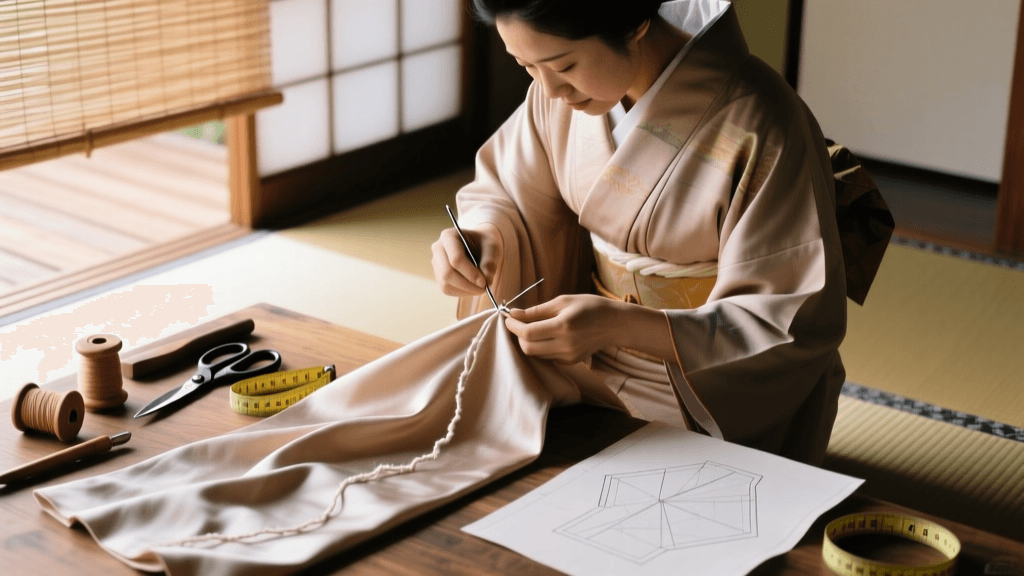
The 2026 Resurgence of Wasai (Traditional Japanese Sewing)
In 2026, the global slow-fashion and sustainable textile movements have catalyzed a massive resurgence in traditional garment construction. Among the most sought-after skills is Wasai, the traditional Japanese method of sewing wafuku (Japanese garments). Unlike Western tailoring (Yosai), which relies on complex curved patterns, darts, and permanent fabric cutting, Wasai is an exercise in geometric precision, fabric preservation, and mindful craftsmanship. For enthusiasts looking to master this art, enrolling in a dedicated workshop or seminar is the most effective path. This comprehensive guide explores the top Wasai kimono sewing workshops in Kyoto and the best online masterclasses available for the 2026 academic year.
Why Wasai? The Philosophy of Uncut Fabric
Before selecting a seminar, it is vital to understand the core philosophy of Wasai. A traditional kimono is constructed from a single bolt of fabric (a tanmono), measuring approximately 36 centimeters wide and 12 meters long. The fabric is cut into straight rectangular panels and sewn together using running stitches. Crucially, the fabric is never permanently altered or discarded; if the garment needs to be washed, resized, or passed down to a taller family member, it can be entirely unpicked, re-dyed, and resewn. The Victoria and Albert Museum notes that the kimono's T-shaped, straight-line construction is not merely an aesthetic choice, but a profound reflection of Japanese material culture and zero-waste philosophy. Mastering this technique requires specialized instruction that standard fashion design schools simply do not offer.
Top In-Person Wasai Seminars in Kyoto (2026 Intakes)
Kyoto remains the undisputed heart of Japanese textile arts. For the 2026 season, several prestigious academies in the Nishijin and Higashiyama districts are offering intensive seminars tailored for both domestic and international students.
1. The Nishijin Wasai Intensive Certification
Located steps away from the historic Nishijin Textile Center, this 12-week intensive seminar is designed for serious students. The 2026 curriculum focuses heavily on the construction of a Hitoe (an unlined summer kimono) and a Juban (undergarment). Classes are held twice a week, with bilingual (Japanese/English) assistants available to help translate complex terminology like kise (the technique of hiding the seam allowance to create a soft fold). Tuition for the 2026 spring intake is ¥240,000, which includes all basic notions and access to the academy's specialized pressing room.
2. Higashiyama Heritage Sewing Retreats
For those seeking a more immersive, short-term experience, the Higashiyama Heritage Retreats offer two-week immersive seminars in the summer of 2026. These retreats combine morning Wasai sewing sessions with afternoon cultural excursions to local Shibori dyeing studios and silk weavers. The cost is ¥185,000, excluding accommodation. This seminar is highly competitive and requires applicants to submit a basic hand-sewing portfolio by March 2026.
Premier Online Wasai Masterclasses for Global Students
If traveling to Japan is not feasible, 2026 has seen a dramatic improvement in the quality of virtual Wasai education. High-definition multi-camera setups and digital pattern libraries now allow global students to learn directly from Kyoto-based Sensei (masters).
Wasai Global Virtual Academy
The Wasai Global Virtual Academy offers a fully asynchronous, 40-hour masterclass dedicated to sewing a lined kimono (Awase). The 2026 updated course modules include 4K macro-videos of complex stitches, such as the hon-nui (main sewing stitch) and the matte-nui (blind stitch). Students receive a physical toolkit shipped internationally upon enrollment. The tuition is $550 USD, making it a highly accessible option for international hobbyists.
Live Zoom Seminars with Independent Artisans
Several independent, third-generation kimono sewists have begun offering private, live Zoom seminars in 2026. These 10-week courses cost approximately $800 USD and feature real-time critique. Students mail their basted panels to the instructor in Japan for physical inspection before proceeding to the final sewing stages, ensuring that the tension and stitch length meet traditional standards.
Essential 2026 Toolkit for the Beginner Wasai Student
Wasai requires a highly specific set of tools. Western sewing kits are inadequate for handling delicate silks and executing traditional Japanese stitches. Below is the essential toolkit you will need to acquire before starting your 2026 seminar.
| Tool Name | Purpose | 2026 Average Cost | Where to Source |
|---|---|---|---|
| Machi-bari (Silk Pins) | Extra-fine pins for basting delicate silk without snagging. | ¥950 / $8 USD | Specialized Japanese haberdasheries |
| Kote (Traditional Iron) | Heavy, flat iron used for pressing seams open; 2026 models feature digital thermostats. | ¥16,000 / $130 USD | Kyoto textile supply shops |
| Shaku (Bamboo Ruler) | Traditional measuring stick, marked in the shaku and sun measurement system. | ¥3,200 / $25 USD | Nishijin district retailers |
| Aote (Thimble) | A metal ring worn on the middle finger to push the needle through thick silk layers. | ¥1,500 / $12 USD | Online Wasai suppliers |
| Shitsuke-ito (Basting Thread) | Thick, loosely twisted cotton thread used for temporary basting; designed to break easily when removed. | ¥600 / $5 USD | Any traditional sewing supplier |
Step-by-Step: Constructing Your First Hitoe (Unlined Kimono)
Whether you are studying in Kyoto or online, your first major project will likely be a Hitoe. The process is deeply methodical and requires immense patience.
- Preparation and Marking: The 12-meter tanmono is unrolled and marked using a specialized water-soluble ink. Precision here is paramount; a millimeter off in the marking phase will result in asymmetrical hems later.
- Cutting: Using long, specialized shears, the fabric is cut into the back panels (mi-goro), front panels, sleeves (sode), and the collar (eri).
- Basting (Shitsuke): Before any permanent sewing begins, the panels are pinned and basted together. This stage can take up to 10 hours for a beginner.
- Main Sewing (Hon-nui): Using the hon-nui running stitch, the seams are sewn. The stitch length must be perfectly consistent, typically 3 millimeters per stitch, to ensure the garment drapes correctly.
- Finishing and Pressing: The seams are pressed using the Kote iron, and the hem is finished with a blind stitch. The basting threads are then carefully removed.
In-Person vs. Online: Which Seminar Format Fits You?
Choosing between a Kyoto-based seminar and an online masterclass depends on your budget, schedule, and learning style. The table below compares the two primary formats available in 2026.
| Feature | Kyoto In-Person Seminar | Online Virtual Masterclass |
|---|---|---|
| Average Tuition | ¥185,000 - ¥240,000 | $450 - $800 USD |
| Duration | 2 weeks to 3 months | Self-paced or 10 weeks |
| Instructor Feedback | Immediate, hands-on physical correction | Video submission critique or live Zoom |
| Material Sourcing | Direct access to Nishijin silk markets | Shipped kits or digital sourcing guides |
| Community | Immersive local artisan networking | Global Discord/Slack student communities |
Sourcing Authentic Textiles in 2026
A kimono is only as beautiful as the textile it is crafted from. According to the Ministry of Economy, Trade and Industry (METI), the preservation of traditional crafts like Nishijin-ori (brocade weaving) and Yuzen dyeing is heavily supported by government initiatives, ensuring that high-quality materials remain available for new generations of sewists. If you are attending a seminar in Kyoto, you will likely visit the Nishijin Textile Center or local wholesale shops along Teramachi Street to purchase your tanmono. For online students, several reputable Japanese exporters now ship authentic, pre-washed silk bolts globally, complete with English-language care instructions and digital weaving certificates.
Final Thoughts on Your Sartorial Journey
Learning Wasai in 2026 is more than just acquiring a sewing skill; it is an entry into a centuries-old dialogue between the artisan and the material. The straight lines of the kimono demand a perfectionist's eye and a meditator's patience. Whether you choose to sit on the tatami mats of a Kyoto atelier or join a virtual cohort from your home studio, the investment in a structured workshop is essential. The nuances of silk tension, the specific geometry of the sleeve attachment, and the art of the invisible hem are best learned under the watchful eye of a master. Prepare your toolkit, select your silk, and embrace the profound satisfaction of crafting a garment that can outlive generations.