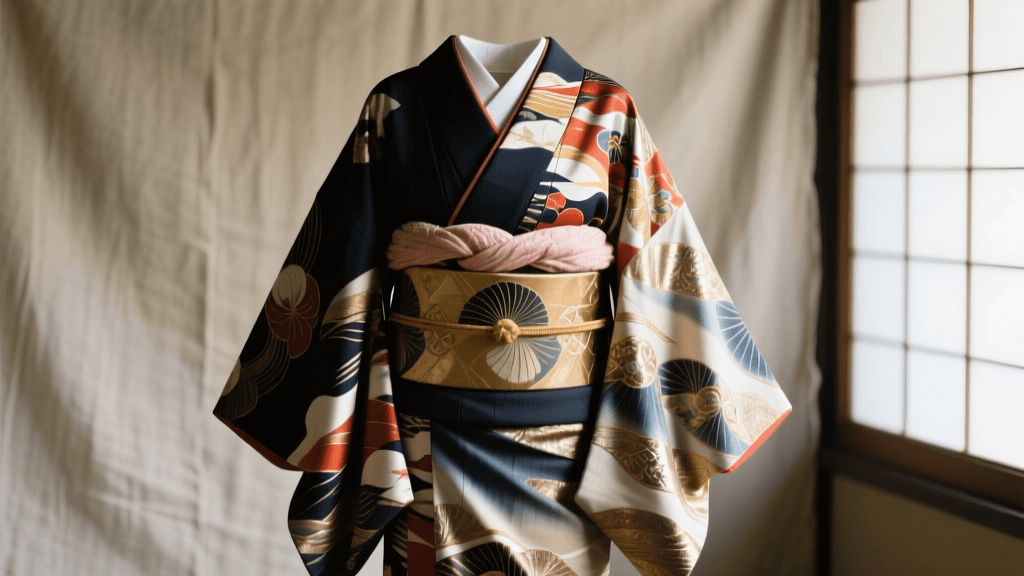
Best Kyoto Wasai Kimono Sewing Workshops & Retreats 2026

The Renaissance of Wasai in 2026
In recent years, the global appreciation for sustainable, zero-waste fashion has propelled traditional Asian garment-making techniques into the spotlight. As we navigate 2026, the ancient Japanese art of Wasai (traditional kimono sewing) is experiencing a profound renaissance. Unlike Western tailoring, which relies on curved seams and fabric waste, Wasai utilizes straight-line construction from a single bolt of cloth known as a tanmono. For textile enthusiasts, fashion students, and heritage artisans, attending a dedicated Wasai workshop or seminar is no longer just a niche hobby—it is a vital pursuit of sustainable craftsmanship. Whether you are planning an immersive retreat to Kyoto or enrolling in a cutting-edge hybrid virtual seminar, this comprehensive guide will help you master the art of kimono construction in 2026.
Understanding the Art of Wasai
Before selecting a workshop, it is crucial to understand the foundational philosophy of Wasai. The kimono is essentially a T-shaped robe constructed from rectangular panels. According to the Victoria and Albert Museum's extensive archives on the kimono, the garment's genius lies in its modularity and lack of waste. Every inch of the tanmono (typically 36 centimeters wide and 11.5 meters long) is utilized.
In a 2026 Wasai seminar, you will not learn to draft complex curved patterns. Instead, you will master the kise (folding technique) that hides raw edges without bulky overlocking, and the precise tension control required for hand-sewing silk. The stitches—such as the hon-geshi (main seam) and chikara-nui (reinforcement stitch)—are designed to be unpicked, allowing the garment to be washed flat, re-dyed, and passed down through generations. This circular lifecycle is a major reason why modern eco-conscious designers are flocking to Wasai seminars this year.
Top In-Person Wasai Retreats in Kyoto for 2026
Kyoto remains the undisputed heart of Japanese textile arts. For those seeking hands-on, tactile learning, the city offers several premier workshop formats in 2026.
1. The Fureaikan Traditional Craft Weekend Seminars
The Kyoto Museum of Traditional Crafts, affectionately known as Fureaikan, continues to host its highly sought-after weekend seminars. In 2026, their "Introduction to Hand-Sewn Yukata" intensive is perfect for beginners. Spanning three days, this seminar costs approximately ¥85,000 (around $580 USD) and includes all materials. You will learn to measure your body using the traditional shaku system, cut the cotton tanmono, and execute the foundational running stitches. The intimate class sizes, capped at eight students, ensure that master artisans can correct your posture and needle grip in real-time.
2. Private Atelier Immersion: The Nishijin Weaving & Sewing Residency
For advanced practitioners, private ateliers in the Nishijin district offer month-long residencies. These 2026 programs are rigorous, requiring prior sewing experience. Participants spend four weeks deconstructing vintage silk kimonos, learning the intricate art of kakeshi (invisible mending), and constructing a formal haori jacket from scratch. Tuition for these elite retreats averages ¥450,000, reflecting the one-on-one mentorship with third-generation wasai-shi (kimono tailors).
The Rise of Virtual and Hybrid Masterclasses
If traveling to Japan is not feasible, 2026 has brought remarkable advancements in virtual garment-making seminars. Leveraging augmented reality (AR) and high-definition multi-angle streaming, online Wasai masterclasses have bridged the geographical divide.
Platforms like the Global Heritage Craft Network now offer "Hybrid Wasai Certifications." Students receive a physical tanmono and toolkit shipped to their doorstep, while attending live seminars via VR headsets or 4K monitors. Instructors use digital overlays to demonstrate thread tension and stitch length. Furthermore, AI-powered measuring apps introduced in late 2025 now allow students to scan their bodies via smartphone, automatically converting their measurements into the traditional Japanese shaku and sun units required for kimono drafting.
In-Person vs. Virtual Wasai Workshops: 2026 Comparison
To help you decide which learning path suits your lifestyle and budget, we have broken down the core differences between in-person Kyoto retreats and virtual masterclasses.
| Feature | In-Person Kyoto Retreat | Virtual/Hybrid Masterclass |
|---|---|---|
| Average Cost (2026) | ¥85,000 - ¥450,000 | $250 - $800 USD |
| Duration | 3 Days to 4 Weeks | 6 to 12 Weeks (Self-Paced) |
| Material Sourcing | Provided by Atelier | Shipped Globally in Kit |
| Feedback Style | Physical Correction & Tactile | AR Overlay & Video Review |
| Best For | Advanced Tailors & Purists | Beginners & Global Designers |
Your 2026 Wasai Toolkit: What to Buy
Whether you are attending a seminar in Kyoto or learning from your living room, you will need a specialized toolkit. The Metropolitan Museum of Art highlights the historical continuity of Japanese tailoring tools, many of which remain unchanged in their modern 2026 iterations.
- Kote (Traditional Iron): Unlike Western steam irons, the kote is a specialized tool used to press seams flat and create the kise fold. Modern 2026 electric kote feature precise digital temperature controls for delicate silks like chirimen and rinzu, preventing scorch marks on expensive textiles.
- Kakehari (Tension Tool): A wooden frame with a needle at one end and a hook at the other. It is clamped to the fabric to maintain tension while hand-sewing, ensuring perfectly uniform stitches without the need for pins.
- Hera (Spatula): A bamboo or bone spatula used to mark fabric by rubbing, rather than using chalk or ink which could stain expensive silk. The friction leaves a temporary, precise guide line.
- Chakudai (Long Ruler): A specialized wooden ruler marked in the shaku system (1 shaku = approx. 37.9 cm). Essential for translating traditional pattern instructions into physical cuts.
Sourcing Authentic Textiles Post-2025
A critical component of any Wasai workshop is the fabric. In 2026, the supply chain for authentic Tango chirimen (silk crepe from the Tango Peninsula) has stabilized, though prices have risen by 12% due to the shrinking number of traditional weavers. Workshop participants are increasingly turning to sustainable, lab-grown silk alternatives and high-grade cupro blends that mimic the drape and weight of traditional silk. This allows students to practice complex sewing techniques without the financial anxiety of cutting into a ¥300,000 bolt of hand-woven silk during their initial learning phases.
Final Thoughts
Learning the art of Wasai is a meditation in patience, precision, and respect for materials. Whether you choose the immersive, incense-scented ateliers of Kyoto or a technologically advanced virtual seminar, the skills you acquire in 2026 will connect you to centuries of Asian sartorial heritage. By mastering these traditional techniques, you are not just making a garment; you are preserving a sustainable philosophy for the future of global fashion.