Saenghwal Hanbok vs Ceremonial Hwarot: 2026 Style Guide
The Duality of Korean Dress in 2026
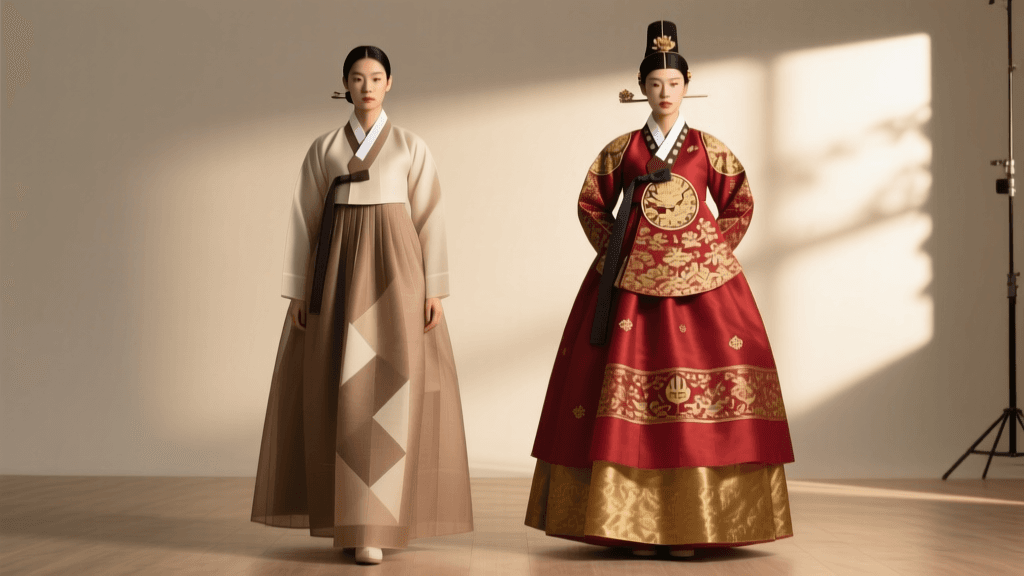
The landscape of Asian traditional fashion in 2026 is defined by a fascinating duality: the meticulous preservation of opulent, historically accurate ceremonial wear and the rapid evolution of practical, everyday adaptations. Nowhere is this contrast more striking than in the Korean Hanbok. As global interest in Asian heritage garments continues to surge this year, consumers, designers, and cultural historians are drawing a distinct line between the breathtaking, heavily embroidered ceremonial Hwarot and the streamlined, highly functional Saenghwal Hanbok.
Understanding the nuances between these two categories is essential for anyone looking to invest in, wear, or study Korean traditional dress today. Whether you are a bride planning a traditional Pyebaek ceremony or a professional seeking to integrate heritage fashion into your daily wardrobe, this comprehensive guide explores the construction, cultural significance, 2026 market pricing, and modern styling of both garment types.
The Ceremonial Hwarot: Royal Heritage for Modern Brides
The Hwarot (활옷) is the pinnacle of Korean ceremonial dress, historically reserved for royalty and later adopted as the ultimate bridal garment for the traditional wedding ceremony and the Pyebaek (post-wedding family greeting). In 2026, the Hwarot remains a symbol of immense cultural pride, characterized by its voluminous silhouette, vibrant color blocking, and masterful embroidery.
Construction and Embroidery
Unlike everyday garments, the Hwarot is constructed from heavy, high-grade silk and features wide, flowing sleeves with contrasting color cuffs—typically blue, red, and yellow. The back and sleeves are heavily embroidered with auspicious motifs. In 2026, bespoke artisans in Seoul and Jeonju continue to hand-stitch these motifs, which include peonies (symbolizing wealth and honor), butterflies (representing marital bliss), and white cranes (denoting longevity). The sheer weight of the embroidery and the dense silk brocade can make a fully authentic Hwarot weigh upwards of 4 to 6 kilograms.
For those studying the historical roots of these heavy ceremonial textiles, the Metropolitan Museum of Art's Asian Art collection provides invaluable digital archives and physical exhibits that showcase the evolution of Korean court dress and the intricate silk-weaving techniques that inform modern Hwarot reproductions.
2026 Market and Pricing
Because of the intense labor required, purchasing a brand-new, hand-embroidered Hwarot in 2026 is a significant investment. Bespoke pieces from master artisans in the Bukchon Hanok Village district typically range from $2,500 to $5,500 USD. Consequently, the vast majority of modern couples opt for high-end rental services, which cost between $250 and $450 USD for a weekend, often including professional dressing assistance and matching ceremonial headpieces like the Jokduri (crown) and Daenggi (ribbons).
The Everyday Saenghwal Hanbok: Heritage Meets the Commute
On the opposite end of the spectrum is the Saenghwal Hanbok (생활한복), which translates to 'living Hanbok' or 'everyday Hanbok.' Originally popularized in the late 20th century as a response to the impracticality of traditional dress for modern labor, the Saenghwal Hanbok has undergone a massive renaissance in 2026. Driven by the sustainable fashion movement and a desire for cultural expression in daily life, today's Saenghwal Hanbok is a masterclass in adaptive design.
Fabric Innovation and Functional Design
While traditional Hanbok relies on delicate silks and ramie that require meticulous care, the 2026 Saenghwal Hanbok market is dominated by eco-friendly, durable textiles. Designers are heavily utilizing organic cotton, hemp blends, and Tencel (lyocell) to create garments that drape beautifully but can withstand the rigors of daily commuting and machine washing.
Functionality is the core differentiator. Modern Saenghwal skirts (Chima) feature elasticized waistbands or discreet side-zippers, replacing the traditional long ties that can dig into the ribs. Furthermore, 2026 collections universally integrate deep, hidden side-seam pockets—a non-negotiable feature for the modern wearer. The jacket (Jeogori) is often shortened and tailored with modern darts to flatter the contemporary silhouette without restricting arm movement.
The cultural shift toward wearable heritage is well-documented by global institutions. The Victoria and Albert Museum's Asian collections frequently highlight how traditional Asian garments are being reinterpreted through the lens of modern utility and sustainable textile production, a trend perfectly embodied by the Saenghwal movement.
Comparative Breakdown: Hwarot vs. Saenghwal Hanbok
To clearly understand the practical differences between these two garments, refer to the 2026 comparison chart below:
| Feature | Ceremonial Hwarot | Everyday Saenghwal Hanbok |
|---|---|---|
| Primary Fabric | Heavy silk brocade, stiff linings | Organic cotton, Tencel, hemp blends |
| 2026 Average Cost | $2,500 - $5,500 (Purchase) | $80 - $250 (Purchase) |
| Maintenance | Specialist textile conservation / Dry clean only | Machine washable (delicate cycle) |
| Weight & Comfort | 4 - 6 kg; restrictive, requires assistance to wear | 0.5 - 1 kg; lightweight, self-dressing |
| Typical Occasion | Traditional weddings, Pyebaek, royal reenactments | Office wear, cafes, travel, casual festivals |
| Modern Features | Strict historical accuracy in cut and motif | Hidden pockets, elastic waists, modern closures |
2026 Sourcing and Market Trends
If you are looking to acquire either garment in 2026, the sourcing channels are highly specialized. For ceremonial Hwarot, you must engage with traditional Hanbok boutiques (Hanbok-jeom) that employ certified seamstresses. Areas like Jeonju Hanok Village and Seoul's Insadong remain the premier destinations for bespoke ceremonial commissions.
For the everyday Saenghwal Hanbok, the market has moved heavily online and into contemporary fashion districts. Brands operating out of Seoul's Seongsu-dong and Hongdae are pushing the boundaries of Hanbok-inspired streetwear. Additionally, platforms highlighted by cultural tourism boards, such as those featured on the official Visit Korea portal, offer curated lists of verified designers who ship globally, making it easier than ever for international enthusiasts to purchase authentic, high-quality everyday Hanbok separates.
The Rise of Hanbok Separates
A major trend in 2026 is the decoupling of the Hanbok. Consumers are no longer buying full sets. Instead, they are purchasing a single, beautifully tailored Saenghwal Jeogori and pairing it with modern high-waisted wide-leg trousers or contemporary midi-skirts. This mix-and-match approach lowers the barrier to entry and allows the traditional garment to seamlessly integrate into a Western-style capsule wardrobe.
Modern Styling Techniques for 2026
Styling the Saenghwal Hanbok for everyday life requires a balance of proportions. Because the traditional Chima (skirt) is incredibly voluminous, modern stylists recommend pairing it with a more fitted, structured top if you are not wearing the traditional Jeogori. Conversely, if you are wearing a boxy, cropped Saenghwal Jeogori, pair it with sleek, straight-legged denim or tailored slacks to avoid looking overwhelmed by fabric.
- Footwear: Abandon the traditional Kkotsin (flower shoes) for daily wear. In 2026, minimalist leather loafers, sleek ankle boots, or clean white sneakers are the preferred footwear to ground the flowing silhouette of the Hanbok.
- Accessories: Instead of traditional hairpins, modern wearers are utilizing minimalist metal hair cuffs and contemporary silk scarves tied around the neck or woven into braids to echo the traditional Daenggi without looking like a historical reenactor.
- Outerwear: During the colder months, the Saenghwal Hanbok is frequently layered under modern wool overcoats or tailored trench coats. The collar of the Jeogori (Dongjeong) peeking out from under a structured modern coat is a highly sought-after aesthetic in 2026 street fashion.
Garment Care and Preservation
The care routines for these two garments are as different as their constructions. The ceremonial Hwarot requires immense care. The heavy silk and metallic embroidery threads are highly susceptible to moisture, direct sunlight, and friction. Hwarot should never be folded tightly, as this will permanently crease the silk and crack the embroidery threads. They must be stored flat or rolled on acid-free tissue paper in a climate-controlled environment, and cleaned only by textile conservation specialists.
Conversely, the Saenghwal Hanbok is designed for modern convenience. Most 2026 cotton and Tencel blends can be washed at home using a mild, pH-neutral detergent on a delicate, cold-water cycle. They should be air-dried in the shade to prevent the natural dyes from fading. A quick steam is usually all that is required to remove wrinkles, making the Saenghwal Hanbok a truly viable option for the fast-paced lifestyle of the 21st century.
Conclusion
The dichotomy between the ceremonial Hwarot and the everyday Saenghwal Hanbok perfectly encapsulates the state of Asian traditional fashion in 2026. The Hwarot stands as a vital, protected monument to Korean history and artistry, brought out for moments of profound cultural significance. Meanwhile, the Saenghwal Hanbok proves that heritage is not static; it is a living, breathing entity that can adapt to the needs of the modern commuter without losing its soul. By understanding the distinct purposes, fabrics, and styling rules of both, you can respectfully and beautifully incorporate Korean sartorial heritage into your life this year.