Complete Kabuki Noh Bunraku Kimono Costume Guide 2026
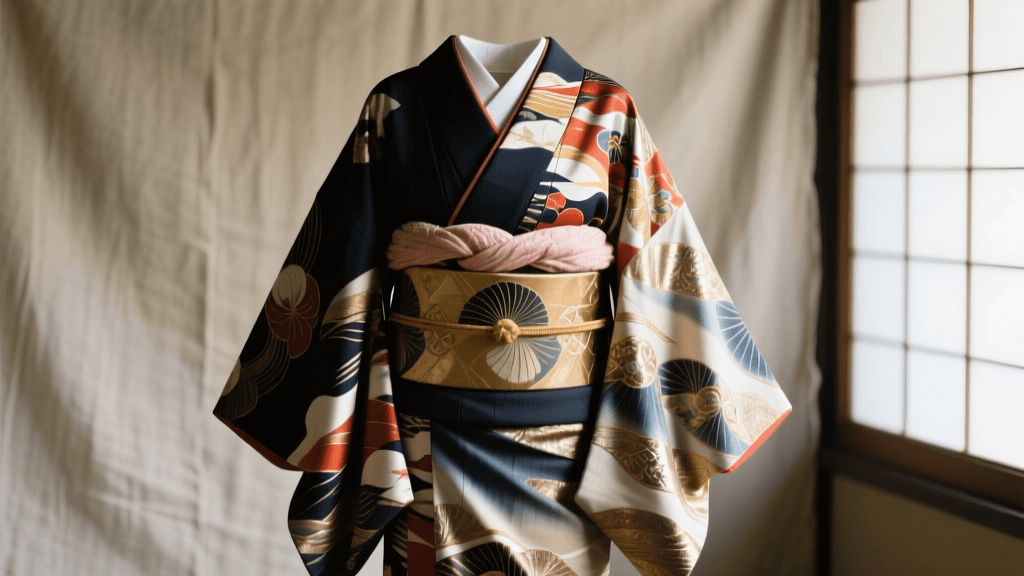
The Enduring Legacy of Japanese Stage Garments
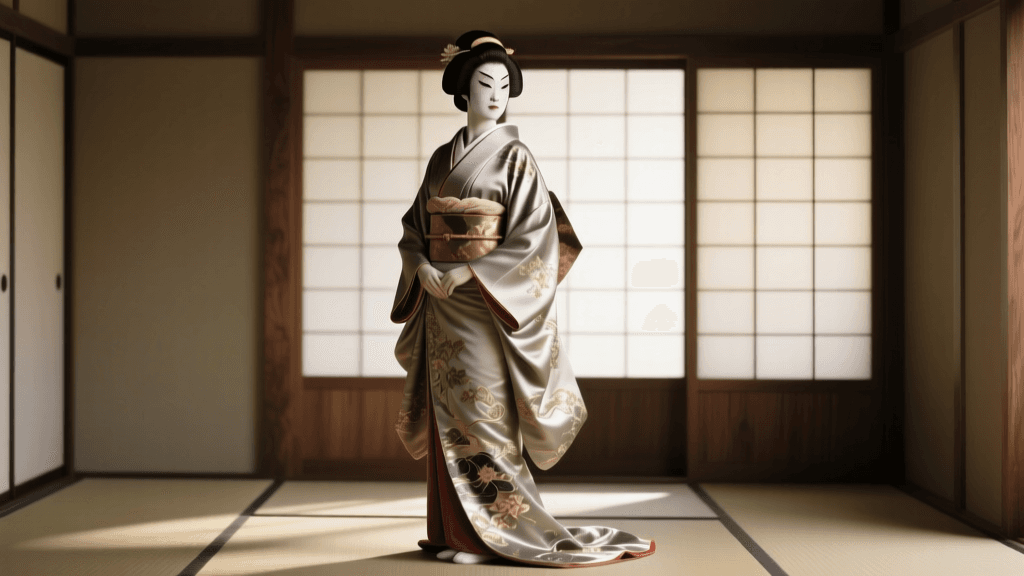
When we discuss the kimono in 2026, the conversation often gravitates toward contemporary street fashion, modern weddings, or seasonal festivals. However, the most technically complex, historically significant, and visually breathtaking examples of Japanese textile artistry are found not on the streets of Tokyo, but on the stages of its classical theaters. The kimono costumes used in Kabuki, Noh, and Bunraku—collectively recognized by UNESCO as Intangible Cultural Heritages—represent the absolute zenith of the Japanese weaving and dyeing traditions. As we navigate through 2026, a renewed global interest in traditional Asian performing arts has brought these magnificent stage garments into the spotlight, prompting advanced preservation efforts and unprecedented digital exhibitions.
Unlike everyday garments, theatrical kimono (often referred to as shozoku or isho) are engineered for movement, visibility from a distance, and profound symbolic storytelling. They are not merely clothing; they are architectural structures of silk, gold, and lacquer that dictate the actor's posture, movement, and emotional expression. In this comprehensive 2026 guide, we explore the distinct textile techniques, structural adaptations, and symbolic meanings embedded in the costumes of Japan's three great classical theater forms.
Noh Theater: The Architecture of Mystery and Restraint
Noh theater, which crystallized in the 14th and 15th centuries, is a highly stylized, minimalist art form driven by the aesthetic principle of yugen (profound, mysterious beauty). The costumes, known as Noh shozoku, are designed not to mimic reality, but to elevate the actor to a supernatural or archetypal state. The garments are exceptionally heavy, often weighing over 15 kilograms, and feature wide, stiff sleeves that require the actor to move with deliberate, gliding precision.
Key Noh Textile Techniques
The pinnacle of Noh textile artistry is the Karaori (Chinese-style weaving). Despite the name, this is a uniquely Japanese brocade technique developed in the Nishijin weaving district of Kyoto. In a Karaori garment, the weft threads are floated over the warp to create a raised, embroidered-like surface that catches the dim, atmospheric lighting of the Noh stage. Another vital technique is Surihaku, where gold or silver leaf is pressed directly onto the silk using a specialized lacquer adhesive. This creates a metallic sheen that signifies divine beings, demons, or intense emotional states.
Color and pattern in Noh are strictly codified. A red Karaori indicates a young woman or a spirit of high status, while a dark, unpatterned Karaori signifies an older woman or a character consumed by grief. The actor's manipulation of the heavy sleeves—folding them to signify weeping, or raising them to signify anger—relies entirely on the structural integrity of these monumental textiles.
Kabuki: Extravagance, Illusion, and the Hikinuki
If Noh is the theater of restraint, Kabuki is the theater of spectacular excess. Emerging in the Edo period as entertainment for the commoner classes, Kabuki relies on bold colors, exaggerated silhouettes, and dynamic stage illusions. Kabuki costumes (isho) are designed to be seen from the back of large, multi-tiered theaters, necessitating high-contrast dyes, massive family crests (mon), and voluminous padding.
The Magic of Hikinuki (Quick Change)
One of the most thrilling aspects of Kabuki costuming is the Hikinuki technique, a theatrical quick-change method that remains a closely guarded craft in 2026. During a dramatic climax, an actor will strike a powerful pose (mie), and stage assistants (kurogo) will simultaneously pull specific basting threads (nui-ito) holding the outer kimono together. In a fraction of a second, the outer garment falls away or flips inside out, revealing a completely different costume underneath. This visual metaphor signifies a sudden transformation in the character's nature, such as a gentle woman revealing a vengeful ghost, or a disguised warrior revealing his true identity.
The kimono used for Hikinuki must be meticulously engineered. The basting threads must be strong enough to hold the heavy brocades during vigorous sword fights or dances, yet snap cleanly when pulled by the kurogo. The inner layers are often made of lighter, slippery silks like habutae to ensure the outer layers slide off without catching.
Bunraku: Tailoring for the Wooden Soul
Bunraku, or Ningyo Joruri, is Japan's classical puppet theater. The puppets, which are roughly two-thirds the size of a human, are operated by three puppeteers in full view of the audience. Dressing a Bunraku puppet is a masterclass in structural tailoring. The kimono cannot simply be draped; it must be integrated into the puppet's wooden armature.
Adapting the Kimono for Puppetry
A Bunraku kimono is constructed with specific cutouts, internal padding, and hidden ties that allow the principal puppeteer (omozukai) to manipulate the head and right arm, while the left-hand puppeteer (hidari-zukai) operates the left sleeve. The sleeves are heavily padded with cotton or synthetic wadding (in modern 2026 reproductions) to give the illusion of flesh and muscle beneath the silk. When the puppeteer moves the sleeve, the kimono fabric ripples and folds exactly as it would on a human arm, granting the wooden figure a breathtaking sense of life and breath.
The textiles used in Bunraku are slightly scaled down compared to Kabuki, but they utilize the same luxurious Nishijin brocades and Yuzen dyeing techniques. Because the audience sits relatively close to the stage, the fine details of the embroidery and the subtle gradients of the dye work are highly visible and meticulously maintained by the theater's resident wardrobe masters.
Comparative Analysis: Stage Garments Across the Three Arts
To understand the distinct engineering requirements of these theatrical forms, we must compare how the kimono functions in each environment. The following table outlines the primary differences in textile application and stage function as observed in contemporary 2026 performances.
| Theater Form | Primary Costume Term | Key Textile Technique | Weight & Structure | Primary Stage Function |
|---|---|---|---|---|
| Noh | Shozoku (Karaori) | Floating weft brocade, Surihaku (gold leaf) | Extremely heavy (15kg+), stiff, wide sleeves | Conceal the human form; dictate slow, gliding movement; signify archetypes. |
| Kabuki | Isho | Heavy brocade, bold Yuzen dye, Hikinuki rigging | Heavy but articulated, padded shoulders, engineered tear-aways | Maximize visual impact from a distance; enable rapid, dramatic transformations. |
| Bunraku | Ningyo Isho | Scaled Nishijin-ori, internal armature tailoring | Lightweight silk over heavy cotton padding, wooden tie-points | Simulate human anatomy; allow seamless manipulation by three puppeteers. |
2026 Preservation and Technological Integration
The preservation of these fragile, historically significant garments has entered a new era in 2026. Because stage kimono are subjected to immense physical stress, sweat, and the friction of rapid movement, surviving Edo-period examples are exceedingly rare. Today, institutions like the Kyoto National Museum utilize multispectral imaging and AI-driven climate control to analyze and preserve metallic threads and organic dyes without exposing the garments to damaging light or humidity fluctuations.
Furthermore, the Japan Arts Council, which oversees the National Noh Theatre and other premier venues, has expanded its digital archiving initiatives. In 2026, students and textile researchers can access high-resolution, 3D-scanned models of historic Karaori and Kabuki Hikinuki garments, allowing them to study the internal stitching and layering techniques that are usually hidden from the audience. This digital democratization ensures that the highly specialized knowledge of theatrical tailoring is passed on to the next generation of artisans, even as the number of traditional master weavers in Nishijin continues to face demographic challenges.
Global cultural exchange programs, supported by organizations like The Japan Foundation, have also begun touring with replica stage garments. These exhibitions allow international audiences to physically interact with the weight and texture of a Noh Surihaku or examine the complex rigging of a Kabuki quick-change kimono, bridging the gap between the distant stage and the intimate appreciation of Japanese textile heritage.
Collecting and Studying Theater Kimono Today
For textile collectors, fashion historians, and kimono enthusiasts in 2026, acquiring genuine theatrical kimono is a complex endeavor. Authentic stage garments rarely enter the open market; they are typically held by theater troupes, prominent acting families, or specialized museums. However, antique markets in Kyoto and Tokyo occasionally yield late-Meiji or Taisho-era stage undergarments (juban) or damaged brocades that have been repurposed into display panels (tsuzure).
When studying these garments, one must look beyond the surface beauty. The true genius of the Kabuki, Noh, and Bunraku kimono lies in its hidden engineering—the reinforced stress points, the strategic placement of padding, and the precise calculation of how silk will catch the light when an actor strikes a pose. Understanding these garments requires viewing them not as static pieces of clothing, but as vital, kinetic components of a living, breathing theatrical tradition that continues to captivate the world in 2026 and beyond.