Authentic Silk Hanbok Shopping 2026: Best Online Markets
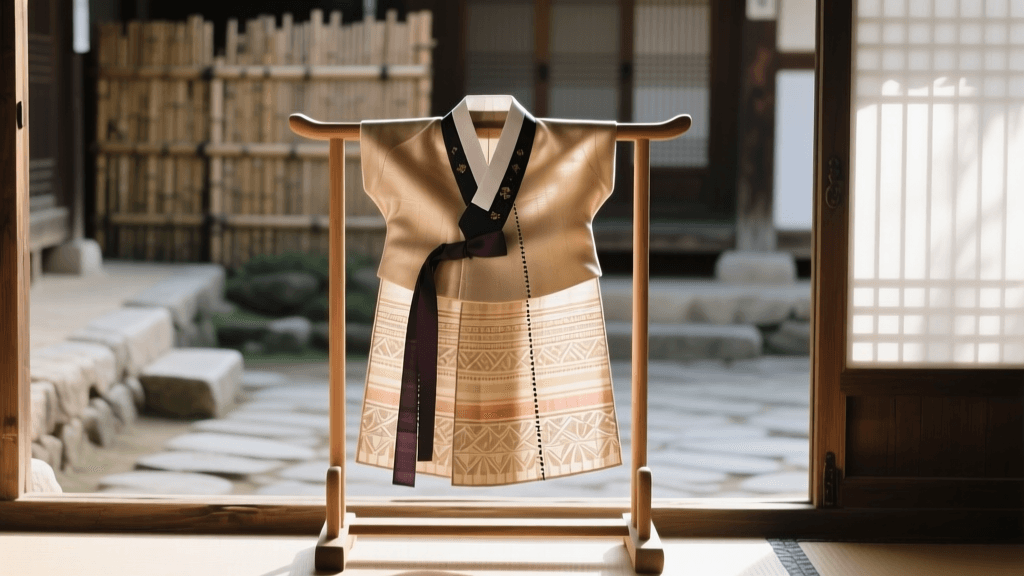
The Global Surge in Traditional Korean Garments
The year 2026 has marked a definitive turning point for traditional Asian garments on the global stage. Driven by a renewed international appreciation for historical craftsmanship and the enduring influence of Korean media, the hanbok has transitioned from a strictly ceremonial garment to a highly sought-after piece of wearable cultural art. However, as demand has skyrocketed, so has the proliferation of mass-produced, synthetic costume replicas. For serious collectors, cultural enthusiasts, and those seeking genuine investment pieces, navigating the digital landscape to find authentic Myeongju (traditional Korean silk) hanbok requires a strategic approach. According to the Cultural Heritage Administration of Korea, the preservation of traditional weaving techniques is a national priority, yet the digital marketplace remains flooded with misleading product descriptions. This comprehensive guide will equip you with the knowledge to identify trusted online marketplaces, verify fabric authenticity, and correctly size your garments for international shipping in 2026.
Top Online Marketplaces for Authentic Hanbok in 2026
Finding a genuine hanbok crafted by certified artisans requires looking beyond standard fast-fashion retailers. Here are the most reliable online platforms for sourcing authentic Korean traditional garments this year.
1. Gmarket Global and Auction.co.kr
For buyers willing to navigate a slightly more complex interface, South Korea’s domestic e-commerce giants offer unparalleled access to authentic garments. Gmarket Global provides an English-language storefront that connects international buyers directly with established Korean boutiques and regional silk weavers. The primary advantage here is access to domestic pricing and regional specialties, such as Andong silk or Hansan ramie. Buyers should look for sellers with high trust scores and those who explicitly list the regional origin of their textiles.
2. Idus (Korean Craft Platform)
Idus is Korea’s premier platform for handmade and artisanal goods, functioning similarly to Etsy but with a strict focus on verified local craftspeople. In 2026, Idus remains the gold standard for purchasing bespoke, hand-woven hanbok directly from the studios of recognized masters. While the platform is primarily in Korean, international buyers can utilize browser translation tools to communicate directly with artisans for custom measurements. The Korea Craft and Design Foundation (KCDF) frequently partners with platforms like Idus to promote certified traditional craft makers, ensuring that the garments sold meet rigorous historical and material standards.
3. Curated Etsy Boutiques
While Etsy is saturated with cheap, polyester Halloween costumes, a highly curated subset of Korea-based sellers offers genuine, hand-stitched hanbok. The key to using Etsy in 2026 is filtering by shop location (Seoul or Jeonju) and scrutinizing the material breakdown. Authentic sellers will provide detailed macro-photography of the fabric weave, the goreum (coat strings), and the interior lining, often citing the specific master weaver or textile mill that produced the silk.
Fabric Breakdown: Myeongju Silk vs. Modern Alternatives
Understanding the textile is the most critical step in online hanbok shopping. Traditional hanbok relies on the interplay of light and texture, which varies drastically depending on the fiber. Below is a comparative analysis of the fabrics you will encounter online.
| Fabric Type | Composition | 2026 Price Range (USD) | Drape & Breathability | Best Use Case |
|---|---|---|---|---|
| Traditional Myeongju | 100% Pure Silk (Tight Weave) | $450 - $1,200+ | Crisp, structured, highly breathable | Weddings, major ceremonies, heirloom investment |
| Gapsa / Sa (Gauze Silk) | 100% Pure Silk (Loose Weave) | $300 - $800 | Sheer, lightweight, fluid drape | Summer wear, layered ceremonial over-robes |
| Hansan Mosi (Ramie) | 100% Ramie Fiber | $400 - $1,500 | Stiff, cooling, translucent | High-end summer garments, scholarly aesthetics |
| Modern Poly-Silk Blend | 70% Polyester, 30% Silk | $120 - $250 | Soft, wrinkle-resistant, less breathable | Frequent wear, performances, travel |
| Costume-Grade Synthetic | 100% Polyester / Nylon | $30 - $80 | Shiny, stiff, traps heat | Photography props, casual festivals |
When shopping for Myeongju, be wary of listings that use the term “silk-like” or “silk blend” without specifying the exact percentage. Genuine Myeongju has a distinct, subtle luster that does not reflect light as harshly as synthetic satin, and it possesses a natural “scroop” (a rustling sound) when the fabric moves.
Verification: Spotting Genuine Artisan Hanbok Online
In 2026, authentication technology has merged with traditional craftsmanship. High-end hanbok boutiques now frequently utilize NFC (Near Field Communication) tags woven into the garment’s inner lining or attached to the authenticity certificate. Scanning these tags with a smartphone verifies the garment’ origin, the artisan’s credentials, and the specific silk batch.
If you are purchasing from a platform that does not support NFC verification, you must rely on visual and descriptive cues:
- The Dongjeong (White Collar): On an authentic hanbok, the dongjeong is a removable, crisp white paper or stiffened fabric collar that contrasts sharply with the silk jeogori (jacket). Mass-produced versions often sew a flimsy white ribbon directly into the neckline.
- The Goreum (Coat Strings): Traditional goreum are long, asymmetrical, and hand-stitched to allow for a specific, historically accurate knot. Synthetic versions are often too short, uniformly machine-stitched, and lack the internal structure required to hold the traditional bow.
- Seam Construction: Authentic garments utilize specific seam allowances and hand-finished edges, particularly around the curved baerae (the bottom curve of the sleeve). Look for macro photos of the sleeve curve; a perfectly smooth, un-puckered curve indicates master-level tailoring.
Mastering Measurements: Jeogori and Chima Sizing
Unlike Western clothing, which is tailored to hug the body’s contours, the hanbok is designed to create a new silhouette through structural layering. Standard S/M/L sizing is virtually useless when purchasing authentic garments online. You must provide the seller with precise measurements.
Measuring for the Jeogori (Jacket)
- Chest/Bust: Measure around the fullest part of your chest. For the hanbok, the jacket should not pull across the bust; the jeogori sits slightly above the natural waist.
- Arm Length: Measure from the prominent bone at the base of your neck (the C7 vertebra), across your shoulder, and down to your wrist bone. This is crucial for the baerae curve.
- Shoulder Width: Measure from the edge of one shoulder to the other across the back.
Measuring for the Chima (Skirt)
- Underbust/High Waist: The chima is tied tightly just below the bust line, not at the natural waist or hips. Measure this circumference accurately to ensure the skirt stays up without restricting breathing.
- Skirt Length: Measure from the underbust line down to your desired hemline. Traditionally, the hem should graze the floor, hiding the feet entirely when standing still.
Pro Tip for 2026 Buyers: Always communicate your preferred “volume” to the seller. A traditional chima requires 4 to 6 meters of fabric width to achieve the iconic bell shape. If you are buying modern, slim-line hanbok, specify that you want a “daily wear” or “modern silhouette” cut, which uses less fabric and is easier to manage in urban environments.
Navigating International Shipping and Garment Care
When ordering directly from South Korea via EMS (Express Mail Service), expect transit times of 7 to 14 days to North America or Europe. Be prepared to pay local customs duties, as authentic silk garments often exceed the duty-free import thresholds in many Western countries. Always request that the seller declare the item accurately as “Traditional Silk Garment” rather than “Costume,” as customs agents may inspect the package, and misdeclaration can lead to seized goods or heavy fines.
Once your authentic Myeongju silk hanbok arrives, proper care is paramount. Never machine wash traditional silk. The water and agitation will destroy the natural sericin proteins in the silk, causing irreversible shrinkage and loss of luster. For minor stains, use a specialized silk spot-cleaner. For comprehensive cleaning, seek out a dry cleaner in your city that explicitly advertises experience with “heritage textiles” or “traditional Asian garments.” When storing the garment, avoid wire hangers, which will distort the shoulder seams. Instead, fold the chima along its natural pleats and store the jeogori flat in a breathable cotton garment bag, accompanied by natural cedar blocks to deter moths without introducing harsh chemical odors into the delicate silk fibers.
By leveraging specialized marketplaces, understanding the nuances of traditional textiles, and adhering to precise measurement protocols, you can confidently acquire a genuine piece of Korean cultural heritage that will last for generations.