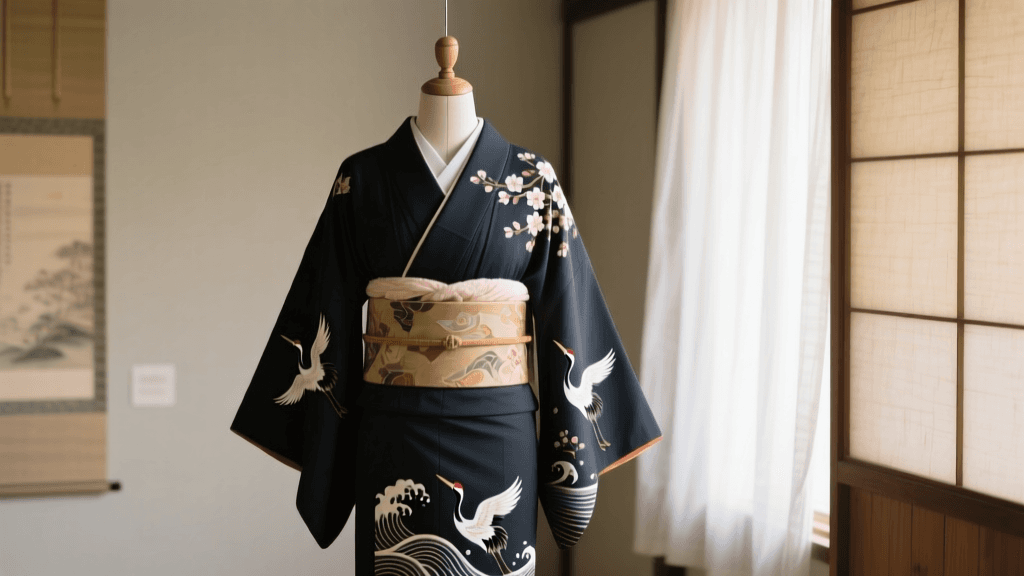
Kyoto Kimono Sewing Workshops 2026: Learn Wasai Art
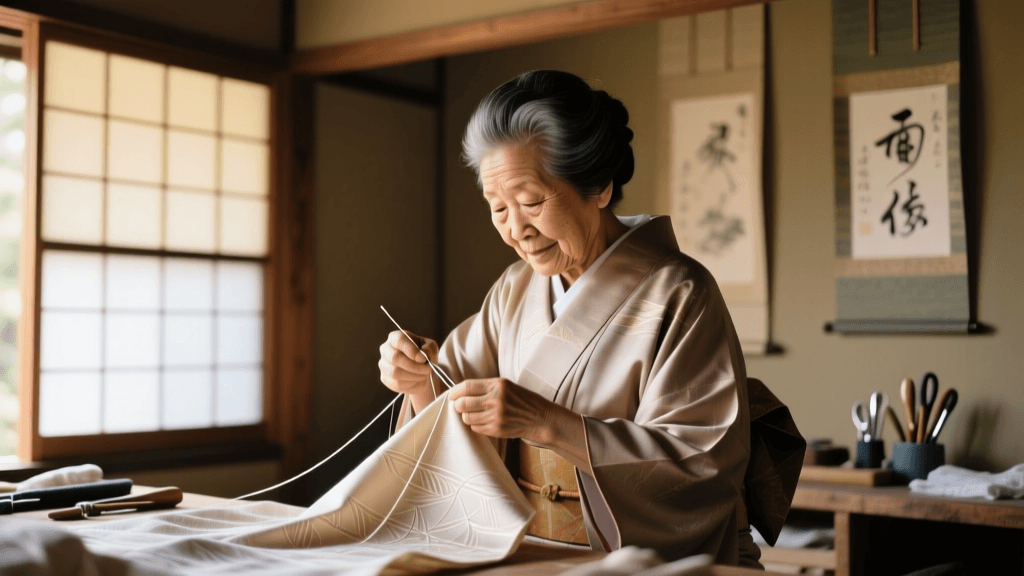
The Renaissance of Wasai in 2026
In 2026, the global slow fashion movement has catalyzed a massive surge in interest regarding traditional Asian garment construction. Discerning makers and sustainable fashion advocates are increasingly turning away from fast, disposable clothing and looking toward heritage techniques that prioritize longevity, zero-waste patterning, and deep cultural resonance. At the forefront of this movement is the art of Wasai—the traditional Japanese method of sewing garments, most notably the kimono. For international students and textile enthusiasts, Kyoto remains the undisputed epicenter for learning these ancient techniques, offering immersive workshops that bridge centuries of history with modern sustainable practices.
Unlike Western tailoring, which relies on complex curved cutting to map the human form, Wasai is an exercise in geometric precision, straight lines, and profound respect for the textile. According to the Metropolitan Museum of Art's Heilbrunn Timeline of Art History, the fundamental T-shape structure of the kimono has remained remarkably consistent since the Edo period. This consistency is not due to a lack of innovation, but rather a brilliant, inherently sustainable design philosophy that modern makers are eager to rediscover.
The Philosophy of Wasai: Zero Waste and Straight Lines
To understand the appeal of Kyoto's sewing workshops, one must first understand the foundational philosophy of Wasai. In Western garment construction (yosai), fabric is cut into curved pieces, resulting in significant offcut waste. In Wasai, the fabric is woven in a specific narrow bolt called a tanmono—typically measuring around 36 centimeters in width and 12 meters in length. The entire kimono is constructed from this single bolt using only straight seams, leaving absolutely zero fabric waste.
Furthermore, the seams in a traditional kimono are not finished with overlocking or serging. Instead, the raw edges are folded inward and stitched with meticulous, nearly invisible running stitches. This modular, straight-line construction allows the garment to be entirely disassembled, washed, and resewn—a vital practice before the advent of modern dry cleaning. In 2026, as the fashion industry grapples with its environmental impact, this zero-waste, fully recyclable garment architecture is being studied as a masterclass in sustainable design.
Top Kyoto Kimono Sewing Workshops in 2026
Kyoto offers a variety of educational experiences, ranging from brief cultural immersions to rigorous, multi-week residencies. Below are the premier workshops available for international and domestic students this year.
1. The Nishijin Textile Residency Program
Located in the heart of Kyoto's historic weaving district, the Nishijin Textile Residency is a rigorous, four-week program designed for intermediate to advanced sewists. In 2026, the curriculum has been updated to include modules on restoring vintage silk tanmono and integrating sustainable, plant-dyed modern fibers. Students spend their mornings learning the mathematics of shitate (kimono construction) and their afternoons practicing the physical stitching under the guidance of master artisans. The program culminates in the creation of a fully lined, bespoke kimono tailored to the student's exact measurements.
2. Kyoto Wafuku Heritage Weekend Intensive
For travelers and hobbyists who cannot commit to a month-long residency, the Kyoto Wafuku Heritage Weekend Intensive offers a concentrated, two-day masterclass. This workshop focuses on the creation of a yukata (an unlined summer cotton kimono), which requires fewer complex finishing techniques than a lined silk kimono. Students learn how to measure the body using the traditional shaku ruler, how to mark the fabric using a specialized water-soluble ink, and how to execute the foundational hon-nui (main sewing) running stitch. It is the perfect entry point for those new to Asian traditional garments.
3. Virtual-Hybrid Wasai Certification
Leveraging advancements in remote-learning technology, several Kyoto-based institutions now offer a Virtual-Hybrid Wasai Certification. Students receive a physical kit containing pre-measured tanmono, traditional tools, and basting threads. Through high-definition, multi-angle live streams and 2026's new spatial computing VR overlays, instructors can remotely verify a student's stitch tension and seam allowances. This program is ideal for international students who wish to learn authentic techniques without the immediate cost of relocating to Japan.
2026 Workshop Comparison Chart
Choosing the right workshop depends on your current skill level, budget, and time commitment. The table below outlines the core differences between the primary workshop formats available in Kyoto this year.
| Workshop Type | Duration | 2026 Tuition (USD) | Skill Level | Final Output |
|---|---|---|---|---|
| Nishijin Residency | 4 Weeks | $3,800 | Intermediate/Advanced | Lined Silk Kimono |
| Heritage Weekend | 2 Days | $450 | Beginner | Cotton Yukata |
| Virtual-Hybrid Cert | 8 Weeks (Remote) | $1,200 | All Levels | Unlined Hitoe Kimono |
Essential Tools for the Modern Wasai Student
Walking into a Wasai studio for the first time can be intimidating, as the tools differ vastly from Western sewing kits. While most 2026 workshops provide these tools during class, serious students often wish to purchase their own. Here are the essential implements you will master:
- Herabari: A specialized spatula traditionally made from bamboo or camellia wood, though modern versions often feature Teflon coatings. It is used to crease seams, fold hems, and hold delicate silk taut without the risk of piercing the threads with pins.
- Kote: The traditional Japanese iron. While historical versions were heated with charcoal, modern electric kote feature precise thermostatic controls essential for pressing delicate silks and synthetic blends without scorching. The narrow, elongated shape allows for pressing deep into narrow seams.
- Shaku: The traditional Japanese ruler. A standard shaku measures roughly 30.3 centimeters and is divided into 10 sun. Understanding these traditional units of measurement is absolutely crucial when reading vintage shitate patterns and calculating fabric yields.
- Harite: Small, specialized tensioning clips, often made of bamboo or brass. In traditional floor-sewing, these are used to anchor the fabric to a tensioning board or the sewer's knee, keeping the long, straight seams perfectly aligned during stitching.
- Shitsuke-ito: A highly twisted, smooth cotton basting thread. Unlike Western basting thread, shitsuke-ito is designed to glide through silk without snagging and is meant to be removed easily once the permanent hon-nui stitches are in place.
Sourcing Authentic Tanmono in Kyoto
A significant part of the Wasai learning experience is sourcing the correct materials. The Nishijin district in Kyoto is world-renowned for its luxury textiles. According to Kogei Japan, the official portal for traditional Japanese crafts recognized by the Ministry of Economy, Trade and Industry, the creation of Nishijin-ori textiles involves a highly specialized, multi-artisan process that can include up to twenty distinct steps, from design and yarn dyeing to weaving and finishing.
In 2026, students enrolled in Kyoto workshops are often granted exclusive access to wholesale weaving cooperatives. Here, you can purchase remnant tanmono bolts at a fraction of the retail cost. When selecting your first fabric, instructors highly recommend starting with a mid-weight cotton or a textured silk tsumugi. These fabrics have a slight 'tooth' or friction, which prevents the layers from slipping against each other while you are learning to manage the long, unbroken seams of the kimono panels.
Mastering the Measurements: Yuki, Katahaba, and Sodehaba
Before a single stitch is cast, the Wasai artisan must translate the wearer's body measurements into the geometric grid of the kimono. Unlike Western patterns that require bust, waist, and hip measurements, kimono construction relies on a different set of structural metrics. The most critical is the yuki, which measures the distance from the center back of the neck, over the shoulder, and down to the wrist. This single measurement dictates the width of the back panel (miyatsukuchi) and the sleeve (sodehaba).
During the advanced 2026 seminars, students learn the subtle art of adjusting these proportions to flatter different body types while strictly adhering to the zero-waste constraints of the 36cm tanmono width. If a client's yuki exceeds the standard fabric width, the artisan must employ ingenious, hidden piecing techniques that maintain the visual integrity of the garment's exterior.
Preparing for Your 2026 Sewing Journey
For international makers planning to travel to Japan for these immersive experiences, preparation is key. While English-language instruction has become much more prevalent in Kyoto's top ateliers by 2026, familiarizing yourself with basic Japanese sewing terminology will vastly improve your experience. Terms like kake-eri (collar cover), okumi (front overlap panel), and tomoeri (inner collar) are used constantly in the studio.
Furthermore, the Japan National Tourism Organization (JNTO) recommends that cultural tourists book specialized artisan workshops at least six months in advance, as the post-pandemic stabilization of global travel has led to unprecedented demand for authentic, hands-on heritage experiences. Whether you are a bespoke tailor looking to expand your structural knowledge, or a sustainable fashion advocate seeking zero-waste inspiration, the Wasai workshops of Kyoto offer a profound, life-changing immersion into one of Asia's most revered textile traditions.