Guide to Kabuki, Noh & Bunraku Theater Kimonos 2026
The Living Textile Museums of Japanese Theater
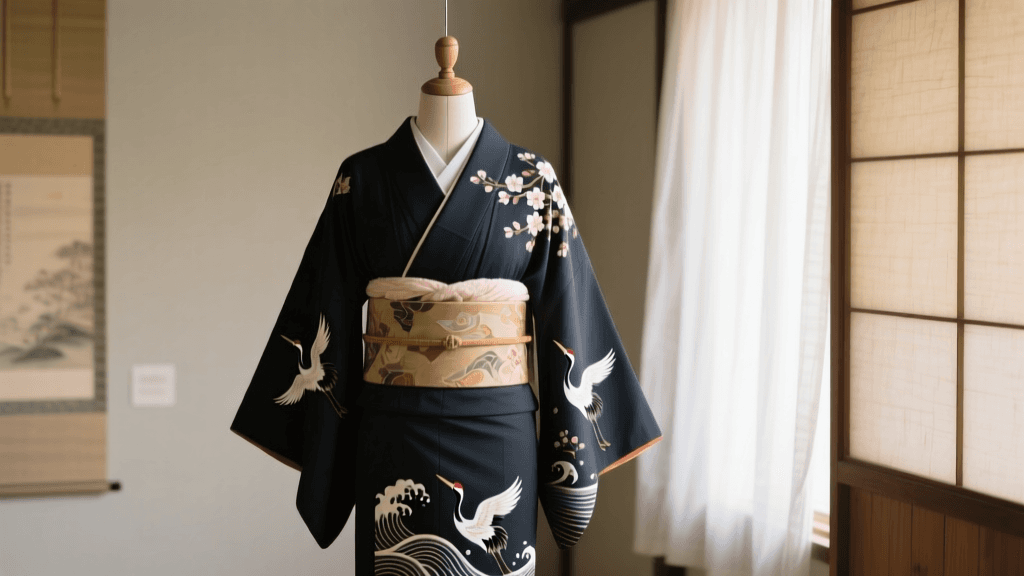
Traditional Japanese theater is not merely a performing art; it is a living, breathing museum of textile mastery. For centuries, the kimono has served as the ultimate canvas for storytelling on the stage, communicating a character's social status, emotional state, and supernatural nature before a single line is spoken. As we move through the 2026 antique textile market, the appreciation for stage-worn kimono has surged among global collectors, interior designers, and fashion historians. The intersection of dramatic performance and Nishijin-ori (brocade weaving) has created garments that are as structurally fascinating as they are visually breathtaking.
Whether you are a seasoned collector navigating the 2026 Kyoto antique markets or a cultural enthusiast seeking to understand the sartorial codes of the stage, distinguishing between the costumes of Kabuki, Noh, and Bunraku requires a nuanced understanding of their unique theatrical demands. This comprehensive guide explores the distinct styles, identification markers, and current market valuations of Japanese theater kimonos.
Kabuki: Extravagance, Drama, and the Hikinuki Technique
Kabuki theater is synonymous with visual spectacle. Emerging in the Edo period, Kabuki costumes are designed to project across large theaters, utilizing bold colors, exaggerated silhouettes, and heavy metallic threads. According to Japan Guide's comprehensive overview of Kabuki theater, the visual impact of the costume is just as critical as the actor's makeup and performance.
The Hikinuki Quick-Change Method
One of the most thrilling aspects of Kabuki is the hikinuki, a rapid on-stage costume change that reveals a new kimono underneath or transforms the outer garment in seconds. This is achieved through a specialized basting technique. The outer kimono is held together not by permanent seams, but by strategically placed threads that stage assistants (kuroko) pull at the dramatic climax of a scene. When collecting vintage Kabuki kimono, you can often identify stage-worn pieces by the presence of reinforced loops, extra internal ties (himo), and the specific basting stitch patterns used for quick releases.
Onnagata Tailoring
Because female roles in Kabuki are played by male actors (onnagata), the kimonos are masterclasses in optical illusion. An onnagata kimono features dropped shoulders, extensive padding at the hips to create a feminine curve, and an elongated hem to hide the actor's natural gait. In 2026, authentic onnagata stage garments are highly sought after for their unique structural engineering, often fetching premium prices at specialized Tokyo auctions.
Noh: Subtlety, Symbolism, and the Kariginu
If Kabuki is a shout, Noh is a whisper. Noh theater relies on the aesthetic of yugen (profound, mysterious beauty). The costumes, known collectively as shozoku, are less about realistic representation and more about spiritual and emotional symbolism. The Metropolitan Museum of Art notes in their Heilbrunn Timeline of Art History on Noh that the garments are so heavily woven and ornate that they often function as sculptural elements, transforming the actor into an otherworldly deity or ghost.
Karaori and Surihaku Techniques
The most iconic Noh garment is the karaori, a heavy silk brocade jacket worn by actors playing female roles. Woven in Kyoto's Nishijin district, these garments feature floating weft threads that create a three-dimensional, embroidery-like effect. Another highly prized textile is the surihaku, where gold or silver foil is pressed directly into the silk using a specialized paste. Over time, the foil cracks and flakes, giving vintage Noh costumes a haunting, weathered patina that collectors in 2026 deeply value for its wabi-sabi aesthetic.
Bunraku: Puppetry and Proportion
Bunraku, the traditional puppet theater of Japan, presents a unique set of sartorial challenges. The puppets are approximately one-half to two-thirds human size and are operated by three puppeteers. According to Japan Guide's guide to Bunraku puppet theater, the costumes must be meticulously tailored to allow the puppeteers to manipulate the limbs without the fabric bunching or restricting movement.
Bunraku kimonos (ningyo shozoku) feature wider armholes, specialized internal slits for the puppeteers' hands, and lighter padding than human-sized stage garments. The textiles used are often of the highest quality, matching the luxurious brocades of human actors, but scaled down. Finding intact Bunraku costumes on the secondary market is exceptionally rare, as they are usually retained by the National Bunraku Theatre or specific puppet troupes.
2026 Market Trends and Valuation Guide
The market for Japanese theater textiles has evolved significantly by 2026. With the rise of digital authentication and non-invasive textile scanning, collectors can now verify the metallic thread composition and dye origins without damaging fragile antique garments. Below is a comparative breakdown of the current collector market for theater kimonos.
| Theater Style | Signature Garment | Defining Technique | 2026 Market Value (USD) | Collector Rarity |
|---|---|---|---|---|
| Kabuki | Hikinuki Kimono | Quick-release basting threads | $1,500 - $8,500+ | Moderate |
| Kabuki | Onnagata Uchikake | Illusion tailoring, heavy padding | $3,000 - $12,000 | High |
| Noh | Karaori | Nishijin-ori floating weft brocade | $4,500 - $18,000+ | Very High |
| Noh | Surihaku | Gold/silver foil application | $2,500 - $10,000 | High |
| Bunraku | Ningyo Shozoku | Custom proportioned puppet tailoring | $1,200 - $6,000 | Extremely Rare |
How to Identify Authentic Stage Garments
Distinguishing a stage-worn kimono from a standard ceremonial garment requires a keen eye for structural anomalies. When examining pieces at antique markets like Kyoto's Toji Temple market or the Oedo Antique Market in Tokyo, look for the following indicators:
- Internal Tie Systems: Stage kimonos feature numerous hidden ties and loops to secure the garment during vigorous movement or to facilitate quick changes. A standard kimono relies primarily on the obi.
- Excessive Padding: Kabuki and Noh costumes often contain thick cotton or silk batting at the shoulders, chest, and hips to create larger-than-life silhouettes that read well from the back rows of a theater.
- Lack of Ohashori: Standard women's kimonos are worn with an ohashori (a tuck at the waist). Stage kimonos for male or supernatural roles are often tailored to be worn straight down without a tuck, resulting in unusually long hems that are bunched internally.
- Reinforced Stress Points: Look for heavy reinforcement at the back of the neck and under the arms, where the friction of stage movement and harnesses (in the case of certain dramatic roles) causes excessive wear.
- Sweat Guards: Vintage stage garments frequently feature replaceable, unbleached cotton sweat guards sewn into the collar and underarms to protect the expensive brocade from the actor's perspiration under hot stage lights.
Preservation and Care in 2026
Owning a piece of Japanese theatrical history comes with significant preservation responsibilities. The heavy metallic threads and metallic foils used in Noh and Kabuki garments are highly susceptible to oxidation and physical cracking.
Never fold a Noh surihaku or a heavily embroidered Kabuki uchikake along the same line twice. The metallic foil and wrapped threads will permanently fracture, leading to irreversible loss of the design.
In 2026, best practices for home collectors involve the use of micro-climate display cases that maintain a strict relative humidity of 50-55%. When storing these garments in archival boxes, use unbuffered, acid-free tissue paper to stuff the sleeves and body, preventing sharp creases. Avoid direct exposure to LED lighting that emits high levels of blue light, which can degrade the organic silk dyes over time. For garments with flaking gold foil, consult a professional textile conservator who specializes in Asian antiquities before attempting to move or display the piece.
Conclusion
The kimono of Kabuki, Noh, and Bunraku are far more than mere clothing; they are architectural marvels of silk, gold, and thread, engineered to breathe life into gods, demons, and tragic heroes. As the 2026 collector market continues to recognize the profound craftsmanship embedded in these stage garments, preserving their legacy becomes a shared responsibility among enthusiasts worldwide. By understanding the unique structural and aesthetic hallmarks of each theatrical tradition, collectors can ensure that the drama of the Japanese stage continues to captivate audiences long after the curtain falls.