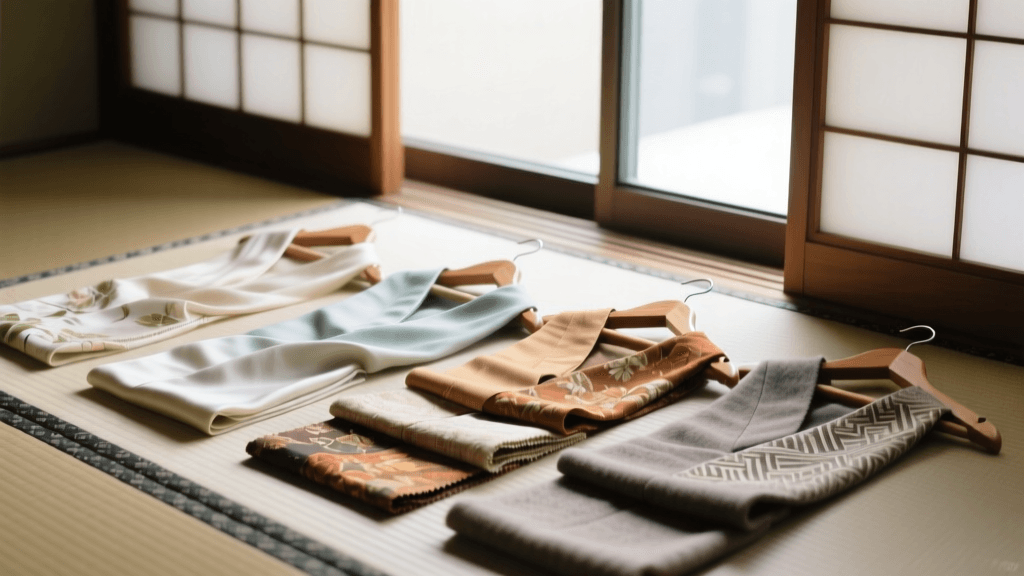
Best Wafuku Sewing Workshops & Kimono Making Seminars 2026
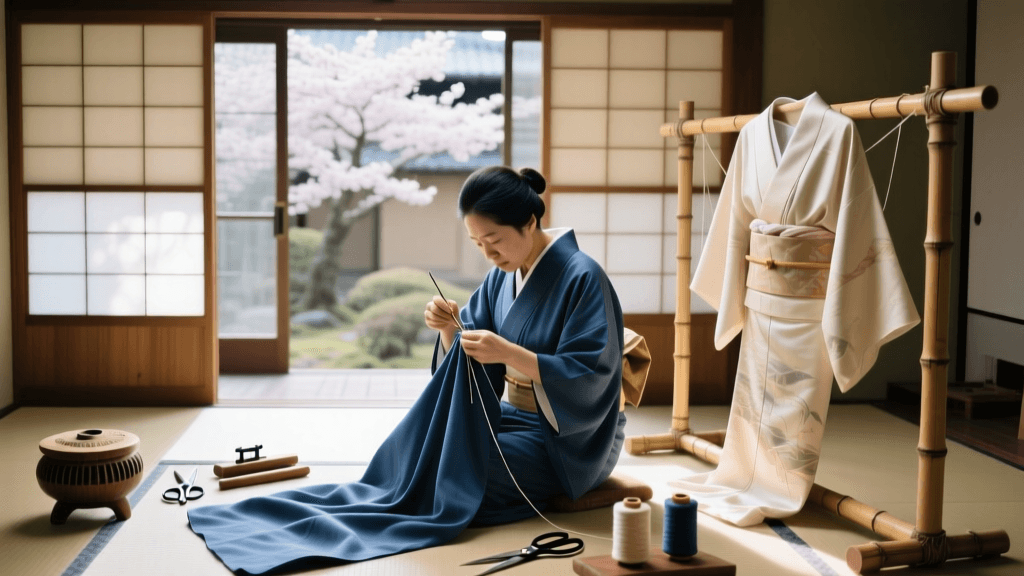
The Global Renaissance of Wafuku Sewing in 2026
As the global fashion industry continues to pivot toward sustainability and zero-waste design in 2026, the ancient Japanese art of Wafuku sewing (traditional garment making) has experienced a massive renaissance. Unlike Western tailoring, which relies on curved cutting and generates significant textile waste, kimono construction utilizes chokusen-dachi (straight-line cutting). Every inch of the fabric is used, and the garment can be entirely disassembled, cleaned, and resewn. This inherent sustainability has drawn a new wave of international designers, textile artists, and hobbyists to Wafuku sewing workshops and seminars.
Whether you are looking to master the delicate blind-stitching (kuke) required for silk linings or simply want to construct your first cotton yukata, 2026 offers an unprecedented array of learning opportunities. From intensive in-person seminars in Kyoto to hybrid digital masterclasses, here is your comprehensive guide to learning traditional Asian garment making this year.
Top In-Person Kimono Tailoring Seminars in Kyoto & Tokyo
For those willing to travel, studying in Japan remains the gold standard for Wafuku sewing. In 2026, cultural tourism has fully rebounded, and artisan workshops have expanded their English-language offerings to accommodate global demand. According to the Japan National Tourism Organization (JNTO), cultural immersion programs focusing on traditional crafts are among the fastest-growing sectors for international visitors.
1. The Kyoto Artisan Wafuku Intensive (Kyoto)
Located in the historic Nishijin weaving district, this two-week immersive seminar is designed for intermediate sewers. Students learn to work with vintage and newly woven Nishijin silk. The curriculum focuses heavily on the shaku measuring system (where one shaku is approximately 37.8 cm) and teaches students how to calculate fabric yardage based on the wearer's height and arm span without using paper patterns.
2. Tokyo Wasai Certification Prep Course (Tokyo)
For those seeking professional accreditation, Tokyo-based Wasai (Japanese sewing) schools offer rigorous semester-long seminars. These programs prepare students for the national Wafuku sewing certification exams. The 2026 syllabus has been updated to include modules on upcycling vintage kimono silk into modern, wearable Wafuku-inspired garments, bridging the gap between strict tradition and contemporary fashion.
Premier Online Wafuku Construction Masterclasses
If traveling to Japan is not feasible, 2026 has brought remarkable advancements in online textile education. High-definition, multi-angle camera setups and augmented reality (AR) measuring tools now allow instructors to correct students' stitching tension and seam allowances in real-time.
- Global Wafuku Virtual Academy: Offers a 12-week cohort-based course focusing on the construction of the Hitoe (unlined kimono). Students receive a curated toolkit shipped directly from Kyoto before the first live session.
- Sustainable Zero-Waste Draping Seminars: Hosted by international fashion institutes, these weekend webinars focus on the geometry of the kimono. As noted by the Victoria and Albert Museum (V&A), the kimono's T-shape structure is a masterclass in textile conservation, and these seminars teach modern designers how to apply these geometric principles to contemporary zero-waste pattern making.
Essential Wafuku Sewing Toolkit: 2026 Buyer’s Guide
Traditional Japanese sewing requires specialized tools that differ vastly from Western haberdashery. Before attending any seminar, students are usually required to acquire a specific set of implements. Below is a breakdown of the essential tools, their Japanese terminology, and current 2026 market pricing.
| Tool Name | Japanese Term | 2026 Average Cost (USD) | Primary Use in Garment Making |
|---|---|---|---|
| Bamboo Creasing Spatula | Heramori | $18 - $35 | Used to crease fabric folds and mark seam allowances without damaging delicate silk fibers. |
| Traditional Ruler | Shaku-jaku | $40 - $85 | A bamboo or wooden ruler marked in the traditional Japanese measuring system (sun and shaku). |
| Tension Board & Pins | Kugedai & Kugeshin | $60 - $120 | A specialized wooden board with pins used to stretch and hold fabric taut while ironing or sewing. |
| Weighted Ironing Board | Kakedai | $90 - $150 | A narrow, elevated wooden board used for pressing seams open, often paired with heavy iron weights. |
| Silk Basting Thread | Shitsuke-ito | $12 - $20 | Highly visible, easily removable thread used for temporary basting before final stitching. |
Understanding the Curriculum: From Hitoe to Awase
When enrolling in a Wafuku sewing seminar, it is crucial to understand the progression of garment complexity. Traditional schools do not start students on heavy, lined winter garments. Instead, the learning path is strictly structured.
Stage 1: The Yukata and Hitoe (Unlined Garments)
Beginners start with cotton yukata or silk Hitoe. The focus here is on mastering the straight-line cut, aligning the fabric grain perfectly, and learning the hon-gushi (main seam) stitching technique. Students learn how to fold the excess fabric at the hem (hashi-nui) to create a clean, weighted drape without cutting the fabric away.
Stage 2: The Awase (Lined Garments)
Intermediate seminars tackle the Awase, a fully lined kimono worn in cooler months. This requires mastering the art of kuke (blind stitching). The outer silk layer and the inner lining must be sewn together so that no stitches are visible on the exterior. Managing the different shrinkage rates and tensions of the outer fabric versus the lining is a hallmark of a master Wafuku tailor.
Stage 3: The Haori and Complex Collars
Advanced seminars focus on the Haori (a hip-length jacket) and the intricate construction of the eri (collar). The collar of a kimono is not merely attached; it is engineered to frame the face and accommodate the nape of the neck, requiring precise calculations and hidden structural stitching.
Career and Certification Opportunities Post-Seminar
The demand for certified Wafuku tailors in 2026 extends far beyond Japan. With the global rise of vintage kimono upcycling and the integration of Japanese textiles into haute couture, skilled artisans who understand how to properly deconstruct, clean, and reconstruct these garments are highly sought after. The Ministry of Economy, Trade and Industry (METI) continues to support and promote traditional craft certifications, ensuring that the standards of Wafuku sewing remain globally recognized.
Graduates of accredited 2026 seminars often find careers as bespoke bridal consultants (integrating kimono silks into modern wedding attire), theatrical costume conservators, or sustainable fashion consultants advising major brands on zero-waste pattern drafting. Whether you are preserving a family heirloom or launching a sustainable fashion label, mastering the traditional Asian art of Wafuku sewing is an investment in both cultural heritage and the future of ethical garment construction.