Zen Meditation & Kimono Rituals: Mindful Dressing 2026
The Convergence of Cloth and Consciousness in 2026
In the evolving landscape of global wellness, the year 2026 has seen a profound shift away from passive relaxation toward active, ritualistic grounding. At the forefront of this movement is the practice of sartorial mindfulness—specifically, the integration of traditional Japanese garments into Zen meditation (zazen). Far from being mere historical costumes, the kimono, yukata, and monastic samue are increasingly recognized by contemporary practitioners as vital tools for sensory regulation and mental centering. The physical act of donning these garments serves as a transitional threshold, moving the mind from the chaotic external world into the sacred, still space of the meditation hall.
For centuries, Zen masters have understood that the body and mind are not separate entities; they are one continuous fabric. By engaging deliberately with the textiles, folds, and ties of traditional Japanese clothing, modern meditators are rediscovering a tactile pathway to presence. This comprehensive guide explores the philosophy, practical application, and 2026 sourcing trends for mindful dressing in Zen spirituality.
The Philosophy of Sartorial Mindfulness
The roots of mindful dressing in Zen Buddhism trace back to the 13th-century teachings of Eihei Dogen, the founder of the Soto school of Zen. Dogen emphasized that everyday activities, including washing the face, eating, and dressing, are not preparatory steps to enlightenment but are, in fact, the manifestation of enlightenment itself. According to the Soto Zen Network, the careful handling of monastic robes is treated with the same reverence as handling sacred sutras. The folding, unfolding, and wearing of the garment is a moving meditation that demands total concentration.
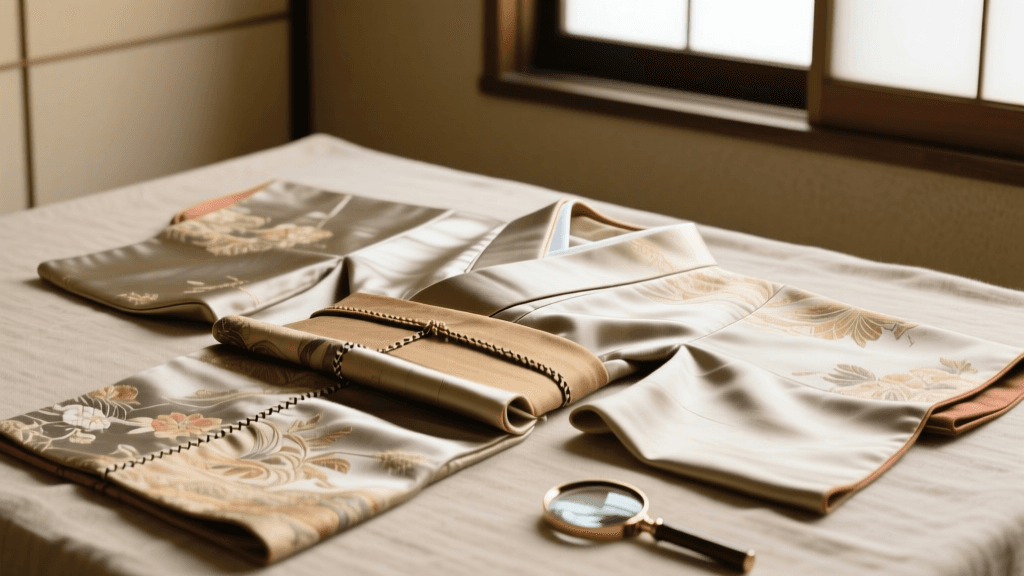
When you dress mindfully, you are forced to slow down. The geometry of traditional Japanese clothing requires a different relationship with the body than Western tailored garments. As noted by textile historians at the Victoria and Albert Museum, the kimono is constructed from straight, flat bolts of fabric (tanmono) without darts or curved seams. This means the garment does not conform to the body's shape; rather, the body must adapt to the garment's structure. This structural reality demands deliberate, measured movements, naturally slowing the practitioner's heart rate and encouraging the deep, diaphragmatic breathing essential for zazen.
Choosing Your Zazen Garment: 2026 Textile Trends
Selecting the appropriate garment for meditation is a deeply personal choice that depends on your environment, experience level, and sensory preferences. In 2026, the market for Zen meditation garments has heavily pivoted toward sustainable, organic textiles that offer superior breathability and tactile feedback. Below is a comparison of the most common garments used for mindful dressing and zazen practice today.
| Garment Type | 2026 Textile Trend | Meditation Suitability | Avg. Artisan Price (USD) |
|---|---|---|---|
| Samue (Monastic Work Wear) | Organic Kyoto Hemp-Cotton Blends | Excellent. Designed for mobility and seated work. The jacket and loose trousers allow for deep lotus or half-lotus postures without fabric tension. | $140 - $220 |
| Yukata (Casual Summer Kimono) | Textured Tsumugi (Pongee) Cotton | Very Good. Lightweight and breathable. The flat collar encourages a straight spine, though the narrow hem restricts wide leg crossing. | $90 - $160 |
| Komon Kimono (Everyday Silk) | Recycled Ahimsa (Peace) Silk | Good. The weight and rustle of the silk provide excellent auditory and proprioceptive feedback, though it requires advanced dressing skills. | $350 - $600 |
| Jinbei (Lounge Wear) | Woven Shijira-ori Cotton | Fair. Best for casual home meditation or hot climates. Lacks the formal structural support of a samue or kimono. | $60 - $95 |
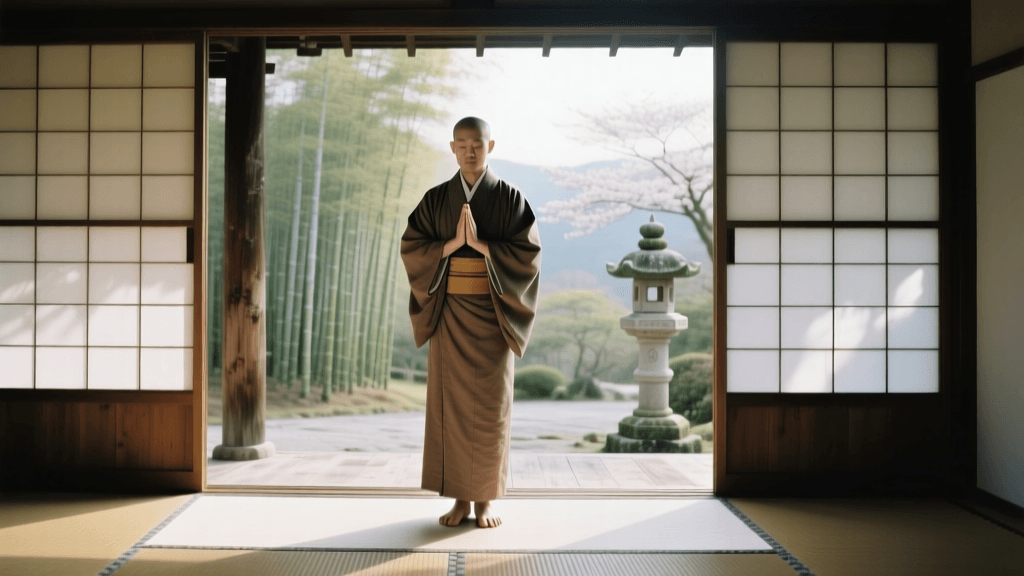
For serious practitioners in 2026, the samue remains the undisputed champion of zazen wear. Originally designed for samu (physical work like sweeping and farming around the temple), its loose trousers and tied jacket prevent the fabric from pulling at the shoulders when the hands are folded in the cosmic mudra (hokkai join).
The Anatomy of the Obi: A Breathing Anchor
The most profound moment of sartorial mindfulness occurs during the tying of the obi (the sash or belt). In Western clothing, a belt is a utilitarian afterthought. In Japanese tradition, the obi is the spiritual and physical center of gravity, located at the hara (the lower abdomen), which is considered the seat of the soul and the focal point of Zen breathing.
To transform the tying of the obi into a meditative anchor, practitioners in 2026 are adopting the following synchronized breathing ritual:
- The First Wrap (Inhale): Hold the obi against your hara. As you take a slow, deep breath in through the nose, wrap the fabric around your waist. Feel the texture of the woven threads against your fingertips.
- The Tension (Hold): Pause at the top of the inhale. Pull the fabric taut, ensuring it is snug enough to support your lower back but loose enough to allow your diaphragm to expand fully.
- The Knot (Exhale): As you exhale slowly through the mouth, cross the ends and tie the traditional square knot (musubi). The physical exertion of the knot should perfectly mirror the length of your exhalation.
- The Settling (Stillness): Once tied, place both hands over the knot at your hara. Take three natural breaths, feeling the rise and fall of the fabric. You are now physically and mentally bound to your practice.
This micro-ritual takes less than two minutes but effectively severs the mental tether to daily anxieties, signaling to the nervous system that it is time to sit.
Sourcing Authentic Zen Textiles in 2026
The 2026 textile market in Japan has seen a renaissance in artisanal, eco-conscious weaving, particularly in Kyoto's historic Nishijin district and the rural weaving villages of Ojiya. Modern practitioners are moving away from mass-produced synthetic blends, seeking out garments dyed with natural indigo (aizome) and woven from organic hemp (asa).
Natural indigo is highly prized in Zen circles not only for its deep, calming aesthetic but for its functional properties. Indigo-dyed cotton is naturally antibacterial, insect-repellent, and becomes softer and more fragrant with age and use. When sourcing a samue or meditation jacket, look for certifications from the Japan Traditional Crafts Association to ensure you are supporting authentic, multi-generational artisans rather than overseas imitations. A genuine, hand-loomed hemp samue from a Kyoto atelier is an investment piece that will mold to your body's specific meditation posture over decades of use.
Immersive Temple Stays: Experiencing Mindful Dressing
For those looking to fully immerse themselves in the intersection of garment rituals and Zen spirituality, booking a shukubo (temple lodging) in Japan remains the ultimate pilgrimage. In 2026, several prominent temples have introduced structured 'sartorial orientation' sessions prior to evening zazen, recognizing the demand from international visitors to understand the spiritual weight of the clothing they are provided.
According to the Japan National Tourism Organization, temple stays in regions like Fukui and Kyoto have seen a surge in popularity among wellness tourists. At Eihei-ji, the head temple of the Soto sect, the rigorous daily routine includes meticulous instructions on how to fold, store, and wear the okesa (the outer monastic robe) and samue. Guests learn that folding the garment is not merely about tidiness; it is an exercise in gratitude and spatial awareness. Similarly, at Shunkoin Temple in Kyoto, resident monks guide lay practitioners through the mindful transition from street clothes to temple garments, using the changing of the clothes as the official commencement of the silent meditation period.
Conclusion: Wearing Your Practice
Mindful dressing is not about aesthetic perfection or historical reenactment; it is about utilizing the physical properties of traditional Asian garments to anchor the wandering mind. Whether you are wrapping a simple cotton yukata in your living room or tying a hand-woven hemp obi in a centuries-old Kyoto temple, the ritual remains the same. In 2026, as the world grows increasingly digital and disembodied, the heavy, tactile, and deliberate nature of the kimono and samue offers a profound return to the physical self. By treating the act of dressing as the first step of your meditation, you ensure that your practice begins the moment you touch the fabric, long before you ever sit on the cushion.