Best Japanese Kimono Schools & Apprenticeships 2026
The Renaissance of Wafuku Education in 2026
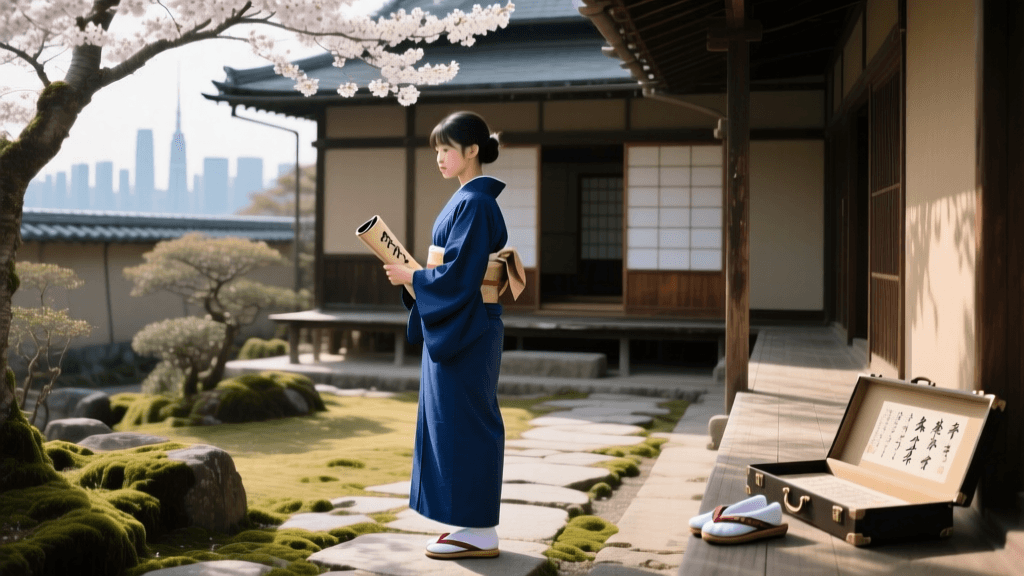
As we navigate through 2026, the global fascination with traditional Japanese garments—collectively known as wafuku—has reached an unprecedented zenith. Driven by a growing international appreciation for sustainable fashion, artisanal craftsmanship, and the deep cultural narratives woven into every silk thread, the demand for formally trained kimono artisans has surged. However, the aging population of master craftspeople in Japan has created an urgent need for a new generation of artisans. For international and domestic students alike, understanding the landscape of Japanese fashion education and the traditional apprenticeship system is critical for entering this revered field.
Whether you are drawn to the meticulous, Zen-like focus of Nishijin weaving or the vibrant, sensory explosion of Kaga Yuzen dyeing, the pathways to mastery in 2026 are more structured and accessible than ever before. This comprehensive guide explores the top educational institutions, the realities of the deshi (apprentice) system, and the practical steps to fund and secure your place in Japan's traditional garment industry.
Top Traditional Fashion Schools in Japan (2026 Intake)
Formal education offers a structured curriculum, blending historical theory with hands-on studio practice. In 2026, several premier institutions stand out for their dedication to traditional garment construction, textile arts, and preservation.
1. Bunka Fashion College (Tokyo)
While globally renowned for its avant-garde and contemporary fashion design programs, Bunka Fashion College maintains a deeply respected Department of Traditional Japanese Garments. In 2026, their specialized track focuses on the structural engineering of the kimono, the mathematics of the tanmono (standardized bolt of fabric), and modern applications of historical techniques. Students learn everything from basic wasai (Japanese sewing) to advanced shibori (tie-dyeing) and tsuzure-ori (tapestry weaving). The integration of 3D body scanning technology in 2026 allows students to map traditional flat-pattern drafting onto diverse, modern global body types without compromising the garment's structural integrity.
- Duration: 2 Years (Diploma)
- Estimated Annual Tuition (2026): 1,250,000 JPY
- Primary Focus: Kimono construction, pattern drafting, and historical textile preservation.
2. Kyoto College of Kimono and Fashion (Kyoto)
Located in the cultural heart of Japan, this institution is the premier destination for those specifically dedicated to the kimono trade. The curriculum is heavily intertwined with local Kyoto artisans. Students spend their first year mastering the art of dressing (kitsuke) and the cultural etiquette of wafuku, before specializing in either Yuzen dyeing, Nishijin weaving coordination, or kimono retail management. The school's 2026 syllabus places a heavy emphasis on the sensory experience of textiles, teaching students to evaluate silk quality through touch, sound, and the subtle scent of natural indigo and safflower dyes.
- Duration: 1 to 2 Years
- Estimated Annual Tuition (2026): 1,100,000 JPY
- Primary Focus: Kitsuke, Yuzen dyeing, textile coordination, and kimono business.
The Apprenticeship Route: Dentō Kōgei (Traditional Crafts)
For those seeking absolute mastery and the prestigious title of Dentō Kōgeishi (Master of Traditional Crafts), the formal school route is often supplemented or replaced by the traditional apprenticeship system. Recognized and supported by the Ministry of Economy, Trade and Industry (METI), these apprenticeships are grueling, deeply spiritual, and profoundly rewarding.
Nishijin Weaving Apprenticeships (Kyoto)
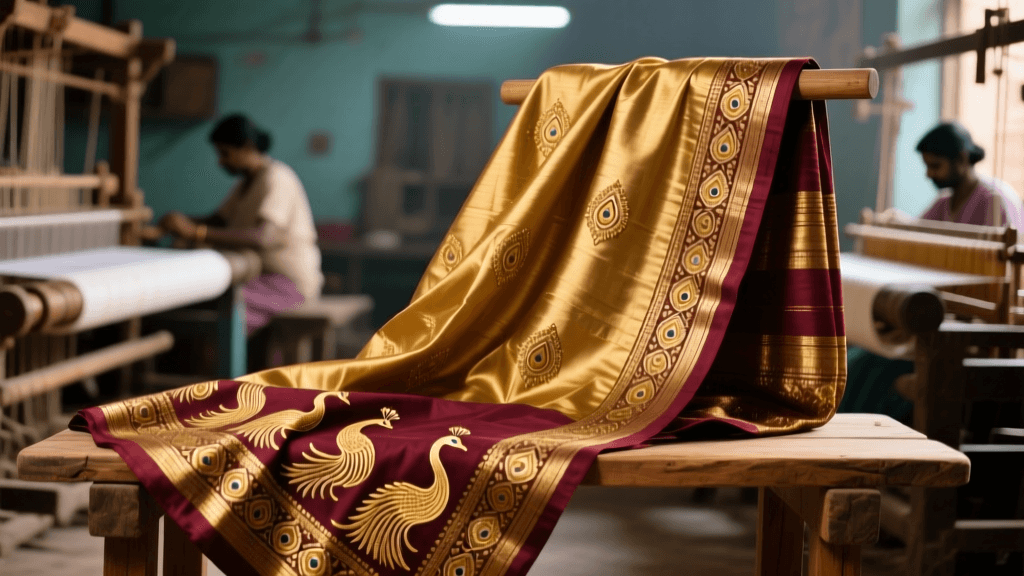
Nishijin-ori is characterized by its complex, multi-layered jacquard weaving and the use of pure gold and silver threads. Entering a Nishijin atelier as a deshi in 2026 requires immense patience. The first year is rarely spent at the loom. Instead, apprentices focus on the preparation of threads, the winding of bobbins (itomaki), and the meditative, repetitive tasks that build the muscle memory and Zen-like focus required to operate the massive, traditional wooden looms. The sensory environment of a Nishijin workshop is defined by the rhythmic, percussive clack of the wooden shuttles and the earthy smell of sized silk threads.
Kaga Yuzen Dyeing Ateliers (Kanazawa)
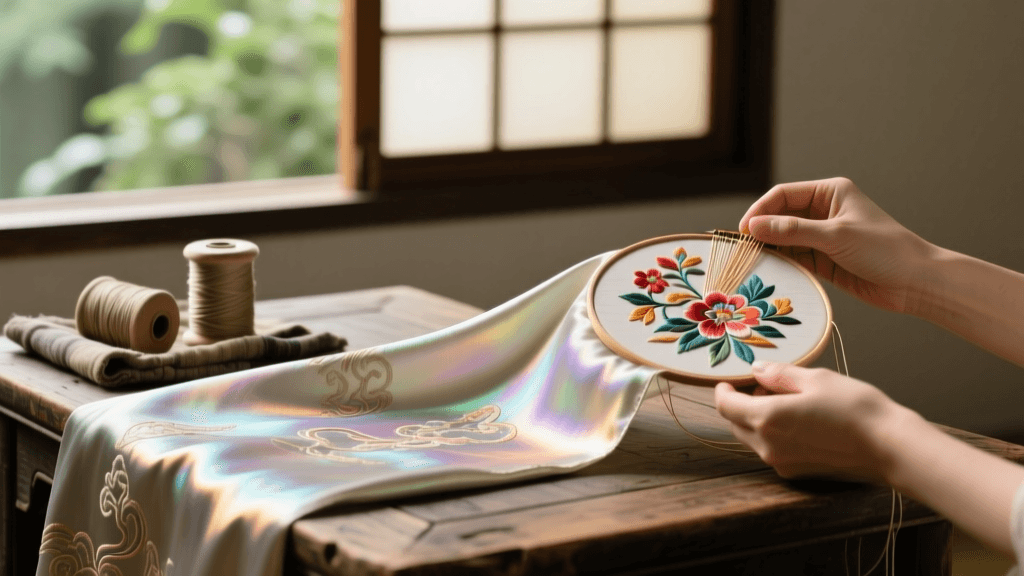
Kaga Yuzen is famous for its pictorial, highly realistic designs inspired by nature, utilizing a specific palette of five colors (kaga gosai). Apprenticeships here are highly sensory. A deshi must learn to mix natural dyes, control the humidity of the studio to prevent the rice-paste resist (norime) from cracking, and master the bokashi (gradation) technique using delicate brushes. The physical toll is significant, as apprentices spend hours hunched over damp silk stretched tightly on bamboo frames, but the resulting mastery over color and water flow on fabric is unparalleled.
Comparison: Schools vs. Apprenticeships in 2026
Choosing between a formal academic environment and a traditional atelier depends on your career goals, financial situation, and language proficiency. Below is a comparative breakdown of the two primary pathways available in 2026.
| Pathway | Location | Duration | Est. Annual Cost (2026) | Primary Focus | JLPT Requirement |
|---|---|---|---|---|---|
| Bunka Fashion College | Tokyo | 2 Years | 1,250,000 JPY (Tuition) | Construction, Pattern Drafting | N2 (Recommended) |
| Kyoto Kimono Gakuin | Kyoto | 1-2 Years | 1,100,000 JPY (Tuition) | Kitsuke, Dyeing, Business | N2 (Required) |
| Nishijin Weaving Deshi | Kyoto | 3-5 Years | Stipend-based (Low pay) | Loom Operation, Thread Prep | N1 (Required) |
| Kaga Yuzen Dyeing Deshi | Kanazawa | 3-5 Years | Stipend-based (Low pay) | Resist Dyeing, Brushwork | N1 (Required) |
How to Apply as an International Student in 2026
Navigating the Japanese immigration and educational system requires meticulous preparation. For the 2026 academic and fiscal year, the following steps are mandatory for international applicants.
1. Language Proficiency
While some fashion schools in Tokyo offer introductory modules in English, true mastery of traditional Japanese garments requires fluency in highly specialized, archaic terminology. The Japanese Language Proficiency Test (JLPT) N2 is the absolute minimum for school admission, while N1 is virtually mandatory for securing an apprenticeship in a traditional Kyoto or Kanazawa atelier. Master artisans do not speak English, and the nuances of a master's verbal corrections regarding silk tension or dye viscosity are easily lost in translation.
2. Visa Categories
Students enrolling in Bunka or the Kyoto College of Kimono will apply for a standard Student Visa, sponsored by the educational institution. However, those who secure a direct apprenticeship with a recognized master artisan must apply for the Designated Activities Visa (specifically the traditional arts/crafts category) or a Working Visa if the atelier is large enough to sponsor them as an employee. In 2026, METI has streamlined the Designated Activities visa process for foreign nationals accepted into certified Dentō Kōgei preservation programs to combat the artisan shortage.
3. Portfolio and Practical Examinations
Apprenticeships are rarely advertised on job boards. Securing a position requires networking, attending local craft exhibitions (tenjikai), and presenting a portfolio. For dyeing apprenticeships, your portfolio should demonstrate an understanding of color theory, watercolor painting, and fabric manipulation. For weaving, demonstrating patience, mathematical precision, and a history of meticulous, repetitive craftwork is more valuable than flashy design portfolios.
Funding and Scholarships for 2026
The financial burden of studying in Japan can be significant, but 2026 offers several robust funding avenues specifically targeted at traditional arts and international students.
- JASSO Scholarships: The Japan Student Services Organization (JASSO) provides monthly stipends (typically 48,000 JPY) for privately financed international students enrolled in recognized fashion and cultural schools. Applications must be routed through your host institution.
- METI Successor Grants: The Ministry of Economy, Trade and Industry offers specific grants for workshops that take on apprentices to ensure the survival of designated traditional crafts. While this money goes to the master, it ensures the apprentice receives a livable stipend rather than working entirely for free.
- Local Municipal Grants: Cities like Kyoto and Kanazawa offer municipal housing subsidies for young artisans and apprentices relocating to historic preservation districts, significantly lowering the cost of living in these expensive cultural hubs.
The Zen Philosophy of the Atelier
To succeed in Japanese fashion education, one must embrace the philosophical underpinnings of the craft. The creation of a kimono is not merely a manufacturing process; it is a spiritual discipline. In the weaving ateliers of Nishijin, the concept of shokunin kishitsu (artisan spirit) dictates that the maker must surrender their ego to the material. The silk dictates the tension; the humidity dictates the dye.
Students in 2026 are taught that the imperfections in hand-woven tsumugi (pongee) silk or the slight bleeding of natural indigo are not flaws, but the physical manifestation of the human hand and the natural world interacting. This Zen approach to materiality is what separates a true Japanese garment artisan from a standard textile manufacturer. It requires a slowing down of the mind, a deep respect for the lifecycle of the silkworm, and an acceptance that true mastery is a lifelong pursuit that extends far beyond the walls of any classroom.
Conclusion
The year 2026 represents a critical juncture for traditional Japanese fashion. As global interest peaks and domestic artisan numbers wane, the doors to Kyoto's dyeing studios and Tokyo's fashion academies are open wider than they have been in decades. Whether you choose the structured, comprehensive environment of Bunka Fashion College or the grueling, deeply spiritual path of a Nishijin weaving apprenticeship, the commitment to preserving wafuku is a commitment to preserving a vital piece of human cultural heritage. By preparing your language skills, securing the proper funding, and embracing the meticulous, sensory-rich reality of the atelier, you can become a vital thread in the continuing tapestry of Japanese garment history.