Kimono Education 2026: Kyoto Apprenticeships vs Tokyo Schools
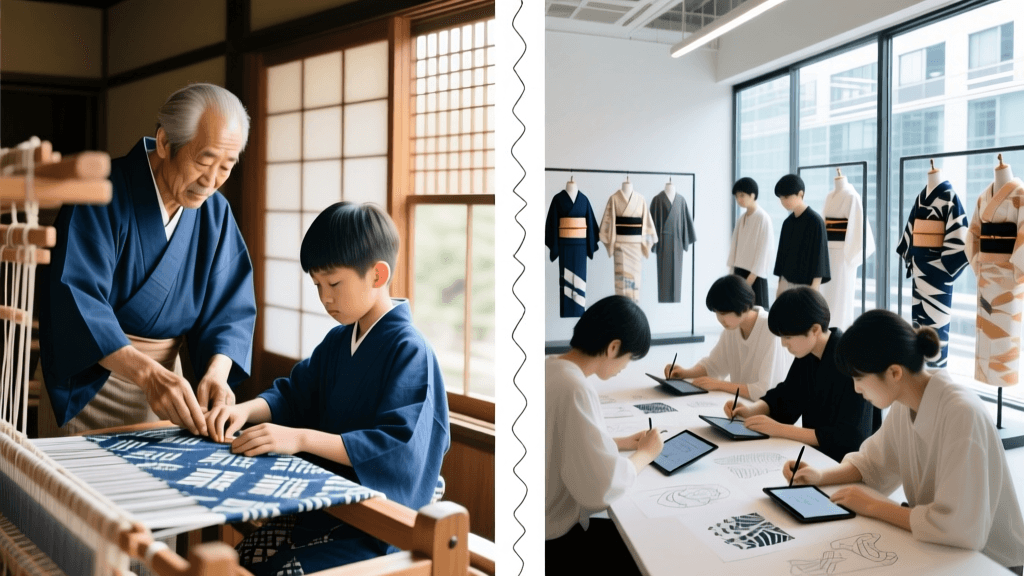
The landscape of Japanese traditional garment education has undergone a profound transformation by 2026. As global interest in sustainable, artisanal fashion reaches new heights, the preservation and evolution of the kimono and its underlying textile arts are more critical than ever. For aspiring designers, textile artists, and cultural preservationists, Japan offers two distinct educational pathways: the ancient, immersive shokunin (artisan) apprenticeships in Kyoto, and the cutting-edge, institutional fashion schools in Tokyo. Understanding the nuances, costs, and career trajectories of these two routes is essential for anyone looking to master Japanese fashion traditions in 2026.
The Kyoto Shokunin Apprenticeship Model
In Kyoto, the preservation of traditional garments is not merely an academic pursuit; it is a way of life governed by the shokunin spirit. The apprenticeship model, often referred to as the deshi system, places the student directly into the atelier of a master artisan. In 2026, this system remains the gold standard for mastering hyper-specialized techniques such as Nishijin-ori (brocade weaving) and Kyo-Yuzen (resist dyeing).
The Sensory Experience of the Atelier
Unlike modern classrooms, a Kyoto atelier is a deeply sensory environment. Apprentices learning Kyo-Yuzen dyeing are taught to rely on their olfactory and tactile senses. They must learn the precise, earthy scent of fermenting indigo (sukumo) and the exact viscosity of rice paste resist by touch. In Nishijin weaving, the education is auditory and rhythmic. Master weavers teach apprentices to listen to the clack of the Jacquard loom, identifying tension issues or broken silk warp threads purely by the change in the machine's acoustic resonance. In 2026, some progressive ateliers have even begun using acoustic sensors paired with traditional mentorship, allowing apprentices to visualize the 'rhythm' of the loom on tablets while still relying on their ears and hands to correct the tension.
Financials and Lifestyle in 2026
Historically, apprentices endured years of unpaid labor. However, due to aggressive government interventions and cultural preservation grants active in 2026, most recognized Kyoto ateliers now offer a living stipend. Apprentices can expect to earn between 150,000 and 180,000 JPY per month. While modest, this covers basic living expenses in Kyoto's outer wards. The commitment is steep: apprenticeships typically demand a minimum of five to seven years of dedicated, full-time study before one is recognized as an independent journeyman.
Tokyo’s Institutional Fashion Schools
For those seeking a broader design education that bridges traditional Japanese garments with global fashion markets, Tokyo's institutional schools are the premier choice. Institutions like Bunka Fashion College have heavily updated their 2026 curricula to integrate traditional textile manipulation with 3D digital pattern-making and sustainable material science.
Curriculum and Global Networking
Tokyo fashion schools approach the kimono not just as a historical artifact, but as a masterclass in zero-waste pattern cutting, modular design, and advanced draping. Students spend their first year mastering the fundamentals of garment construction, Japanese fashion history, and traditional sewing techniques (wasai). By their second and third years, they are encouraged to deconstruct and innovate, applying Kyo-Yuzen dyeing techniques to modern sustainable fabrics or utilizing Nishijin weaving principles in contemporary streetwear.
The institutional route offers unparalleled networking. Graduates in 2026 are heavily recruited by both heritage Japanese brands and international luxury houses looking for artisans who understand the intersection of traditional Asian textiles and modern luxury. The tuition for these prestigious programs averages around 1,650,000 JPY per year, a significant investment that is often offset by the robust scholarship programs available to international and domestic students.
Academic Bridges in Kyoto
It is worth noting that Kyoto also hosts institutional options that bridge the gap between pure apprenticeship and modern academia. Universities such as the Kyoto University of the Arts offer specialized degrees in traditional crafts, providing a structured academic environment while still facilitating hands-on workshops with local master artisans. This hybrid model is increasingly popular in 2026 for students who want a recognized university degree alongside artisanal skills.
Comparison: Apprenticeship vs. Fashion School
To help you decide which educational pathway aligns with your career goals, below is a detailed comparison of the Kyoto apprenticeship model and the Tokyo fashion school route as of 2026.
| Feature | Kyoto Shokunin Apprenticeship | Tokyo Fashion School (e.g., Bunka) |
|---|---|---|
| Duration | 5 to 7 years (full-time immersion) | 2 to 4 years (depending on degree/diploma) |
| Financial Model | Earns a stipend (150k-180k JPY/month) | Pays tuition (~1.65M JPY/year) |
| Curriculum Focus | Deep mastery of one specific technique (e.g., weaving or dyeing) | Broad design skills, pattern making, fashion business, and innovation |
| Primary Visa Type | Cultural Activities or Designated Activities | Student Visa (Ryugaku) |
| Language Requirement | JLPT N2 or N1 (Business/Artisanal fluency) | JLPT N2 (or TOEFL for specific English tracks) |
| Career Outcome | Master Artisan, Heritage Brand Specialist, Independent Atelier Owner | Fashion Designer, Creative Director, Textile Innovator, Brand Manager |
Actionable Steps for Aspiring Students in 2026
Navigating the application and relocation process for Japanese fashion education requires meticulous planning. Whether you are aiming for a dusty, indigo-scented atelier in Kyoto or a high-tech design studio in Tokyo, follow these actionable steps to secure your placement.
1. Master the Language and Cultural Nuance
While some Tokyo schools offer English-track introductory courses, true mastery of traditional Japanese garments requires deep linguistic comprehension. The terminology used in wasai (Japanese sewing) and textile dyeing is highly specialized and rarely translated accurately. Aim to pass the JLPT N2 at an absolute minimum before applying. For Kyoto apprenticeships, N1 is practically mandatory, as you will need to understand the subtle, often indirect feedback given by master artisans.
2. Build a Material-Centric Portfolio
When applying to either an apprenticeship or a top-tier fashion school in 2026, your portfolio must demonstrate an understanding of materials, not just sketching ability. Include physical swatches of your natural dyeing experiments, documentation of your weaving or embroidery attempts, and detailed essays on the structural geometry of the kimono. Schools and masters want to see that you respect the physical labor and sensory experience of textile creation.
3. Navigate the Visa Pathways
Your educational choice will dictate your immigration status. According to the Immigration Services Agency of Japan, students enrolled in accredited fashion colleges will apply for a standard 'Student' visa, which allows for part-time work up to 28 hours a week. Conversely, those entering a traditional Kyoto apprenticeship often utilize the 'Cultural Activities' visa, which is strictly for unpaid or stipend-based study of traditional Japanese arts and does not permit outside part-time employment. Ensure your sponsoring atelier or school is fully registered to issue the necessary Certificate of Eligibility (COE).
4. Secure Funding and Scholarships
For the Tokyo school route, investigate the MEXT (Ministry of Education, Culture, Sports, Science and Technology) scholarship programs, as well as private endowments specifically created to foster international interest in Japanese fashion design. For the Kyoto route, look into the Japan Foundation's fellowship programs or specific municipal grants offered by the Kyoto Prefectural Government designed to attract young, dedicated artisans to the region's aging craft sectors.
Conclusion
The education of traditional Japanese garments in 2026 is a tale of two cities and two philosophies. Kyoto offers the profound, slow-burn mastery of the shokunin, demanding years of sensory immersion and physical dedication to a single craft. Tokyo offers a dynamic, institutional approach that honors the kimono's structural genius while pushing its boundaries into the future of global fashion. By understanding the financial, academic, and cultural requirements of both paths, you can choose the journey that will best allow you to contribute to the rich, ongoing tapestry of Asian fashion traditions.