Best Kyoto Shibori & Kimono Tailoring Masterclasses 2026
The 2026 Renaissance of Heritage Garment Making
The year 2026 has marked a watershed moment for traditional Asian textile arts. As the global fashion industry pivots aggressively toward sustainability and zero-waste methodologies, the ancient techniques of Japanese garment making have transitioned from niche historical studies to highly sought-after masterclasses. For artisans, designers, and cultural enthusiasts, attending a dedicated Kyoto shibori and kimono tailoring workshop is no longer just a historical excursion; it is an immersion into a living, breathing system of sustainable design.
Unlike Western tailoring, which relies on complex curved patterns and significant fabric waste, traditional kimono construction utilizes a straight-line cutting method from a single bolt of fabric known as a tanmono. This zero-waste philosophy, combined with the resist-dyeing artistry of shibori, represents the pinnacle of eco-conscious craftsmanship. According to the UNESCO Intangible Cultural Heritage guidelines, preserving these traditional craftsmanship techniques is vital for maintaining cultural diversity and fostering sustainable economic practices in local artisan communities.
Why Attend a Masterclass in 2026?
The 2026 cohort of workshops has been specifically redesigned to bridge the gap between ancient Edo-period techniques and modern artisanal needs. Whether you are a bespoke fashion designer looking to integrate Japanese joinery into your collections, or a dedicated hobbyist seeking to construct your first authentic yukata, this year's seminars offer unprecedented access to master dyers and tailors.
Furthermore, the Japan National Tourism Organization has heavily subsidized several heritage craft initiatives in 2026, making these once-exclusive guild seminars more accessible to international students. Participants now benefit from multilingual instruction, digital pattern archives, and modernized studio spaces that honor traditional workflows while accommodating contemporary learning styles.
Core Techniques Taught in Modern Seminars
A comprehensive 2026 kimono and shibori masterclass is typically divided into two distinct phases: textile manipulation (dyeing) and garment construction (tailoring).
Phase 1: Shibori Resist Dyeing
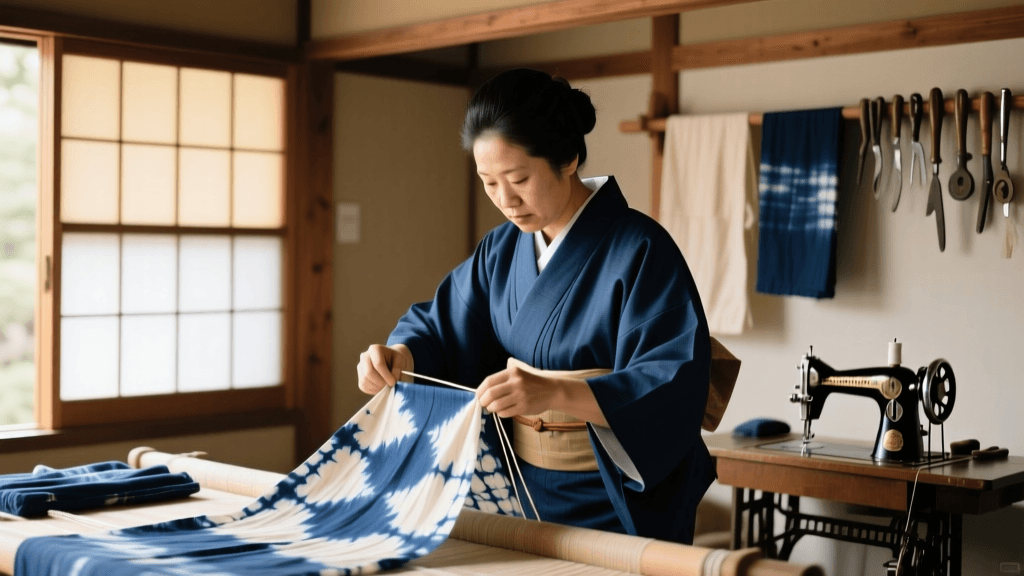
Shibori is often mistakenly reduced to simple tie-dye in the West. In a Kyoto masterclass, you will learn the meticulous, mathematically precise art of shaping and binding fabric to create intricate patterns. Key techniques covered in 2026 seminars include:
- Kanoko Shibori: The classic binding technique where small, precise tufts of fabric are tied with thread before dyeing, creating delicate, dot-like patterns reminiscent of fawn spots.
- Miura Shibori: A looped binding method that uses a specialized hooked needle to pull up tiny sections of fabric, resulting in a flowing, water-like texture.
- Arimatsu Shibori: Originating from the historic Arimatsu district, this involves complex folding and clamping techniques to produce striking geometric and nature-inspired motifs.
Phase 2: Straight-Line Tailoring (Wasai)
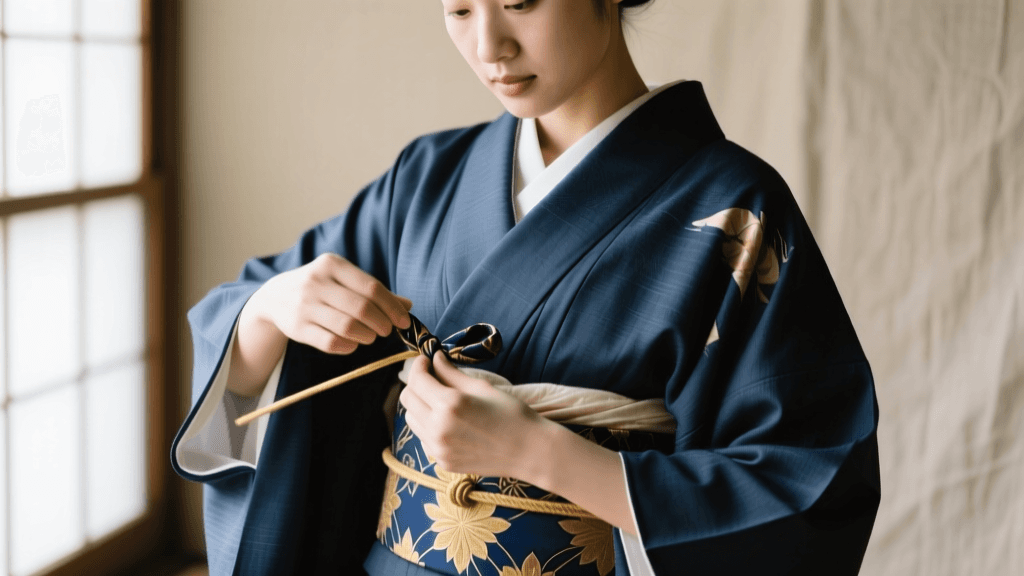
The construction phase, known as wasai, focuses on the precise cutting, basting, and sewing of the tanmono. Students learn the sacred geometry of the kimono, where every panel—the migoro (body), sode (sleeves), eri (collar), and okumi (overlapping front panels)—is cut in straight lines. The 2026 curriculum heavily emphasizes the shitsuke (basting) process, teaching students how to use temporary stitching to ensure perfect alignment before the final, nearly invisible silk stitching is applied.
'The beauty of the kimono lies not just in the silk, but in the tension of the thread and the respect for the woven bolt. We do not cut the fabric to fit the body; we drape the fabric to honor the weave.' — Master Artisan Kenjiro Sato, Kyoto Textile Guild, 2026 Spring Symposium.
2026 Workshop Formats and Pricing Guide
To accommodate global demand, Kyoto's premier craft institutions have rolled out three distinct learning formats for 2026. Below is a comparison of the current workshop structures, durations, and associated costs.
| Workshop Format | Duration | Focus Area | 2026 Estimated Cost (USD) |
|---|---|---|---|
| Intensive In-Person Residency | 14 Days | Full Kimono Construction & Natural Indigo Dyeing | $2,800 - $3,500 |
| Weekend Artisan Seminar | 3 Days | Yukata Tailoring & Basic Kanoko Shibori | $650 - $850 |
| Hybrid Virtual Masterclass | 8 Weeks (Online) | Digital Pattern Drafting & At-Home Stitching | $400 - $550 |
Note: In-person tuition typically includes the cost of the silk tanmono, natural dyes, and studio access, but excludes accommodation and flights. Virtual students receive a curated material kit shipped internationally prior to the start date.
Essential Toolkit: Traditional vs. 2026 Standards
While the core philosophy of Japanese tailoring remains unchanged, the tools provided in 2026 workshops have seen subtle, ergonomic upgrades to assist modern students. When registering for a seminar, you will be provided with a specialized toolkit. Here is what to expect:
| Tool / Material | Traditional Variant | 2026 Workshop Standard | Replacement Cost (USD) |
|---|---|---|---|
| Tanmono (Fabric Bolt) | Hand-woven Tango Chirimen | Pre-washed, digitally color-mapped Chirimen | $250 - $400 |
| Sewing Needles (Hari) | Hand-forged Carbon Steel | Ergonomic Titanium-Coated Heritage Needles | $15 - $30 |
| Indigo Dye (Ai) | Fermented Sukumo | Temperature-Stabilized Bio-Indigo Kits | $45 - $80 |
| Basting Thread (Shitsuke Ito) | Untwisted Cotton | Biodegradable Tencel Blend | $10 - $15 |
| Marking Ink (Shirushi) | Soy-based Charcoal Ink | Water-Soluble UV-Reactive Tracing Pens | $12 - $20 |
How to Prepare for Your 2026 Masterclass
Securing a spot in a prestigious Kyoto workshop requires advance planning, as the 2026 spring and autumn cohorts frequently sell out months in advance. Follow this actionable checklist to ensure you are fully prepared:
- Master the Basic Stitches: Before arriving, practice the hon-geshi (main backstitch) and chikushi (blind stitch) on scrap cotton. While instructors will teach you, arriving with muscle memory for straight-line hand sewing will accelerate your progress.
- Understand Fabric Grain: Familiarize yourself with the concepts of warp and weft in woven silks. Japanese tailoring relies entirely on the grainline for drape and structural integrity; cutting off-grain is considered a critical error.
- Arrange Specialized Visas: For the 14-day intensive residencies, ensure your travel documentation aligns with Japan's 2026 cultural exchange visa waivers. Many recognized craft schools now provide automated sponsorship letters upon tuition payment.
- Invest in Proper Seating: Traditional tailoring often involves sitting on tatami mats or low stools. Incorporate daily stretching and core-strengthening exercises into your routine a month before the workshop to prevent back fatigue during long sewing sessions.
The Future of Heritage Craftsmanship
The 2026 masterclasses in Kyoto represent more than just an opportunity to learn how to sew a beautiful garment. They are a vital link in the chain of cultural transmission. By participating in these seminars, international students provide the economic support necessary for master artisans to pass down their knowledge to the next generation. Whether you are binding your first piece of silk for shibori or executing the final, invisible stitch on a kimono collar, you are actively participating in the preservation of one of Asia's most profound and enduring sartorial traditions.