Top 2026 Sashiko & Boro Workshops For Japanese Garment Making
The Renaissance of Japanese Workwear: Why 2026 is the Year of Boro
In 2026, the global slow fashion movement has fully embraced the Japanese philosophy of mottainai (a sense of regret concerning waste). At the forefront of this textile revolution are Boro (mending and patching) and Sashiko (functional quilting), two deeply intertwined techniques historically used to extend the life of traditional Japanese workwear. Today, learning these techniques is no longer just about repair; it is about constructing heritage garments like the Samue (monk's workwear) and Noragi (farmer's jacket) from scratch using sustainable, zero-waste pattern drafting.
For textile enthusiasts, fashion students, and sustainable designers, attending a dedicated workshop or seminar is the most authentic way to master these techniques. The Japanese government continues to heavily support these educational initiatives. According to the Ministry of Economy, Trade and Industry (METI), the designation and preservation of traditional craft products remain a national priority, leading to a surge in government-subsidized artisan seminars open to international students in 2026.
Understanding the Garments: Samue and Noragi
Before enrolling in a seminar, it is crucial to understand the garments you will be studying. Unlike Western tailoring, which relies on curved seams and complex darts to contour the body, traditional Japanese garment making utilizes chokusen-dachi (straight-line cutting). This method respects the integrity of the woven fabric, leaving no scraps behind.
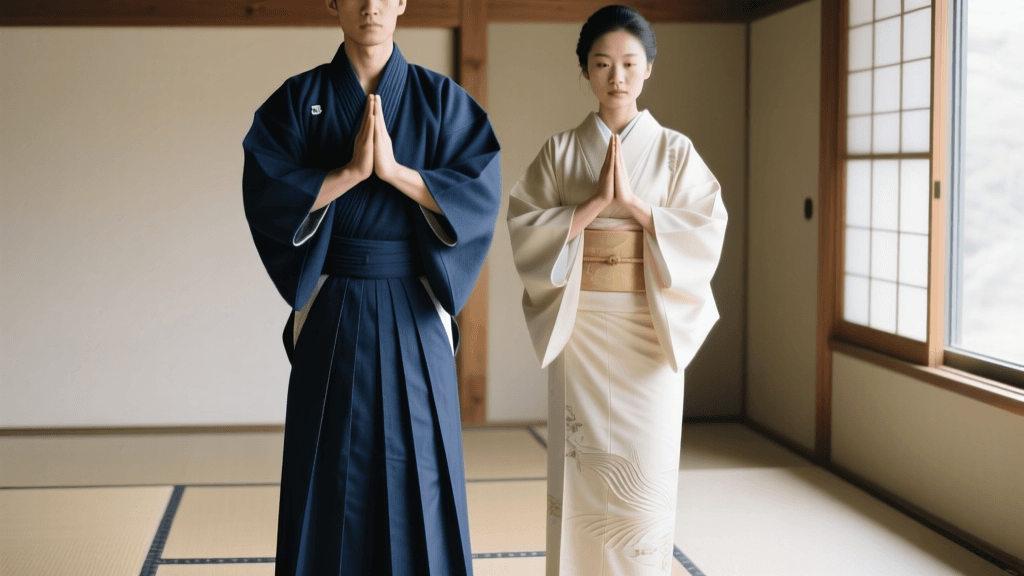
- Samue: Originally worn by Zen Buddhist monks for daily chores, the Samue consists of a wrap-style jacket and loose, ankle-tied trousers. Workshops often focus on heavy-weight hemp or indigo-dyed cotton, utilizing Sashiko stitching to reinforce the shoulders and knees.
- Noragi: The traditional farmer's coat. Noragi workshops heavily emphasize Boro techniques, teaching students how to layer scrap fabrics and bind them with complex Sashiko patterns to create windproof, insulated outerwear.
Top In-Person Seminars in Kyoto and Tokyo
The Kyoto Artisan Heritage Retreats
Kyoto remains the undisputed heart of Japanese textile arts. In 2026, several heritage workshops in the Nishijin district offer intensive, two-week immersive seminars. These programs typically begin with Aizome (natural indigo dyeing), where students cultivate their own organic indigo vats and dye raw cotton yarns before weaving and cutting their Samue. The tactile experience of working in a centuries-old machiya (traditional wooden townhouse) provides unparalleled context to the rhythm of hand-stitching. For travelers planning an educational craft tour, the Japan National Tourism Organization (JNTO) offers excellent resources on navigating regional craft hubs and securing translation-assisted artisan apprenticeships.
Tokyo Urban Slow Fashion Labs
For those who prefer a modern, urban environment, Tokyo's fashion districts like Harajuku and Daikanyama host weekend 'Slow Fashion Labs.' These seminars bridge the gap between ancient Boro techniques and contemporary streetwear. Students learn how to deconstruct vintage denim and reconstruct it into modern Noragi silhouettes using high-tension Sashiko threads. These labs are perfect for fashion design students looking to integrate heritage mending into modern capsule collections.
Virtual and Hybrid Masterclasses for Global Students
Not everyone can travel to Japan for a month-long retreat. Fortunately, 2026 has seen a massive improvement in hybrid learning environments. High-definition, multi-camera setups and augmented reality (AR) thread-tension guides now allow global students to learn authentic Sashiko from their living rooms.
Platforms led by recognized masters, such as the methodologies detailed by Upcycle Stitch, provide comprehensive digital curriculums. These virtual seminars ship physical 'Boro Kits' to your door—containing pre-scored indigo fabrics, authentic needles, and silk thimbles—before you even log into your first live-streamed drafting session. This hybrid model ensures that the physical touch of the materials is paired with expert, real-time feedback on your stitch length and rhythm.
2026 Workshop Comparison Chart
Choosing the right seminar depends on your budget, schedule, and ultimate garment goals. Below is a comparison of the three primary workshop formats available this year.
| Workshop Format | Duration | Estimated Cost (2026 USD) | Garment Focus | Skill Level |
|---|---|---|---|---|
| Kyoto Immersive Retreat | 14 Days | $4,500 - $6,200 | Full Samue Set (Jacket & Trousers) | Intermediate to Advanced |
| Tokyo Urban Weekend Lab | 2 Days | $450 - $800 | Modern Noragi / Upcycled Jackets | All Levels |
| Virtual Hybrid Masterclass | 8 Weeks (Online) | $600 - $950 | Boro Textiles & Sashiko Accessories | Beginner Friendly |
Essential Toolkit: What to Buy Before Your Seminar
While most in-person seminars provide materials, serious students often prefer to curate their own toolkit to practice between sessions. If you are enrolling in a virtual class, you will need to source these items independently. The precision of your tools directly impacts the quality of your Sashiko stitching.
1. Sashiko-Bari (Needles)
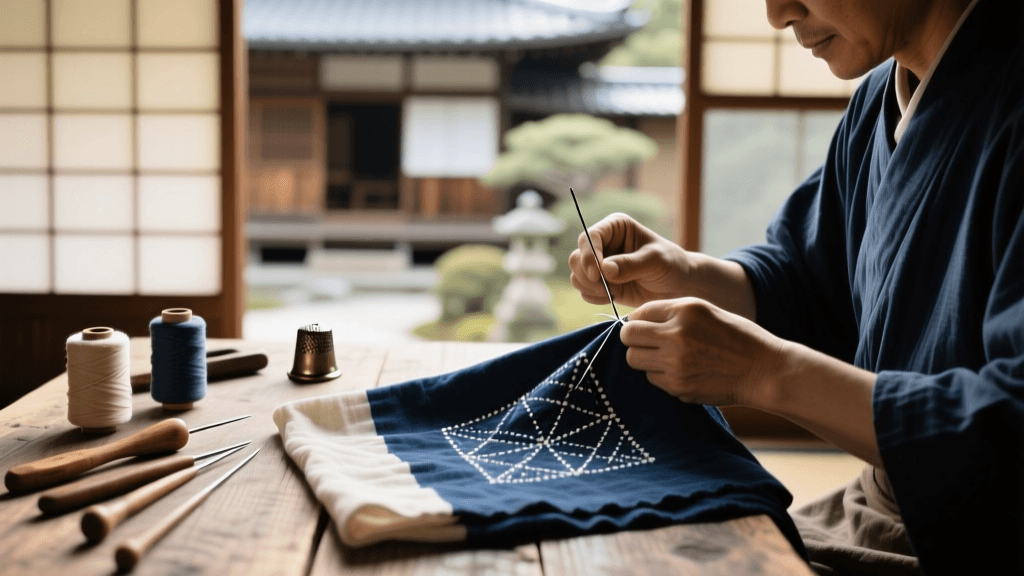
Unlike standard sewing needles, Sashiko needles are exceptionally long and rigid, with large, easy-to-thread eyes. This length allows the artisan to load multiple stitches onto the needle before pulling the thread through, a technique known as unryu (cloud dragon) stitching. In 2026, carbon-steel needles forged in Hiroshima remain the gold standard for piercing heavy, multi-layered Boro textiles.
2. Yubinuki (Thimble)
Western thimbles cap the fingertip, but the Japanese yubinuki is a ring worn around the base of the finger or the palm of the hand. Traditional yubinuki are crafted from tightly wound silk thread over a washi paper core. Learning to push the long Sashiko needle using the padded side of your hand rather than your fingertip is a core lesson in any reputable seminar, preventing severe hand fatigue during long hours of quilting.
3. Sashiko-Ito (Thread)
Sashiko thread is matte, heavily twisted, and lacks the sheen of embroidery floss. It is designed to bind layers of fabric together, creating structural integrity rather than mere decoration. For Boro workwear, students must learn to select the correct thread thickness (ranging from thin to extra-thick) to match the weight of their indigo-dyed cotton or hemp base fabric.
Mastering the Stitch: Moyouzashi vs. Hitomezashi
A comprehensive 2026 seminar will divide the curriculum into the two primary schools of Sashiko stitching. Understanding the difference is vital for traditional garment construction.
Moyouzashi (Pattern Sashiko): This technique involves drawing intricate, interlocking geometric patterns—such as the Seigaiha (ocean waves) or Asanoha (hemp leaf)—onto the fabric before stitching. It requires meticulous mathematical drafting and is primarily used for decorative reinforcement on the back panels of Noragi jackets.
Hitomezashi (One-Stitch Sashiko): Originating from the Shonai region, this style relies on a simple grid system. The patterns emerge organically through the alternation of single stitches on the front and back of the fabric. It is highly structural, creating a dense, insulated fabric perfect for the collars and cuffs of winter workwear.
Final Thoughts on Preserving Heritage
Attending a Boro and Sashiko workshop in 2026 is an act of cultural preservation. As automated, mass-produced fashion continues to dominate the global market, the deliberate, meditative act of hand-stitching a Samue or Noragi connects you to centuries of Japanese agrarian history. Whether you choose a serene Kyoto retreat or a high-tech virtual masterclass, the skills you acquire will fundamentally change how you view, wear, and repair your wardrobe for the rest of your life.