Martial Arts vs Tea Ceremony Hakama: A Complete Guide
The Historical Convergence of Budo and Chado
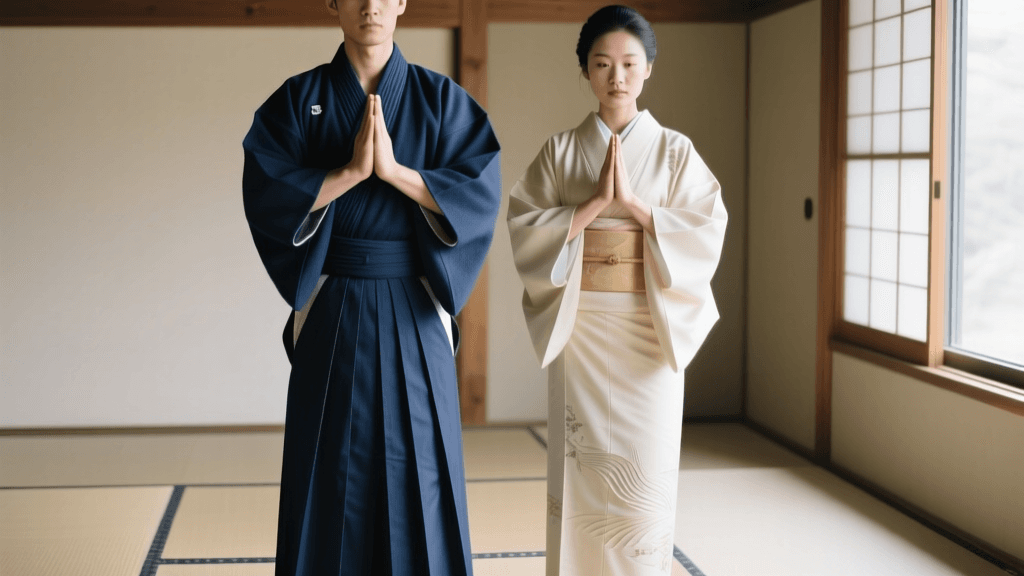
The hakama, a traditional Japanese pleated trouser-skirt, is a garment that transcends mere clothing. It is a physical manifestation of discipline, respect, and cultural heritage. While modern observers often associate the hakama exclusively with martial arts (Budo) or graduation ceremonies, its roots trace back to the Heian period (794-1185) when it was worn by court nobles and samurai as a symbol of status and martial readiness. According to The Metropolitan Museum of Art, the evolution of Japanese dress was heavily influenced by the samurai class, who required garments that allowed for both rigorous physical movement and dignified courtly appearances. Today, the hakama remains a vital uniform in two seemingly disparate but philosophically linked disciplines: the dynamic world of martial arts (such as Kendo, Aikido, and Iaido) and the tranquil, highly choreographed realm of the traditional tea ceremony (Chado or Sado). Understanding the functional and aesthetic differences between a martial arts hakama and a tea ceremony hakama is essential for practitioners, collectors, and enthusiasts of Asian traditional garments.
Anatomy of the Hakama: More Than Just Trousers
Before distinguishing between the disciplines, one must understand the standard anatomy of the garment. A traditional formal hakama features seven deep pleats: five in the front and two in the back. These pleats are widely interpreted to represent the seven virtues of Bushido (the samurai code): Jin (benevolence), Gi (justice), Rei (courtesy), Chi (wisdom), Shin (sincerity), Chu (loyalty), and Ko (filial piety). The garment is secured by four himo (ties)—two long front ties and two shorter back ties. At the lower back sits the koshita, a rigid or semi-rigid trapezoidal backboard that supports the lumbar spine and ensures the garment sits flush against the wearer's back. However, the materials, stiffness, and construction of these elements vary wildly depending on whether the wearer is stepping onto a dojo mat or sliding into a tatami tea room.
Martial Arts Hakama (Budo): Built for Combat and Movement
In the realm of Budo, the hakama is subjected to extreme physical stress. It must withstand grappling, rapid footwork, and the friction of wooden floors or tatami mats. The All Japan Kendo Federation maintains strict guidelines on the appearance and dignity of the kendo uniform, emphasizing that the hakama must project a sharp, unwrinkled silhouette that does not impede the swift execution of strikes.
Fabric Choices for the Dojo
- Heavyweight Cotton (Indigo Dyed): The gold standard for traditional Kendo and Aikido. Indigo-dyed cotton is breathable, highly durable, and develops a unique patina over time. However, it requires meticulous care to prevent excessive shrinking and color bleeding. Cost: $90 - $160.
- Tetron (Polyester/Rayon Blend): A modern synthetic blend favored by Iaido practitioners and beginners. Tetron is lightweight, resists wrinkling, holds its pleats permanently, and is machine washable. It lacks the heavy drape of cotton but is highly practical. Cost: $40 - $75.
- Non-Stiff Aikido Hakama: Many Aikido hakama omit the rigid koshita backboard or use a soft, flexible rubber alternative to prevent injury during ukemi (breakfalls) and ground grappling.
Tea Ceremony Hakama (Chado): The Pinnacle of Quiet Elegance
While martial arts demand durability, the tea ceremony demands quiet elegance, subtlety, and a deep respect for the host and the tea room environment. According to the Urasenke Global Headquarters, one of the largest and most influential schools of Japanese tea ceremony, the attire of the practitioner must never distract from the spiritual and aesthetic experience of the gathering. For male practitioners (and female practitioners in specific formal roles or teaching positions), the hakama is worn over a subdued kimono, often a Montsuki (crested kimono) for formal chaji (tea gatherings).
Fabric and Aesthetic Choices for the Tea Room
- Sendai-hira (Silk and Synthetic Blends): A traditional, stiff, ribbed fabric originating from the Sendai region. It has a distinct sheen and a crisp drape that looks impeccable when kneeling in the seiza position. Cost: $150 - $350+.
- High-Quality Polyester Crepe: Modern tea practitioners often use advanced polyesters that mimic the texture of silk but are resistant to the humidity of the tea room and the friction of tatami mats. Cost: $60 - $120.
- Color Palette: Unlike the stark black or deep indigo of the dojo, tea ceremony hakama favor understated, natural tones. Charcoal gray, navy blue, olive green, and subtle striped patterns (shima) are preferred. Loud colors or bright whites are considered inappropriate for the wabi-sabi aesthetic of the tea room.
Comparative Analysis: Budo vs. Chado Hakama
| Feature | Martial Arts (Kendo/Aikido) | Tea Ceremony (Chado) |
|---|---|---|
| Primary Fabric | Heavy Cotton, Tetron (Poly-blend) | Silk, Sendai-hira, Fine Poly-crepe |
| Koshita (Backboard) | Rigid plastic or stiff rubber | Soft leather, flexible resin, or omitted |
| Pleat Stiffness | Stiff to withstand movement | Soft drape for elegant kneeling (seiza) |
| Standard Colors | Black, Deep Indigo, White (Iaido) | Charcoal, Navy, Olive, Subtle Stripes |
| Etiquette Focus | Sharpness, posture, intimidation | Quietness, humility, blending with the room |
| Average Cost (USD) | $45 - $160 | $80 - $350+ |
Practical Guide: Sizing, Measuring, and Purchasing
Purchasing a hakama online can be daunting due to the unique sizing system, which typically ranges from Size 18 (for children) to Size 30 (for very tall adults). To ensure a proper fit, follow these actionable measuring steps:
- Find the Heso (Navel): The hakama should sit high on the waist, typically just below or directly over the navel, not on the hips like Western trousers.
- Measure the Drop: Using a soft measuring tape, measure from the navel down to the top of the ankle bone (kurubushi). This measurement in centimeters is your primary sizing metric.
- Account for Shrinkage: If purchasing a traditional indigo cotton martial arts hakama, add 3 to 5 centimeters to your measurement, as heavyweight cotton will shrink during the first few cold-water washes. Tetron and silk tea ceremony hakama will not shrink significantly.
- The Tea Room Adjustment: For Chado practitioners, the hakama should be slightly shorter (ending just above the ankle bone) to prevent the hem from dragging on the tatami mats or catching on the edge of the nijiriguchi (crawling-in entrance).
Care, Maintenance, and the Art of Folding
The maintenance of a hakama is a meditative practice in itself. Improper care will ruin the pleats and degrade the fabric.
Washing Instructions
Never use hot water or bleach. For indigo cotton, wash separately in cold water with a mild, pH-neutral detergent. Expect the water to turn blue; this is normal. For silk tea ceremony hakama, dry cleaning is highly recommended to preserve the Sendai-hira texture and prevent water spotting. Tetron hakama can be machine washed on a gentle, cold cycle inside a mesh laundry bag.
The Ritual of Folding
Folding a hakama is a mandatory skill for both the martial artist and the tea practitioner. The process ensures the seven pleats remain sharp and the garment is stored respectfully.
- Step 1: Lay the hakama flat on a clean surface, front side down. Align the outer edges.
- Step 2: Fold the outer left and right panels inward along the existing pleat lines, creating a rectangular shape.
- Step 3: Flip the garment over. Ensure the five front pleats are perfectly aligned and stacked.
- Step 4: Fold the bottom hem up to meet the koshita (backboard). Depending on the length, you may need to fold it in thirds.
- Step 5: Wrap the long front himo (ties) around the folded bundle, crossing them in the back, bringing them to the front, and tying a secure, flat square knot. Tuck the shorter back ties into the wrapped front ties.
Vintage Hakama: Upcycling and Collecting
For collectors of Asian traditional garments, the vintage market offers incredible opportunities to acquire antique silk hakama from the Meiji and Taisho eras. When sourcing vintage pieces at flea markets (nomi-no-ichi) or online auctions, always inspect the silk for 'shimi' (age spots) and 'silk rot,' where the fabric shatters upon gentle pulling. While a shattered antique hakama may no longer be suitable for wear in a tea ceremony or dojo, the high-quality silk and intricate woven patterns make it an excellent candidate for upcycling. Many textile enthusiasts carefully deconstruct vintage hakama to repurpose the pristine silk panels into traditional table runners (hashioki), framed textile art, or even modern haori jackets, ensuring the legacy of the garment continues in a new, community-driven form.
Conclusion
Whether you are executing a swift bamboo sword strike in a Kendo dojo or quietly whisking matcha in a serene tea room, the hakama serves as a bridge to Japan's rich cultural past. By understanding the distinct material requirements, sizing nuances, and etiquette associated with martial arts and tea ceremony uniforms, practitioners can honor the traditions of Budo and Chado with authenticity, respect, and impeccable style.