Global Design Meets Kyoto: 2026 Japanese Fashion Collaborations
The 2026 Paradigm: From Cultural Inspiration to Structural Partnership
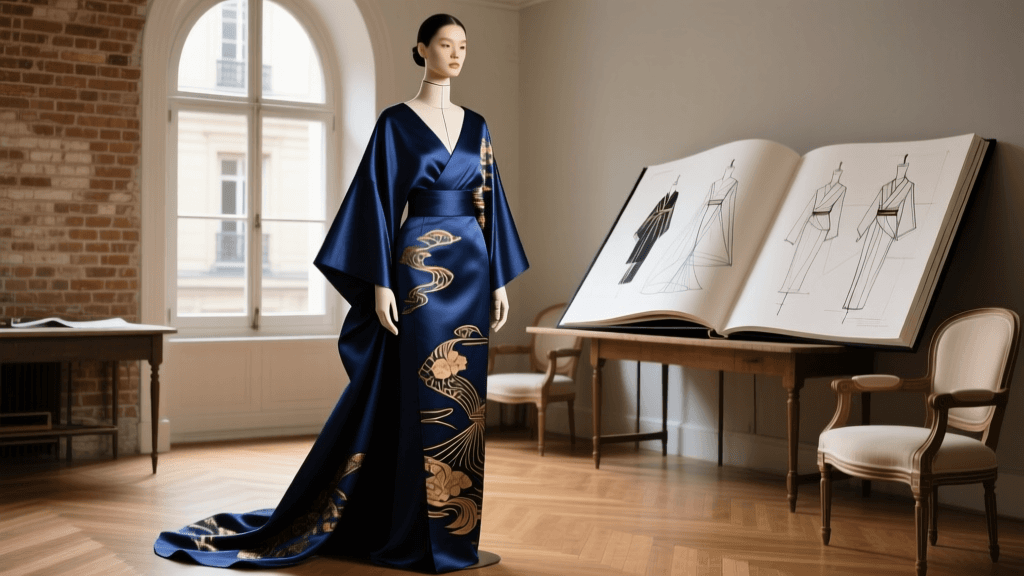
In the landscape of 2026 international fashion, the integration of traditional Japanese garments and techniques has evolved far beyond superficial aesthetic borrowing. Today, the most prestigious Parisian and Milanese design houses are engaging in deep, structural partnerships with Japanese artisan guilds. This shift represents a critical moment in Asian traditions, where the preservation of heritage crafts is being actively funded and sustained by global luxury commerce. Rather than merely printing Japanese motifs onto European fabrics, contemporary collaborations are focusing on the actual structural engineering of traditional garments—such as the haori, noragi, and kimono—and the meticulous weaving and dyeing methods that define them.
This year, the fashion industry has seen a massive surge in cross-cultural educational exchanges. European design houses are now sending their lead pattern-makers to Kyoto and Tokushima to study under master artisans. According to the Japanese Ministry of Economy, Trade and Industry (METI), these international trade and educational partnerships are vital for sustaining the aging demographic of master weavers and dyers, ensuring that designated traditional crafts survive into the next generation. You can read more about these government-backed preservation initiatives on the METI Traditional Crafts portal.
Nishijin-Ori and the New Milanese Silhouette
One of the most defining collaborative movements of 2026 is the integration of Nishijin-Ori into high-end Milanese tailoring. Nishijin-ori is a traditional Japanese textile woven in the Nishijin district of Kyoto, renowned for its intricate, multi-colored silk brocades and complex Jacquard-style loom techniques. Historically reserved for the obi (sash) of formal kimono, this heavy, luxurious fabric is now being re-engineered for Western outerwear and suiting.
In 2026, collaborative collections have introduced a specialized silk-wool blend Nishijin fabric, weighing approximately 280 grams per square meter. This specific weight allows the fabric to maintain the structural integrity and rich, raised texture of traditional brocade while offering the drape and breathability required for a modern European blazer. The warp threads are typically tightly twisted silk, providing a lustrous sheen, while the weft incorporates fine merino wool to add matte contrast and thermal regulation.
The construction of these collaborative jackets often borrows from the haori—a traditional Japanese hip- or thigh-length jacket. Unlike Western suit jackets that rely on heavy canvas interfacing and padded shoulders, the 2026 Nishijin-haori hybrids utilize a soft, unstructured shoulder with a dropped seam. This respects the original Japanese philosophy of allowing the fabric to drape naturally over the body's contours, creating a fluid, gender-neutral silhouette that has dominated the runways in Milan this season.
Sashiko, Boro, and the Parisian Outerwear Renaissance
While Kyoto provides the luxury of silk, the rural traditions of the Tohoku region have profoundly influenced Parisian streetwear and avant-garde outerwear in 2026. Sashiko, a form of decorative reinforcement stitching, and Boro, the practice of mending and patching textiles, have been elevated from utilitarian workwear to high-art couture.
The sensory experience of these 2026 collaborative pieces is unparalleled. Designers are utilizing authentic sukumo (fermented indigo leaves) from Tokushima to dye heavy 16oz cotton canvas. The fermentation process, which takes over a year to prepare the dye vat, yields a living color that continues to evolve, fade, and develop a unique patina based on the wearer's body chemistry and environment. The sashiko stitching on these Parisian-runway overcoats is not done by machine; it is hand-stitched by artisans at a precise density of 6 to 8 stitches per inch. This specific stitch length is mathematically calculated to provide maximum tensile strength without puckering the heavy indigo canvas.
The resulting garments are masterclasses in texture. The contrast between the deep, organic blue of the natural indigo and the stark white of the heavyweight cotton sashiko thread creates a visual rhythm that digital printing simply cannot replicate. These pieces are positioned not just as clothing, but as archival investments, with prices reflecting the hundreds of hours of hand-stitching required for a single coat.
2026 Collaborative Archetypes: Market Breakdown
To understand the current market landscape, it is helpful to categorize the types of international collaborations defining the 2026 retail environment. The table below outlines the three primary archetypes of Japanese-Western fashion partnerships currently available.
| Collaboration Archetype | Primary Technique | Average Price Range (USD) | Key Design Features |
|---|---|---|---|
| Milanese Tailoring x Kyoto Weavers | Nishijin-Ori (Silk Brocade) | $4,500 - $8,200 | Unstructured haori-blazer hybrids, silk-wool blends, hidden interior silk linings. |
| Parisian Avant-Garde x Tohoku Artisans | Sashiko & Boro (Indigo Canvas) | $3,200 - $6,500 | Hand-stitched reinforcement, natural sukumo dye, oversized noragi-inspired outerwear. |
| Global Streetwear x Okinawa Dyers | Bingata (Resist Dyeing) | $800 - $1,800 | Vibrant botanical motifs on technical nylon, modular streetwear silhouettes, limited drops. |
Practical Styling: Balancing Heritage and Modernity
Styling these collaborative pieces requires an understanding of both Western proportion and Japanese spatial awareness (known as ma, or negative space). When wearing a 2026 Nishijin-haori blazer, the garment is designed to sit slightly away from the body. To complement this, pair the jacket with high-waisted, wide-leg trousers that pool slightly at the shoe. Avoid slim-fit bottoms, as they will visually clash with the generous, flowing drape of the traditional Japanese upper-body silhouette.
For Sashiko and Boro outerwear, the sheer weight and texture of the garment demand a minimalist approach to the rest of the outfit. A heavyweight indigo Sashiko coat should be worn over a simple, unbleached organic cotton t-shirt and raw denim. This allows the intricate stitching and the depth of the natural indigo to serve as the absolute focal point of the ensemble. In terms of footwear, these pieces pair exceptionally well with modern interpretations of tabi boots or chunky, crepe-soled derbies that ground the heavy textile.
Care, Preservation, and Longevity
Investing in these 2026 collaborative garments also means committing to their specialized care. Traditional techniques require specific maintenance to preserve their structural and visual integrity:
- Nishijin Silk-Blends: Never wet-clean Nishijin brocade. The water will cause the tightly twisted silk warp threads to shrink at a different rate than the wool weft, resulting in irreversible puckering. Always rely on specialized, hydrocarbon-based dry cleaning, and store the garment on a wide, contoured wooden hanger to support the heavy shoulders.
- Natural Indigo & Sashiko: Avoid dry cleaning natural sukumo indigo, as the harsh chemicals will strip the living dye and leave the fabric feeling brittle. Instead, hand wash in cold water using a pH-neutral detergent specifically formulated for raw denim and natural dyes. Hang to dry in the shade; direct UV light will cause the natural indigo to fade unevenly and degrade the cotton fibers.
Preserving Heritage Through Modern Commerce
The international design collaborations of 2026 represent a beacon of hope for Asian traditional garments. By integrating these ancient techniques into the modern global wardrobe, luxury houses are providing a vital economic lifeline to rural weaving and dyeing communities. For the consumer, purchasing these pieces is no longer just an exercise in fashion; it is an act of cultural preservation, ensuring that the rhythmic clack of the Kyoto loom and the deep, earthy scent of the Tokushima indigo vat continue to thrive in the modern era.