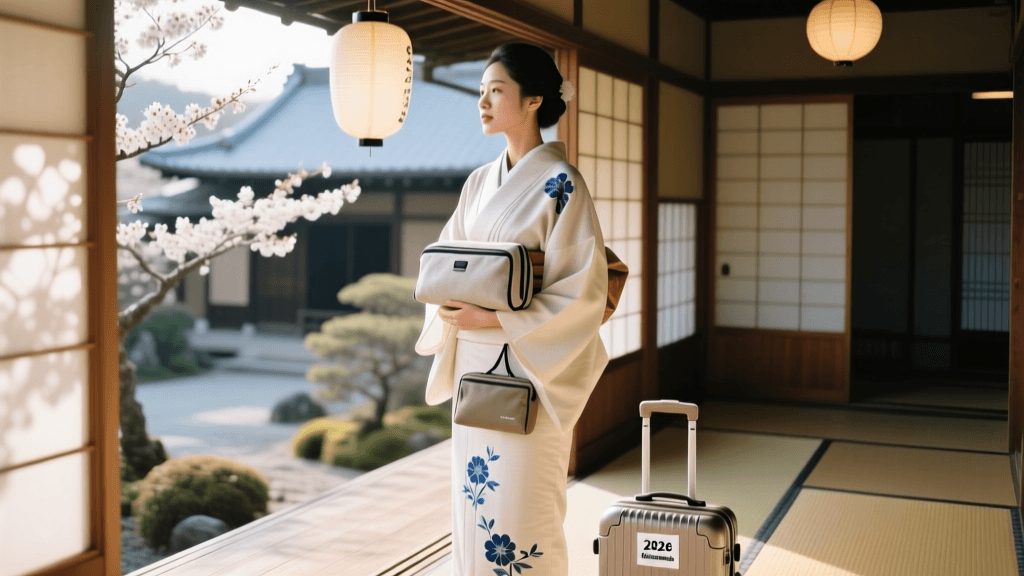
2026 Guide To Kyoto Kimono Craft Schools & Apprenticeships
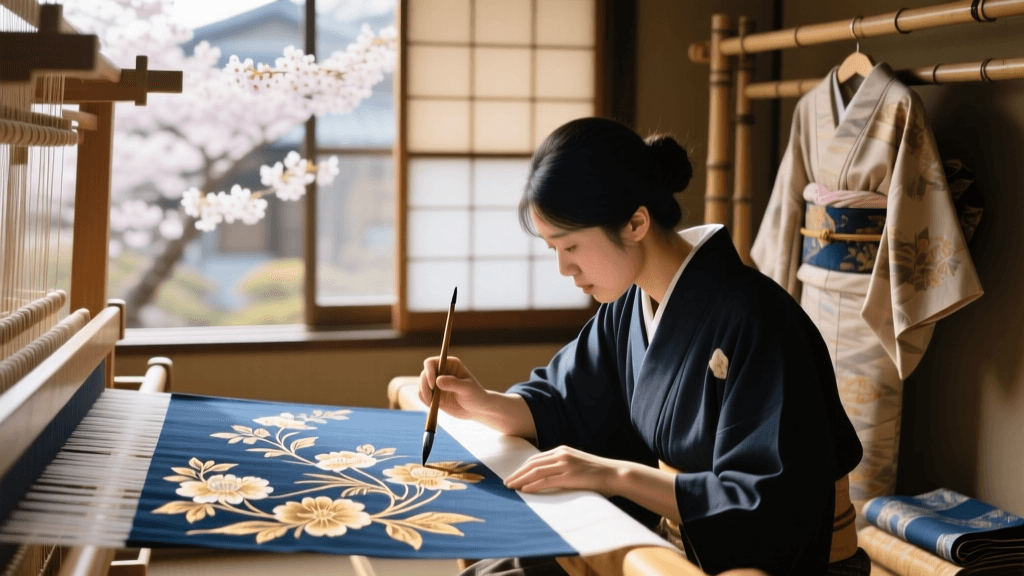
The Renaissance of Traditional Japanese Garment Education in 2026
The creation of a traditional Japanese kimono is not merely an act of tailoring; it is a profound synthesis of structural engineering, organic chemistry, and fine art. As we navigate through 2026, the landscape of Japanese fashion education is undergoing a critical renaissance. For decades, the transmission of highly specialized skills like Nishijin-ori (Kyoto silk weaving) and Kyo-Yuzen (resist dyeing) relied almost exclusively on strict familial succession or localized guild secrets. However, with the demographic shift in Japan's artisan population, the industry has aggressively pivoted toward formalized vocational schooling and government-subsidized apprenticeships to ensure these heritage techniques survive.
Today, aspiring international and domestic artisans have more structured pathways than ever before to master wafuku (traditional Japanese clothing). Whether you are drawn to the rhythmic clatter of the Jacquard looms in Kyoto's Nishijin district or the meticulous, brush-stroked precision of Yuzen silk painting, understanding the 2026 educational ecosystem is your first step toward mastery.
Top Kyoto Schools for Kimono Craftsmanship
Formal education offers a comprehensive foundation, blending historical theory with hands-on studio time. In 2026, the integration of digital textile archiving alongside traditional hand-crafting has become a standard curriculum feature, allowing students to study Edo-period patterns using high-resolution 3D mapping before replicating them by hand.
Kyoto College of Traditional Arts (Kyoto Dentou Geijutsu Daigaku)
Located in the heart of Kyoto, this institution remains the premier vocational school for heritage crafts. Their Department of Traditional Crafts offers specialized tracks in both weaving and dyeing. The 2026 curriculum emphasizes the mastery of natural dyes and the complex mathematics of the kimono's straight-line cutting system (chokusen-dachi). Students spend their first year mastering the preparation of silk threads, including the degumming process and the winding of the warp, before advancing to the loom or the dye vat. Tuition for the 2026 academic year is approximately 1,250,000 JPY (around $8,200 USD), which includes access to the college's extensive archive of vintage Nishijin textiles.
Kyoto Seika University
For those seeking a degree-level education that bridges traditional craftsmanship with contemporary design, Kyoto Seika University's English portal outlines their renowned Faculty of Design. Their Traditional Craft course is unique in 2026 for its focus on sustainable practices, teaching students how to adapt historical Yuzen techniques using eco-friendly, water-conserving synthetic resist pastes that comply with Kyoto's strict modern environmental regulations, while still achieving the vibrant, color-fast results of botanical dyes.
The Deshi System: Nishijin-Ori and Yuzen Apprenticeships
While schools provide excellent theoretical and technical foundations, the ultimate mastery of kimono making is still deeply rooted in the Deshi (apprentice) system. Living and working under a master artisan (shokunin) offers an immersive, sensory education that cannot be replicated in a classroom.
The Reality of the Workshop in 2026
Entering a Nishijin weaving workshop as an apprentice in 2026 means committing to a rigorous 3-to-5-year shugyo (ascetic training) period. Apprentices begin with menial but crucial tasks: sweeping the workshop to ensure zero dust contaminates the raw silk, and preparing the bobbins (itokuri). Only after demonstrating immense patience and respect for the materials are they allowed to touch the loom's weft threads.
For Yuzen dyeing apprentices, the work is highly chemical and physical. You will learn to apply itome-nori (rice paste resist) using specialized brass cones, a skill that requires a perfectly steady hand and controlled breathing. According to the Association for the Promotion of Traditional Craft Industries, the Japanese government has recently expanded its 2026 Densho (transmission) grants, which provide host workshops with stipends to support foreign and domestic apprentices, making this ancient path more financially viable than it was a decade ago.
Comparison: Vocational School vs. Master-Deshi Apprenticeship
Choosing the right path depends on your learning style, financial situation, and long-term career goals. Below is a comparative breakdown of the two primary routes for 2026 intakes.
| Feature | Vocational School (e.g., Kyoto College) | Master-Deshi Apprenticeship (Nishijin/Yuzen) |
|---|---|---|
| Duration | 2 to 4 Years | 3 to 5+ Years (until mastery is recognized) |
| Financial Model | Tuition-based (~1.25M JPY/year) | Stipend-based (~140,000 JPY/month) |
| Curriculum Style | Structured, multi-disciplinary, academic | Hyper-specialized, observational, repetitive |
| Tools & Equipment | Provided by the school; shared studio time | Personal tools must be purchased and maintained |
| 2026 Certification | Diploma / Advanced Vocational Degree | Master's recognition / Guild Certification |
Actionable Steps to Apply for 2026 Intakes
Securing a spot in a traditional fashion program or an apprenticeship requires meticulous preparation, particularly for international applicants. Follow these actionable steps to prepare your application for the upcoming academic and fiscal cycles.
1. Achieve the Required Language Proficiency
Traditional craftsmanship relies heavily on nuanced, often dialect-heavy Japanese. While some universities offer English support, the workshop floor operates entirely in Japanese, utilizing specialized terminology for tools and techniques. You must achieve a minimum of JLPT N2 (Japanese-Language Proficiency Test) before applying. For apprenticeships, N1 is highly recommended, as you will need to understand subtle corrections from your master.
2. Secure the Correct Visa Status
International students enrolling in a recognized vocational school or university will apply for a standard "Student" visa. However, if you are entering a private workshop as an apprentice without enrolling in a formal academic institution, you must apply for the "Cultural Activities" visa. The Ministry of Justice Cultural Activities Visa guidelines specify that this status is strictly for unpaid or stipend-based study of traditional arts, requiring a detailed study plan and a letter of guarantee from your host master.
3. Prepare a Heritage-Focused Portfolio
When applying to schools like Kyoto Seika or seeking a master's patronage, your portfolio should not just showcase modern fashion design. Include hand-drawn motifs, watercolor studies of seasonal flora (essential for Yuzen), and evidence of your understanding of geometric pattern drafting. Demonstrate your familiarity with the kimono's standard measurements, such as the okumi-sen (the front overlap line) and the miyatsu-kuchi (the side opening on women's kimono).
4. Invest in Your Initial Toolkit
Whether entering a school or an apprenticeship, you will be expected to procure your own basic hand tools. For Yuzen students, this includes a set of surikomi (stiff-bristled dye brushes) made from specific animal hairs, and shinshi (bamboo stretchers with needle tips) used to keep the silk taut during the steaming process. Budget approximately 80,000 to 120,000 JPY for a high-quality, beginner-professional toolkit sourced from specialized Kyoto craft suppliers.
Preserving the Thread of History
The pursuit of mastering traditional Japanese garment making in 2026 is a commitment to a philosophy of monozukuri—the art of making things with a deep sense of responsibility and pride. The straight lines of the kimono represent a zero-waste geometry that modern sustainable fashion is only just beginning to fully appreciate. Whether you choose the structured halls of a Kyoto university or the quiet, demanding floor of a Nishijin weaving studio, your dedication ensures that the vibrant silks and intricate weaves of Japan will continue to drape future generations.