2026 Kimono Travel Guide: What to Pack & Where to Wear
The 2026 Shift: Washable and Travel-Ready Textiles
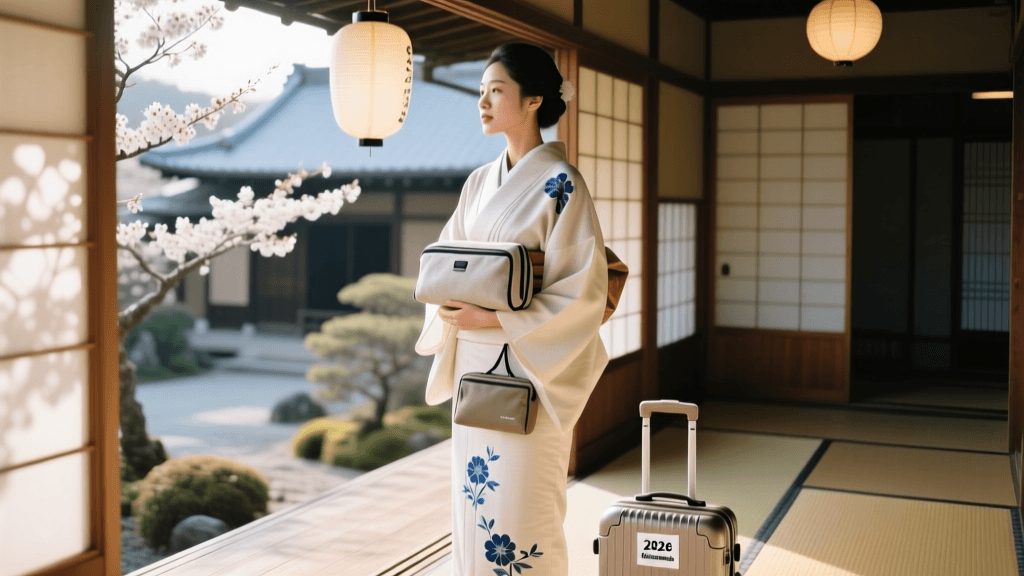
Traveling to Japan with your own traditional garments has evolved significantly by 2026. While heirloom silks remain treasured for formal domestic ceremonies, the international travel market has fully embraced advanced, washable textiles. Modern travel kimonos are frequently crafted from high-grade polyester blends or treated silks that resist wrinkling, repel light moisture, and can be hand-washed in a hotel sink. This shift is a game-changer for travelers who want the authenticity of wearing their own garments without the anxiety of staining a delicate, dry-clean-only silk garment while navigating bustling street food markets or rainy spring days.
When selecting a kimono for your 2026 Japanese itinerary, opt for a hitoe (unlined kimono) if traveling in the transitional months of May, June, September, or October. For the sweltering summer months, a breathable linen or hemp-blend yukata is essential. According to recent textile industry reports, the demand for 'anti-wrinkle' travel weaves has surged, making it easier than ever to pack a garment in a standard carry-on and have it ready to wear with minimal steaming upon arrival.
The Essential Kimono Packing Checklist
Packing a kimono requires more than just the outer garment. The foundation and accessories are what give the kimono its distinct silhouette and ensure your comfort throughout a long day of sightseeing. Below is the definitive 2026 packing matrix for the independent kimono traveler.
| Garment / Accessory | Function | Material Recommendation for Travel | Estimated Weight |
|---|---|---|---|
| Kimono / Yukata | The primary outer garment. | Washable polyester, linen, or crepe. | 600g - 900g |
| Nagajuban / Hadajuban | Undergarment to protect the kimono from sweat and oils. | Bamboo-blend or moisture-wicking synthetic. | 200g - 300g |
| Koshihimo (x4) | Long, thin ties used to secure the kimono and juban at the waist. | Silk (grips best) or soft polyester. | 50g each |
| Datejime (x2) | Wide underbelts that smooth out the waistline and secure ties. | Elasticized polyester with velcro closures. | 80g each |
| Obi | The decorative sash. | Hanhaba (half-width) obi for casual travel. | 300g - 500g |
| Obi-ita | Stiff board inserted under the obi to prevent wrinkling. | Flexible plastic or lightweight cardboard. | 50g |
| Tabi | Split-toe socks worn with zori sandals. | Stretch-knit polyester (easier to pack than rigid cotton). | 80g |
| Zori / Geta | Traditional footwear. | Lightweight EVA foam or cork-soled zori. | 400g per pair |
Breaking Down the Accessories
The koshihimo (waist ties) are the unsung heroes of kimono dressing. For a full day of walking, you must pack at least four. Silk koshihimo are highly recommended even for travel, as their natural texture grips the fabric securely without slipping, unlike smooth polyester ties. The datejime is equally crucial; modern travel versions feature elastic and velcro, allowing you to achieve a smooth, cylindrical torso silhouette in seconds without the bulk of traditional tied pads.
For footwear, leave the rigid, traditional cotton tabi with metal fasteners (kohaze) at home unless you are attending a formal tea ceremony. Stretch-knit tabi socks are vastly superior for travel—they fold flat, conform to your foot for all-day walking comfort, and can be tossed into the washing machine.
Where to Wear Your Kimono in 2026
Choosing the right location to wear your kimono is vital for both aesthetic enjoyment and cultural respect. In 2026, several destinations have updated their tourism infrastructure to better accommodate traditional dress, while others have implemented strict regulations to manage overtourism.
Kyoto: Navigating the New Photography Zones
Kyoto remains the spiritual home of the kimono, but the landscape has changed. Following the strict bans on photography in the private alleys of Gion implemented in previous years, the city has established designated 'Cultural Dressing Zones' in public temple grounds and sprawling gardens. In 2026, locations like the expansive grounds of Daigo-ji Temple and the serene paths of Shoren-in are highly recommended for kimono wearers. These areas offer breathtaking backdrops without the stress of navigating narrow, crowded, and restricted residential streets. Always consult the Kyoto City Official Travel Guide for the most up-to-date etiquette and photography rules before heading out.
Kanazawa: The Elegant Alternative
Often referred to as 'Little Kyoto,' Kanazawa is arguably the best city in Japan for kimono travel in 2026. The Higashi Chaya District is meticulously preserved, and the city's tourism board actively encourages traditional dress. Wearing a kimono while strolling through the nearby Kenroku-en Garden—one of Japan's top three landscape gardens—provides a deeply immersive experience. Furthermore, Kanazawa's flat terrain and wider pedestrian pathways make walking in zori sandals significantly less taxing than navigating Kyoto's hilly temple steps.
Tokyo: Yanaka Ginza and Kagurazaka
If your itinerary is anchored in Tokyo, you do not need to miss out on the kimono experience. The Yanaka Ginza district retains a nostalgic, mid-century shitamachi (downtown) vibe, complete with traditional craft shops and sweet vendors that perfectly complement a casual yukata or travel kimono. Alternatively, the Kagurazaka neighborhood offers a sophisticated blend of Edo-period cobblestone alleys and modern French-Japanese cafes, making it an ideal spot for a refined afternoon outing.
Navigating Transit and Cultural Etiquette
Wearing a kimono alters your center of gravity and restricts your range of motion. Mastering a few physical adjustments will make your 2026 transit experiences much smoother.
- The Shinkansen: When riding the bullet train, avoid sinking deeply into the plush seats, which can crush the obi knot and wrinkle the back panel. Sit upright, and use a small travel towel behind your lower back for support. According to the Japan National Tourism Organization, luggage restrictions on the Shinkansen require advance reservations for oversized bags, so ensure your kimono garment bag meets the standard overhead cabin dimensions.
- Dining Out: When eating at traditional low-table restaurants or bustling ramen shops, use an obi-dome clip or a decorative cord to tie back your long sleeves (a technique known as tasuki). This prevents your sleeves from dipping into soy sauce or broth.
- Temple Etiquette: When entering temple halls that require shoe removal, you will also remove your zori, but you keep your tabi socks on. Ensure your tabi are pristine and free of holes before your trip.
Luggage Forwarding: The Takuhaibin Advantage
Carrying a bulky garment bag, spare zori, and accessory pouches on crowded subway lines is a recipe for exhaustion. In 2026, Japan's legendary takuhaibin (luggage forwarding) services, primarily operated by Yamato Transport, are more accessible than ever to foreign tourists via multilingual app interfaces. If you are moving between Tokyo and Kyoto, pack your heavy winter coat, casual wear, and non-essential kimono accessories into a standard suitcase and forward it directly to your next hotel. Keep only your daily travel kimono, a lightweight undergarment set, and your accessories in a manageable tote bag for the train ride. This strategy transforms a stressful transit day into a comfortable, hands-free journey.
Cost Analysis: Packing vs. Renting in 2026
Is it worth the effort to pack your own kimono, or should you rely on the ubiquitous rental shops? The answer depends on your itinerary, your appreciation for textile quality, and your budget. Below is a comparative analysis based on 2026 average market rates.
| Factor | Bringing Your Own Travel Kimono | Renting from a Kyoto/Tokyo Shop |
|---|---|---|
| Base Cost | Amortized cost of washable kimono set ($150 - $250 USD initial investment) | 8,000 JPY to 15,000 JPY ($55 - $105 USD) per day |
| Fitting & Quality | Custom-tailored to your exact measurements; high-quality personal textiles. | One-size-fits-most; often mass-produced polyester with generic patterns. |
| Time Commitment | Requires 20-30 minutes of self-dressing in your hotel room. | Requires 1-2 hours of travel to the shop, waiting, and being dressed by staff. |
| Flexibility | Unlimited wear time; keep it on for evening illuminations and late dinners. | Strict return times (usually 5:00 PM to 6:00 PM) with late fees. |
| Luggage Impact | Adds approximately 2.5 kg (5.5 lbs) to your luggage allowance. | Zero luggage impact. |
For travelers planning to wear traditional garments on multiple days, or those visiting remote ryokans where rental shops are non-existent, packing your own washable kimono is vastly superior. It grants you the freedom to dress at your own pace, wear garments that fit your body perfectly, and explore off-the-beaten-path locations without worrying about a rental shop's closing time.
Final Thoughts for the 2026 Traveler
Bringing a kimono on your Japanese journey is a profound way to connect with the living heritage of the country. By leveraging modern, washable textiles, packing the correct foundational accessories, and respecting local etiquette guidelines, you transform a simple sightseeing trip into an immersive cultural practice. Whether you are admiring the moss gardens of Kanazawa or navigating the historic slopes of Kyoto, your carefully packed travel kimono will serve as your most memorable travel companion. For deeper insights into Japan's cultural heritage and preservation efforts, travelers are encouraged to review resources from the Agency for Cultural Affairs, Government of Japan, ensuring your travels remain respectful, informed, and deeply enriching.