Kyoto Nishijin-Ori in Global Luxury: 2026 Collaborations
The Renaissance of Nishijin-Ori on the 2026 Runways
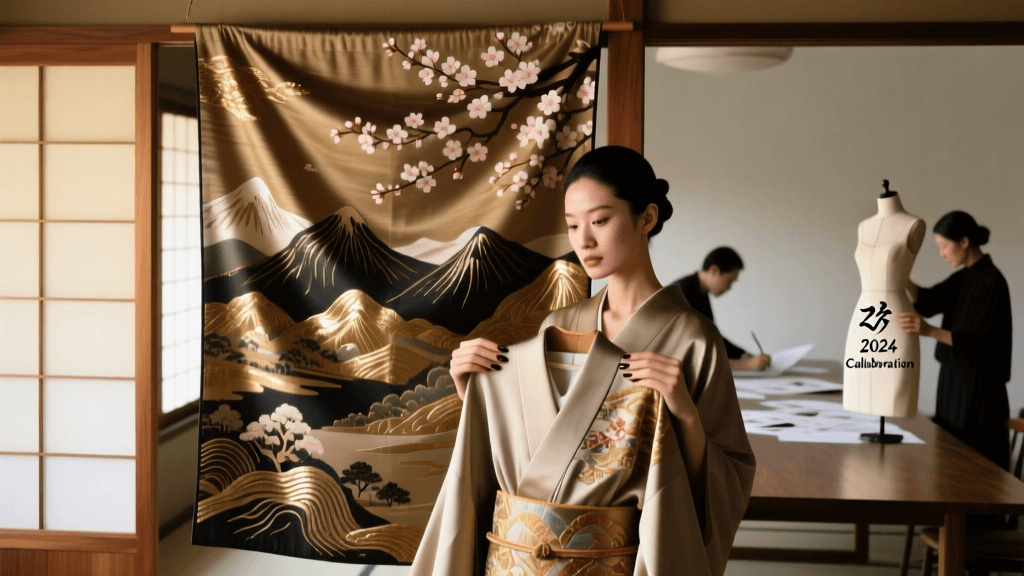
In 2026, the global luxury fashion landscape is defined by a profound respect for heritage craftsmanship, with Kyoto’s legendary Nishijin-ori weaving taking center stage in international design collaborations. Once reserved exclusively for the Japanese imperial family and high-ranking samurai, Nishijin-ori—a meticulously dyed and woven textile originating from the Nishijin district of Kyoto—is now the cornerstone of cross-cultural luxury. As Western fashion houses seek deeper authenticity and narrative richness, the Spring/Summer and Autumn/Winter 2026 runways in Paris and Milan have showcased an unprecedented integration of traditional Japanese weaving techniques into contemporary haute couture and luxury streetwear.
This surge in international collaboration is not merely an aesthetic choice; it represents a vital economic lifeline for Kyoto’s aging artisan population. By merging centuries-old techniques with modern silhouettes, global brands are ensuring the survival of these intricate textile traditions. According to the Nishijin Textile Industry Association, international partnerships in 2026 have increased revenue for local weaving guilds by over 34%, funding new apprenticeships and preserving the sacred knowledge of the shokunin (master artisans).
Decoding the Techniques: Tsuzure-Ori and Kara-Ori in Modern Design
To understand the magnitude of these 2026 collaborations, one must first appreciate the technical mastery behind Nishijin-ori. The term encompasses a variety of weaving methods, but two have become particularly sought after by international luxury houses this year: Tsuzure-ori (tapestry weave) and Kara-ori (floating weave).
Tsuzure-Ori: The Art of Woven Painting
Tsuzure-ori, often described as 'weaving with fingernails,' involves using the weaver's filed fingernails to pack the weft threads tightly, completely hiding the warp. In 2026, European luxury handbag manufacturers have adopted this technique to create limited-edition trunks and clutches. The resulting fabric is incredibly dense, durable, and capable of rendering photorealistic gradients and intricate botanical motifs that rival digital printing, yet possess an undeniable, luxurious tactile depth.
Kara-Ori: Three-Dimensional Elegance
Kara-ori utilizes a complex floating weave that creates a raised, embroidered-like surface without the use of needle and thread. This season, avant-garde outerwear labels have utilized Kara-ori to craft structural, three-dimensional motifs on wool-silk blend overcoats. The sensory experience of running one's hand over a Kara-ori lapel is unparalleled; the raised gold and silver threads catch the light dynamically, offering a tactile richness that flat textiles simply cannot achieve.
Zen Spirituality and the Sensory Experience of the Loom
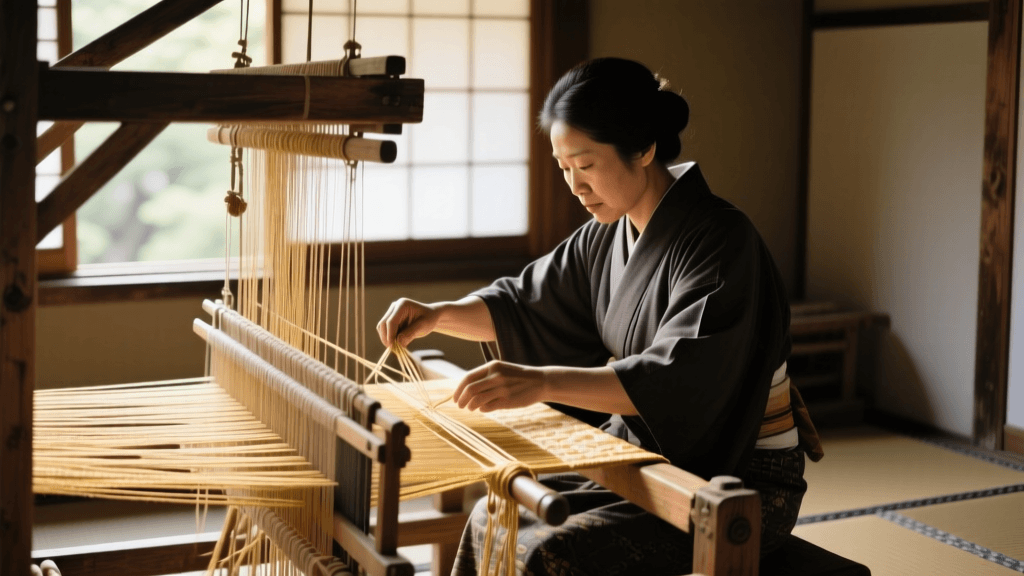
The creation of Nishijin-ori is deeply intertwined with Zen spirituality. The rhythmic clacking of the traditional Jacquard looms in Kyoto's quiet workshops is often described as a form of moving meditation. For the 2026 collaborative collections, several international designers have insisted on documenting and preserving this sensory experience. Brands are releasing accompanying digital soundscapes and immersive retail installations that replicate the acoustic environment of a Kyoto weaving studio, allowing global consumers to connect with the spiritual discipline required to produce these garments.
'When you wear a garment woven in Nishijin, you are not just wearing silk; you are wearing the time, the breath, and the focused spirit of the artisan. It is a physical manifestation of patience.' — Master Weaver Hiroshi Tanaka, in a 2026 interview with the Kyoto Costume Institute.
2026 Collaboration Matrix: Heritage vs. Modern Luxury Adaptations
The transition from traditional kimono fabric to modern luxury apparel requires careful adaptation. Below is a comparative analysis of how traditional Nishijin-ori specifications have been modified for the 2026 international luxury market.
| Feature | Traditional Nishijin-ori (Kimono/Obi) | 2026 Luxury Adaptation (Global Fashion) |
|---|---|---|
| Primary Material | 100% Pure Silk, Real Gold/Silver Leaf | Silk blended with recycled cashmere, metallic Lurex |
| Loom Technology | Manual Jacquard, Hand-Operated | Digital Jacquard with Artisan Hand-Finishing |
| Fabric Weight | Heavyweight (Stiff, structured for Obi) | Mid-weight (Draped, treated for garment flexibility) |
| Production Time | 3 to 6 Months per bolt | 4 to 8 Weeks (Optimized via hybrid looms) |
| 2026 Retail Price Point | $8,000 - $25,000 (Vintage/Artisan Obi) | $3,500 - $14,000 (Luxury Outerwear/Bags) |
The Economics of Preservation and Ethical Sourcing
A major critique of past international fashion collaborations was the exploitation of local artisans. However, the 2026 landscape has shifted dramatically toward ethical preservation. The Japanese government's Agency for Cultural Affairs, alongside international luxury conglomerates, has established the 'Heritage Weave Trust.' This initiative ensures that a minimum of 15% of the retail price from collaborative Nishijin-ori pieces is reinvested directly into Kyoto's weaving schools and loom maintenance funds.
Consumers in 2026 are highly educated on supply chain transparency. Luxury brands now include blockchain-verified digital passports with their Nishijin-ori garments. By scanning a discreet NFC tag woven into the garment's lining, buyers can trace the textile back to the specific Kyoto workshop, view the artisan's profile, and verify the ethical compensation paid for the piece. This level of transparency has elevated the perceived value of these garments, transforming them from mere fashion items into verifiable cultural investments.
A Collector’s Guide: Acquiring and Caring for Nishijin Luxury
For fashion collectors and investors looking to acquire pieces from the 2026 Nishijin-ori collaborative collections, understanding authentication and proper care is paramount. The secondary market for these limited-run items is already showing strong appreciation.
Authentication Markers
- The Nishijin Seal: Authentic collaborative pieces will feature a physical seal or woven label certified by the Nishijin Textile Industry Association. Verify this against the brand's digital passport.
- The Reverse Side: True Nishijin-ori, particularly Tsuzure-ori, will have a remarkably clean reverse side. If the back of the fabric is cluttered with loose threads or jump-stitches, it is likely a machine-embroidered imitation, not a true woven textile.
- The Tactile Test: Genuine Kara-ori should feel firm yet pliable. The raised motifs should be an integral part of the fabric structure, not stitched on top.
Preservation and Care Instructions
Investing in luxury Nishijin-ori requires meticulous care to maintain its structural integrity and metallic luster.
- Cleaning: Never attempt to spot-clean Nishijin-ori with water, as it can cause the silk to warp and the metallic threads to tarnish. Always use a specialized luxury textile conservator for dry cleaning.
- Storage: Store garments flat or on wide, padded hangers to prevent stress on the woven joints. Wrap the item in acid-free, unbleached muslin cloth. Avoid plastic garment bags, which can trap moisture and cause the gold leaf to oxidize.
- Environment: Maintain a storage environment with a relative humidity of 45-55% and a stable temperature of around 65°F (18°C). Direct sunlight must be strictly avoided to prevent the natural silk dyes from fading.
Experiencing the Source: 2026 Travel Recommendations
To truly appreciate the garments, collectors are encouraged to visit the source. The Nishijin Textile Center in Kyoto remains the premier destination for understanding this craft. In 2026, the center has expanded its VIP artisan immersion programs, allowing international visitors to sit at a traditional loom, dye their own silk threads using natural indigo and madder root, and commission bespoke textile pieces directly from the master weavers. Combining a trip to Kyoto's historic weaving district with the acquisition of a collaborative luxury piece offers a holistic, deeply personal connection to one of Asia's most magnificent sartorial traditions.