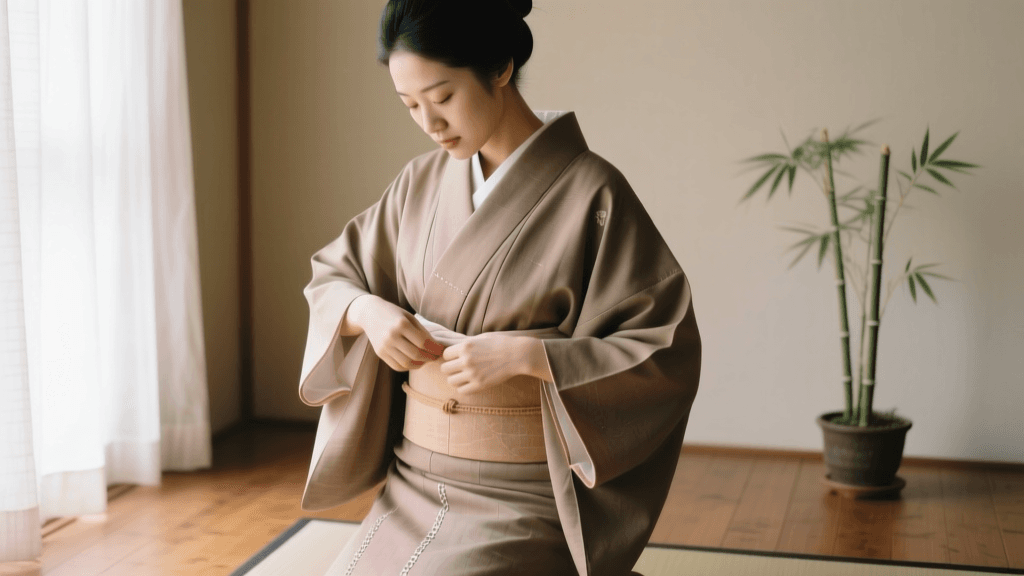
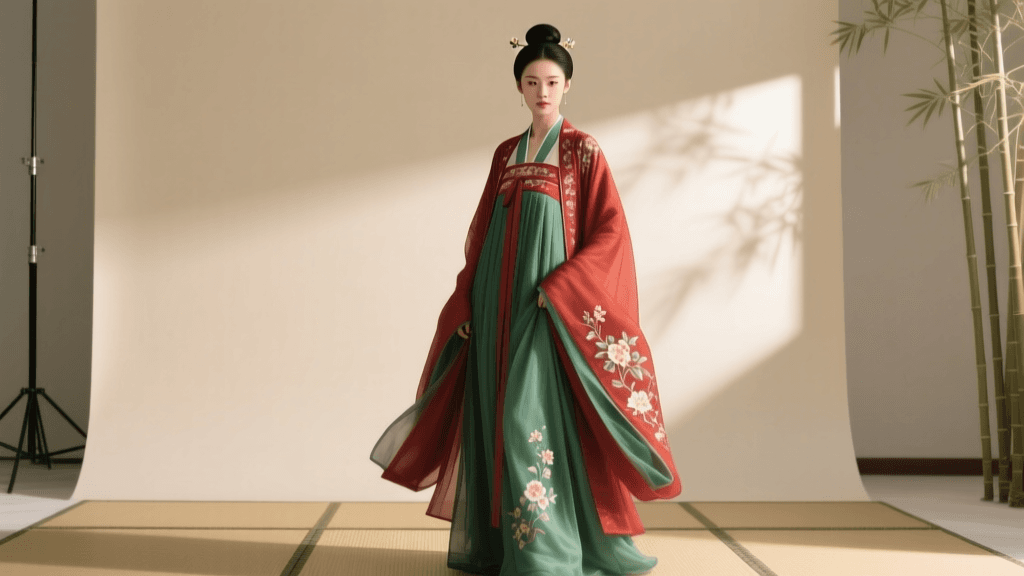
Kyoto Nishijin-Ori Weaving in 2026 Global Couture Collabs
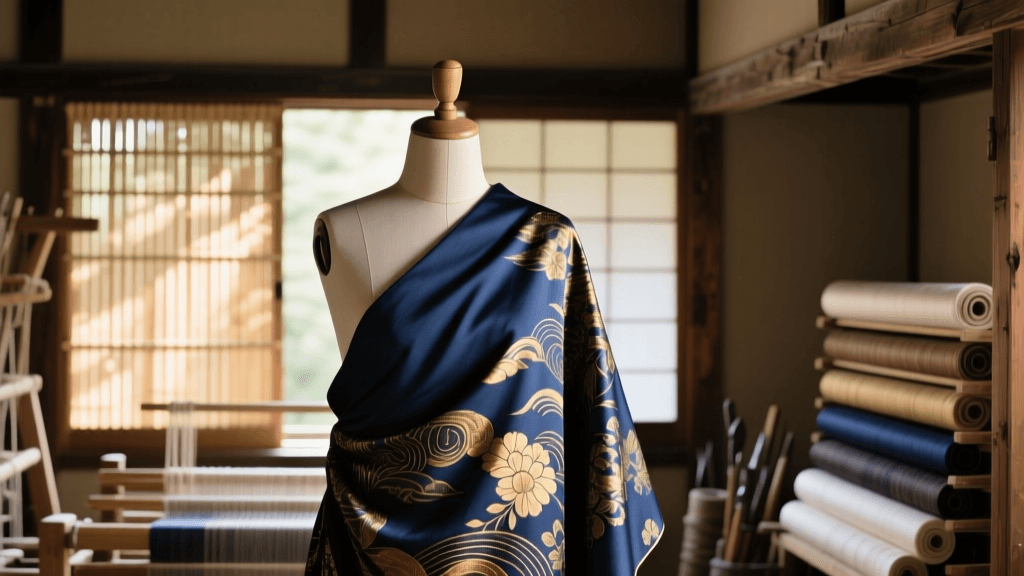
The Renaissance of Nishijin-Ori on the Global Stage
The intersection of Asian traditions and international design has reached an unprecedented zenith in 2026. As the global fashion industry pivots away from fleeting trends and embraces deep, structural heritage, Kyoto’s legendary Nishijin-Ori weaving technique has emerged as the most sought-after textile art in international haute couture. No longer confined to traditional obis or ceremonial kimono sashes, this intricate brocade is now the centerpiece of collaborative capsule collections between historic Kyoto weaving houses and premier European luxury fashion conglomerates. For enthusiasts of Asian traditions and high fashion alike, understanding the mechanics, cultural significance, and market dynamics of these 2026 collaborations is essential.
Nishijin-Ori is a dyed, figured fabric woven with intricate patterns, boasting a history that spans over twelve centuries. According to the Kyoto Museum of Traditional Crafts, the technique involves dyeing the silk threads before they are woven, allowing for complex, multi-layered designs that possess a distinct structural integrity and a rich, tactile depth. In 2026, this ancient craft is experiencing a renaissance, driven by a global luxury market that is increasingly demanding authenticity, artisanal transparency, and sustainable slow-fashion practices.
The 2026 Paradigm Shift: From Inspiration to Co-Creation
In previous decades, international designers often merely referenced Japanese silhouettes or printed faux-brocade patterns onto standard silk. The 2026 landscape is radically different. Today’s collaborations are defined by genuine co-creation. European design houses are establishing satellite ateliers in Kyoto’s Kamigyo ward, working directly with master weavers to engineer entirely new textile blends that honor traditional Asian traditions while meeting the drape, weight, and durability requirements of modern Western tailoring.
This shift is heavily supported by institutional frameworks. The Nishijin Textile Industrial Association has implemented rigorous new intellectual property and fair-trade certification protocols in 2026 to protect its artisans. When a Parisian fashion house commissions a Nishijin-Ori textile today, the partnership includes profit-sharing models, ensuring that the aging population of master weavers and the young apprentices they are training receive direct financial benefits from the global luxury markup.
Material Innovations in the 2026 Collections
One of the most fascinating developments in the 2026 collaborative collections is the material innovation occurring on the traditional jacquard looms. While traditional Nishijin-Ori relies heavily on pure mulberry silk, gold leaf, and silver threads, the 2026 international collaborations frequently integrate cutting-edge, sustainable bio-yarns. Artisans are now weaving lab-grown spider silk and recycled metallic polymers alongside heritage silk, creating hybrid textiles that are lighter, more resistant to humidity, and perfectly suited for structured international outerwear, such as tailored blazers, modern haori-hybrids, and avant-garde evening gowns.
Comparative Analysis: Traditional vs. 2026 Hybrid Textiles
To truly appreciate the engineering marvel of these international collaborations, one must understand how the textiles have been adapted for global couture. Below is a detailed comparison of traditional Nishijin-Ori used for domestic kimono and the newly engineered hybrid textiles produced for the 2026 international runway collections.
| Feature | Traditional Nishijin-Ori (Obi) | 2026 Couture Hybrid Brocade |
|---|---|---|
| Primary Material | 100% Mulberry Silk, Gold Leaf | Silk Blend, Bio-Spun Yarns, Recycled Metals |
| Weight (per sq meter) | 450 - 600 grams | 180 - 250 grams |
| Drape and Stiffness | Highly structured, rigid | Fluid, adaptable to Western bias-cut tailoring |
| Weaving Loom | Traditional Wooden Jacquard | Computer-Assisted Heritage Jacquard |
| Production Time | 3-4 weeks per single Obi | 2 weeks per 10-meter continuous bolt |
| Estimated 2026 Cost | $4,000 - $12,000 per piece | $1,800 - $3,500 per meter |
As the table illustrates, the 2026 hybrid brocades maintain the visual complexity and raised, embossed texture characteristic of Asian traditions, but they are fundamentally re-engineered to behave like high-end European suiting fabrics. This allows international pattern-makers to manipulate the cloth without destroying the integrity of the woven motif.
A Collector’s Guide to Authentic 2026 Collaborative Pieces
With the surge in popularity of Japanese heritage textiles, the market has inevitably seen an influx of mass-produced imitations attempting to mimic the Nishijin-Ori aesthetic. For serious collectors and investors looking to acquire pieces from the 2026 collaborative collections, authentication is paramount. The Victoria and Albert Museum has long documented the intricate markers of authentic Japanese garments, and these principles apply directly to modern luxury crossovers.
When evaluating a 2026 collaborative garment, utilize the following actionable checklist to verify its provenance and artisanal authenticity:
- Examine the Selvedge (Mimi): Authentic Nishijin-Ori will feature a tightly woven, clean selvedge edge that often contains a microscopic, woven artisan stamp or the crest of the Kyoto weaving house. Imitations will have serged or overlocked edges.
- Check the Reverse Side: Because Nishijin-Ori is a yarn-dyed, figured weave, the pattern should be visible (though inverted in color) on the reverse side of the fabric. If the back is a solid, blank color, the garment is printed, not woven.
- Verify the Certificate of Origin: All legitimate 2026 international collaborations must include a digital and physical certificate stamped by the Nishijin Textile Industrial Association, detailing the specific loom number, the master weaver’s name, and the exact material composition.
- Assess the Tactile Temperature: Pure silk and high-grade bio-blends possess a distinct thermal property; they feel cool to the touch initially but warm rapidly against the skin. Synthetic imitations feel uniformly warm or artificially slick.
- Listen to the Fabric (Kinu-Nari): Authentic heritage silk produces a unique, crisp rustling sound known as kinu-nari (the sound of silk) when compressed. The 2026 hybrid textiles retain this acoustic signature, whereas synthetic blends remain entirely silent.
Ethical Sourcing and the Preservation of Zen Spirituality in Weaving
Beyond the aesthetics and the financial investments, the 2026 collaborations represent a vital lifeline for the preservation of Kyoto’s weaving districts. The philosophy of Nishijin-Ori is deeply intertwined with Zen spirituality, emphasizing patience, repetitive mindfulness, and a profound respect for natural materials. A single master weaver may spend decades perfecting the tension of the warp threads on a traditional loom. The international design collaborations of 2026 are explicitly structured to honor this spiritual and meditative approach to creation.
Luxury conglomerates are now funding multi-year apprenticeship programs in Kyoto, guaranteeing a living wage for young artisans who commit to mastering the intricate mechanics of the jacquard looms. By integrating these traditional Asian customs into the global luxury supply chain, the fashion industry is actively participating in the preservation of intangible cultural heritage. Consumers who invest in these collaborative pieces are not merely buying a garment; they are funding the continuation of a millennium-old spiritual and artistic practice.
The Future of Asian Traditions in Global Fashion
As we move deeper into 2026, the blueprint established by the Nishijin-Ori international collaborations is being replicated across other traditional Asian crafts, from Okinawan Bingata dyeing to Indonesian Ikat weaving. However, the Kyoto brocade remains the gold standard for how heritage textiles can be adapted for modern, global silhouettes without sacrificing their soul.
For the garment historian, the fashion enthusiast, and the cultural preservationist, the 2026 collections offer a masterclass in respectful cross-cultural design. By demanding transparency, honoring the artisan, and embracing material innovation, international design houses have proven that the future of haute couture relies heavily on the preservation and elevation of Asia's most sacred sartorial traditions.