Kimono Travel Essentials 2026: Packing & Wearing Guide
The 2026 Shift Toward Personal Kimono Travel
As global travel continues to evolve in 2026, a significant trend has emerged among cultural enthusiasts visiting Japan: the shift from renting fast-fashion kimonos to packing and wearing personal, high-quality traditional garments. With Japan's tourism board implementing new cultural preservation zones and strict crowd-control measures in historic districts this year, renting on-site often requires booking months in advance. Consequently, bringing your own kimono wardrobe offers unparalleled freedom, allowing you to explore off-the-beaten-path locations and engage deeply with the art of kitsuke (kimono dressing) at your own pace.
Whether you are a seasoned collector or a beginner who has recently invested in a modern, travel-friendly washable silk blend, packing a kimono requires strategic planning. The anatomy of a kimono outfit involves multiple layers, specialized ties, and specific footwear. This comprehensive guide details exactly what to pack, how to navigate transit, and the most breathtaking locations to wear your garment in 2026.
The Ultimate Kimono Packing Checklist
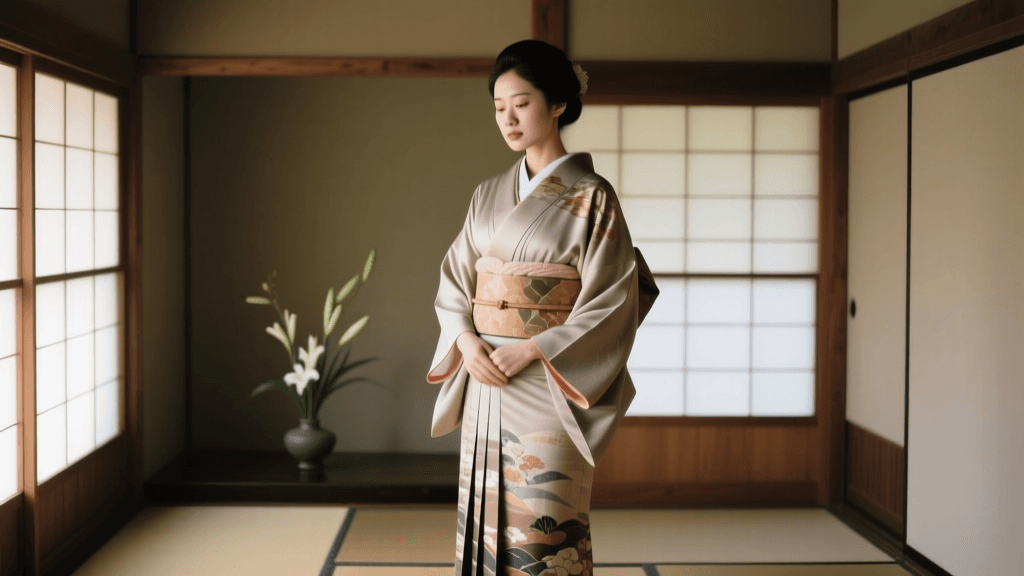
Packing a kimono is not as simple as folding a dress into a suitcase. The silhouette of the kimono relies entirely on the under-layers and ties that secure it to the body. According to The Metropolitan Museum of Art's historical archives on Japanese dress, the layered structure of the kimono has remained fundamentally unchanged for centuries, designed to create a smooth, cylindrical shape that serves as a canvas for the garment's intricate textiles.
Core Garments
- Kimono: For travel, opt for a high-quality polyester chirimen (crepe) or a modern washable silk blend. These materials resist wrinkling and can be hand-washed in a hotel sink if necessary.
- Nagajuban (Under-Kimono): This protects your outer kimono from sweat and oils. A two-piece han-juban (half-juban) and susoyoke (wrap skirt) is much easier to pack and manage than a full-length one-piece nagajuban.
- Obi: A Nagoya obi is the most practical choice for travelers. It is pre-folded and sewn in a way that makes tying the popular taiko musubi (drum knot) significantly faster and less bulky to pack than a formal fukuro obi.
Essential Accessories and Ties
- Koshihimo (3-4): Long, narrow cotton ties used to secure the kimono and juban at the waist. Bring at least three, as they are the structural foundation of your outfit.
- Datejime (2): Wider, elastic or silk belts worn over the koshihimo to flatten the fabric and prevent bunching around the waist.
- Obi-ita: A stiff board inserted into the front of the obi to keep it perfectly smooth and wrinkle-free.
- Obijime: A decorative braided cord tied around the center of the obi to secure the knot and add a pop of contrasting color.
- Tabi: Traditional split-toe socks. Always pack a pristine white pair for formal occasions, and darker, patterned pairs for casual walking to hide dust from the streets.
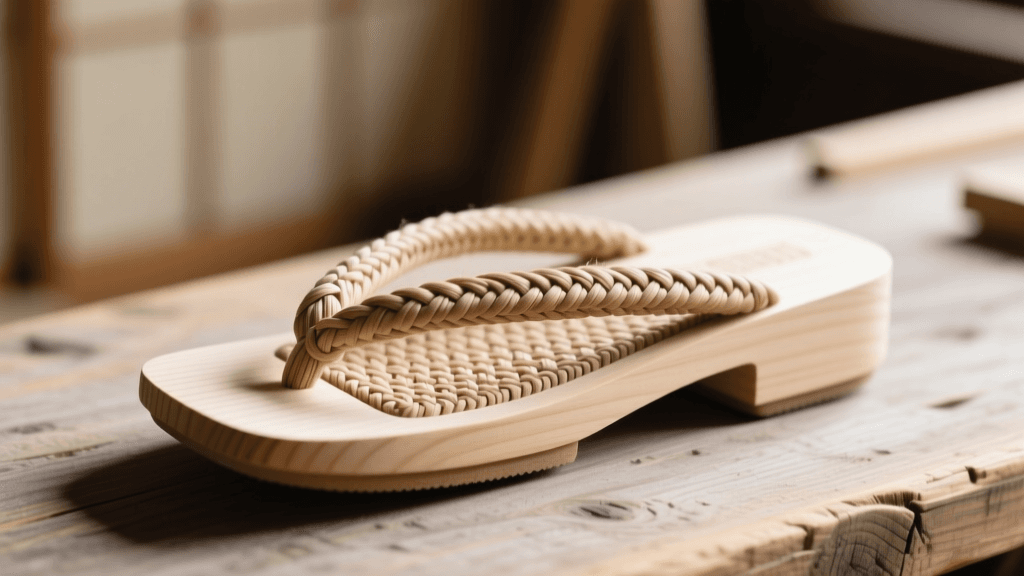
- Zori or Geta: Traditional footwear. In 2026, many travelers opt for modern EVA-foam geta or lightweight rubber-soled zori, which provide the aesthetic of traditional sandals with the shock absorption needed for walking on cobblestones.
Packing Table: Weight and Carry-On Viability
| Item | Quantity | Material Recommendation | Carry-on Friendly? |
|---|---|---|---|
| Kimono | 1-2 | Washable Silk / Poly Chirimen | Yes (Roll tightly) |
| Han-juban & Susoyoke | 1 set | Cotton / Bamboo blend | Yes |
| Nagoya Obi | 1 | Silk brocade or woven cotton | Yes (Fold in thirds) |
| Koshihimo | 4 | 100% Cotton | Yes |
| Zori / Geta | 1 pair | EVA-foam or lightweight wood | No (Check in or use Takuhaibin) |
Where to Wear Your Kimono in 2026
Choosing the right location is crucial for both photography and cultural respect. In 2026, several Japanese cities have introduced designated 'heritage walking zones' specifically designed to accommodate traditional dress while protecting historic infrastructure.
Kyoto's Higashiyama District
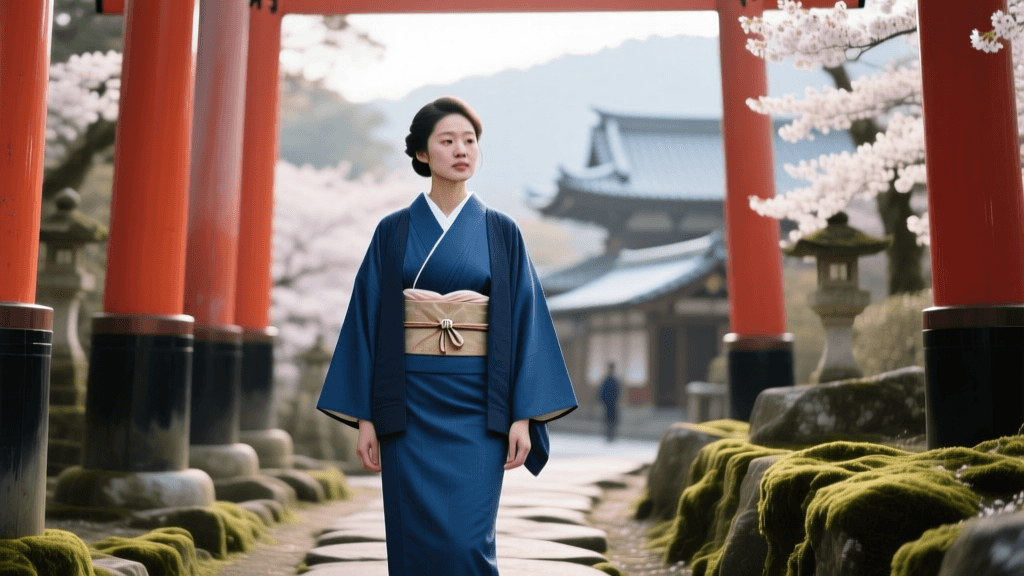
Kyoto remains the undisputed capital of kimono culture. The Higashiyama district, stretching from Kiyomizu-dera to Yasaka Shrine, offers iconic cobblestone streets and preserved wooden machiya houses. According to the Japan National Tourism Organization (JNTO), Kyoto has recently expanded its cultural preservation initiatives, creating designated photo-spots that prevent congestion while offering stunning backdrops of weeping cherry blossoms and maple trees. When wearing your kimono here, be mindful of the restricted private alleyways in the Gion district, where photography of geisha and maiko is strictly prohibited and heavily fined.
Kanazawa's Higashi Chaya District
For travelers seeking a Kyoto-like atmosphere without the overwhelming crowds, Kanazawa is the premier 2026 destination. The Higashi Chaya geisha district is perfectly preserved. Kanazawa's unique weather—frequent drizzles and high humidity—makes it an excellent place to test modern, water-resistant kimono fabrics. The city is also famous for its gold leaf; enjoying a matcha and gold-leaf ice cream in a traditional tea house while dressed in a subtle, elegant kimono is an unforgettable experience.
Tokyo's Yanaka Ginza
If you are based in Tokyo, escape the neon lights of Shinjuku and head to Yanaka. This 'shitamachi' (old downtown) neighborhood survived the WWII bombings and retains a mid-century charm. It is highly favored by local kimono enthusiasts for its retro cafes, artisan craft shops, and relaxed atmosphere. It is an ideal location for wearing casual wool kimonos or bold, vintage meisen silk garments that might feel out of place in the highly formal setting of Kyoto's tea houses.
Dressing Etiquette and Cultural Respect
Wearing a kimono is a profound way to honor Japanese heritage, but it must be done correctly to avoid cultural faux pas. The most critical rule of kitsuke is the collar alignment: always left over right. The right-over-left configuration is strictly reserved for dressing the deceased for burial. Additionally, the back collar should be pulled down slightly to expose the nape of the neck, which is traditionally considered one of the most elegant and alluring parts of the body in Japanese aesthetics.
'The kimono is not merely clothing; it is an architectural structure built upon the body, requiring patience, respect for the textile, and an understanding of the space between the fabric and the skin.'
Ensure your hemline is level or slightly higher in the back than in the front. When sitting, smooth the back of your kimono down to prevent wrinkling, and never cross your legs in a way that exposes the calves or disrupts the elegant, straight line of the skirt.
Navigating Transit and Weather Adaptations
Traveling with a kimono wardrobe requires logistical foresight. Traditional wooden geta and bulky obi can weigh down a suitcase. In 2026, utilizing Japan's legendary Takuhaibin (luggage forwarding) service via Yamato Transport is a game-changer. You can ship your heavy footwear, travel steamer, and extra obi directly from your arrival airport hotel to your traditional ryokan in Kyoto, allowing you to travel on the Shinkansen with just a light carry-on.
Weather adaptation is equally important. Japan's summers are intensely hot and humid. If traveling between June and September, you must pack a ro (sheer gauze) or sha (leno weave) kimono, paired with a breathable hemp juban. Conversely, from November to March, an awase (lined) kimono is necessary, and you should pack thermal undergarments specifically designed to be worn beneath the susoyoke to maintain warmth without disrupting the kimono's silhouette.
Conclusion
Bringing your own kimono to Japan in 2026 transforms a standard vacation into a deeply immersive cultural pilgrimage. By carefully selecting travel-friendly textiles, mastering the essential packing list, and respecting the etiquette of kitsuke, you unlock a more intimate, respectful, and beautiful way to experience the timeless landscapes of Japan. Whether strolling through the bamboo groves of Arashiyama or sipping roasted hojicha in a Yanaka cafe, your personal kimono will serve as a bridge between your modern journey and centuries of Asian tradition.