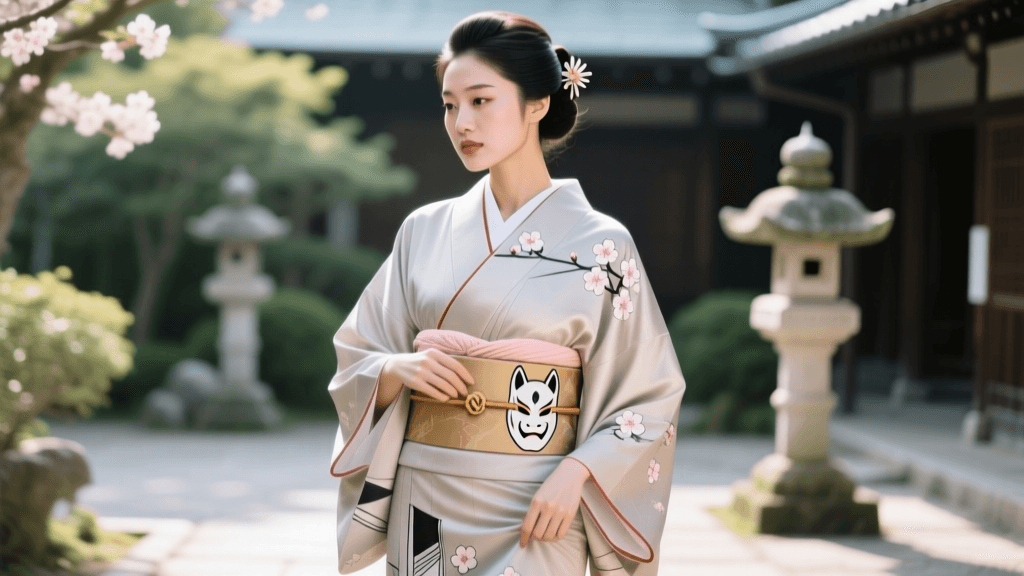
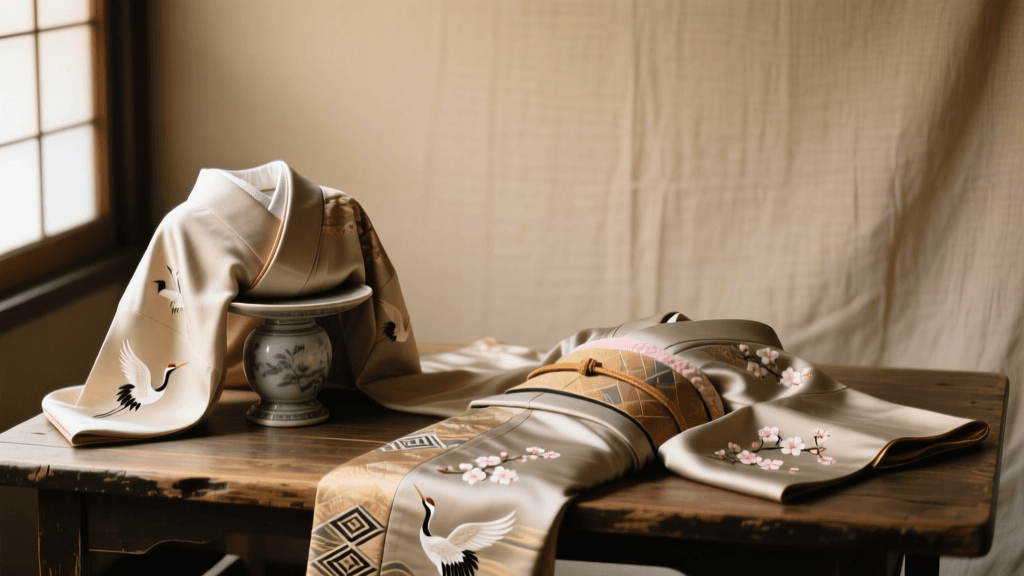
Kimono Travel Essentials 2026: Ultimate Kyoto Packing & Wear Guide
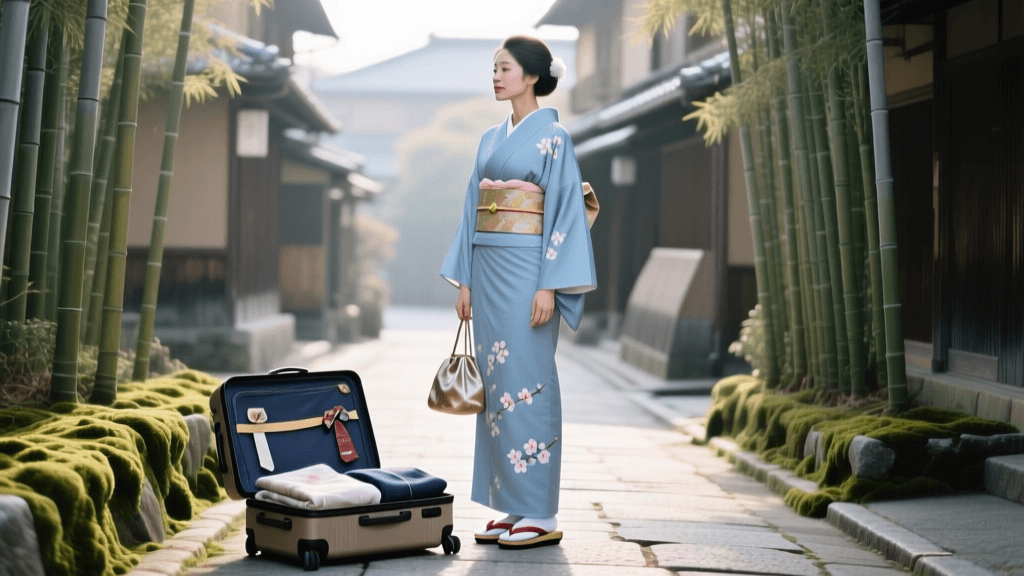
The Renaissance of Kimono Travel in 2026
As global tourism continues to evolve in 2026, the focus has shifted decisively toward sustainable, culturally immersive, and slow travel experiences. For enthusiasts of traditional Asian garments, visiting Japan is no longer just about sightseeing; it is about living within the culture. Packing and wearing your own kimono while navigating the historic streets of Kyoto has become a hallmark of the discerning traveler. While rental shops remain abundant, bringing your own curated wardrobe allows for a deeply personal connection to the garment, ensuring perfect fits, authentic vintage textiles, and a sustainable approach to fashion tourism.
According to the Japan National Tourism Organization (JNTO), cultural immersion travel has seen a 40% increase in 2026, with traditional arts and textile workshops leading the charge. However, traveling with delicate silk garments requires meticulous planning, specialized packing techniques, and an understanding of local etiquette. This comprehensive guide covers everything you need to pack, how to care for your garments on the road, and the best locations to wear your kimono in Kyoto this year.
The 2026 Kimono Travel Packing Checklist
Packing a kimono is not as simple as folding a dress. The anatomy of a kimono outfit involves multiple layers, ties, and accessories. When selecting garments for travel, prioritize durability, ease of care, and versatility. Leave your delicate, formal silk homongi at home; instead, opt for tsumugi (pongee silk), cotton, or high-quality synthetic blends that resist wrinkling and can withstand the humidity of Japanese summers or the chill of autumn.
Essential Garments and Layers
- Kimono (2-3): Pack one komon (casual patterned kimono) for daytime sightseeing, and one yukata (cotton summer kimono) for relaxing at your ryokan or attending evening festivals.
- Nagajuban (Under-kimono): In 2026, moisture-wicking, washable synthetic ro (gauze) nagajuban are highly recommended for travel. They provide the necessary collar structure without the bulk and delicate care requirements of traditional silk.
- Hanhaba Obi (Half-width sash): The ultimate travel accessory. A hanhaba obi is casual, requires no additional accessories to tie, and can be styled in dozens of creative knots.
Undergarments and Accessories
- Koshihimo (Waist ties): Pack at least four. Modern silicone or stretch-knit koshihimo are a game-changer for travel, providing secure grip without the discomfort of traditional cotton ties during long days of walking.
- Datejime (Under-sash): One or two elastic datejime to secure the nagajuban and kimono smoothly.
- Obijime and Obiage: If you choose to bring a Nagoya obi for a slightly dressier tea ceremony look, you will need these decorative cords and scarves.
- Tabi and Zori: Pack two pairs of white cotton tabi socks and one versatile pair of zori sandals with weather-resistant soles.
Packing Volume and Weight Guide
| Item Category | Recommended Quantity | 2026 Material Trend | Estimated Packing Volume |
|---|---|---|---|
| Kimono (Komon/Yukata) | 2 | Tsumugi silk / Washable cotton | Medium (Roll, do not fold) |
| Nagajuban | 1 | Cool-tech synthetic blend | Small |
| Hanhaba Obi | 2 | Woven cotton / Upcycled vintage | Small (Roll tightly) |
| Koshihimo & Datejime | 5 total | Silicone grip / Elastic | Minimal (Stuff in shoes) |
| Tabi Socks | 2 pairs | Stretch cotton blend | Minimal |
| Travel Steamer | 1 | Compact dual-voltage (e.g., Panasonic) | Medium (Carry-on essential) |
Where to Wear Your Kimono in Kyoto: A 2026 Itinerary
Kyoto is the undisputed heart of traditional Japanese culture, but navigating its historic districts in a kimono requires strategic planning. The Kyoto City Tourism Association has implemented updated pedestrian flow management and photography etiquette rules in 2026 to preserve the tranquility of historic neighborhoods. Here is how to plan your kimono-clad itinerary.
Morning: Arashiyama and Fushimi Inari
The iconic Arashiyama Bamboo Grove and the vermillion torii gates of Fushimi Inari Taisha are notoriously crowded. To capture serene photographs and enjoy a peaceful walk, you must start early. Arrive at Fushimi Inari by 6:30 AM. The morning light filtering through the gates beautifully complements the vibrant colors of a komon kimono. The hike up the mountain is steep; ensure your zori have secure, textured soles, and tie your kimono slightly shorter than usual to prevent the hem from dragging on the stone steps.
Afternoon: Higashiyama and Tea Ceremonies
The Higashiyama district, encompassing Kiyomizu-dera and Sannenzaka, is perfect for an afternoon stroll. In 2026, many of the historic tea houses in this ward require advance digital reservations. Wearing a kimono to a traditional tea ceremony is highly encouraged, but remember the etiquette: avoid wearing strong perfumes that might interfere with the delicate aroma of the matcha, and ensure your left collar is crossed over your right (the reverse is strictly reserved for the deceased). The Victoria and Albert Museum's extensive kimono archives note that the left-over-right collar rule has been a steadfast cultural pillar since the Edo period, and respecting this detail shows profound cultural awareness.
Evening: Pontocho and the Kamo River
As the sun sets, transition into your yukata for an evening along the Kamo River or the narrow, atmospheric alleyways of Pontocho. While Pontocho is famous for its dining, be aware that some high-end, traditional restaurants still enforce strict dress codes that may restrict casual cotton yukata or bare feet. Opt for riverside dining establishments where the relaxed, breezy nature of a yukata is perfectly suited to the summer evening ambiance.
Kimono Care and Maintenance on the Road
Traveling with silk and delicate textiles means you must be prepared for wrinkles, humidity, and minor stains. Modern travel gear has made garment care much more manageable.
- Steaming over Ironing: Never use a hotel iron directly on a kimono. Pack a high-quality, dual-voltage compact travel steamer. Hang your kimono on a specialized wide-shoulder kimono hanger (which you can purchase cheaply at local 100-yen shops in Japan) and steam out wrinkles from the inside out.
- Airing Out: After a day of wear, the nagajuban and the inner lining of the kimono will absorb moisture. Hang the garments in a well-ventilated, air-conditioned room for at least four hours before packing them away to prevent mildew and odors.
- Stain Management: Carry a portable, water-based stain removal pen designed for delicate fabrics. If you spill matcha or soy sauce, dab (do not rub) the area immediately. For silk garments, seek out a professional soden-ya (kimono cleaner) in Kyoto if a stain sets; many offer rapid 24-hour tourist services in the Gion district.
Rentals vs. Bringing Your Own: The 2026 Verdict
While Kyoto boasts hundreds of kimono rental shops, the quality and fit can vary wildly. In 2026, premium rental experiences cost upwards of 15,000 JPY per day, often restricting you to synthetic, mass-produced garments with limited styling options. By bringing your own curated collection, you not only save money on multi-day trips but also guarantee that you are wearing authentic, high-quality textiles that reflect your personal style. Furthermore, owning your garments allows you to practice dressing yourself—a deeply rewarding skill that transforms you from a passive tourist into an active participant in Asian textile traditions.
Final Thoughts
Traveling with a kimono in 2026 is an exercise in mindfulness, preparation, and deep cultural respect. By packing smart, utilizing modern travel-friendly textiles, and navigating Kyoto's historic districts with intention, you elevate your journey from a simple vacation to a profound sartorial pilgrimage. Whether you are sipping matcha in a hidden Higashiyama tea room or listening to the evening cicadas along the Kamo River, the rustle of your own silk kimono will be the most memorable soundtrack of your Japanese adventure.