Kimono Cosplay Guide: Blend Pop Culture With Authentic Styling
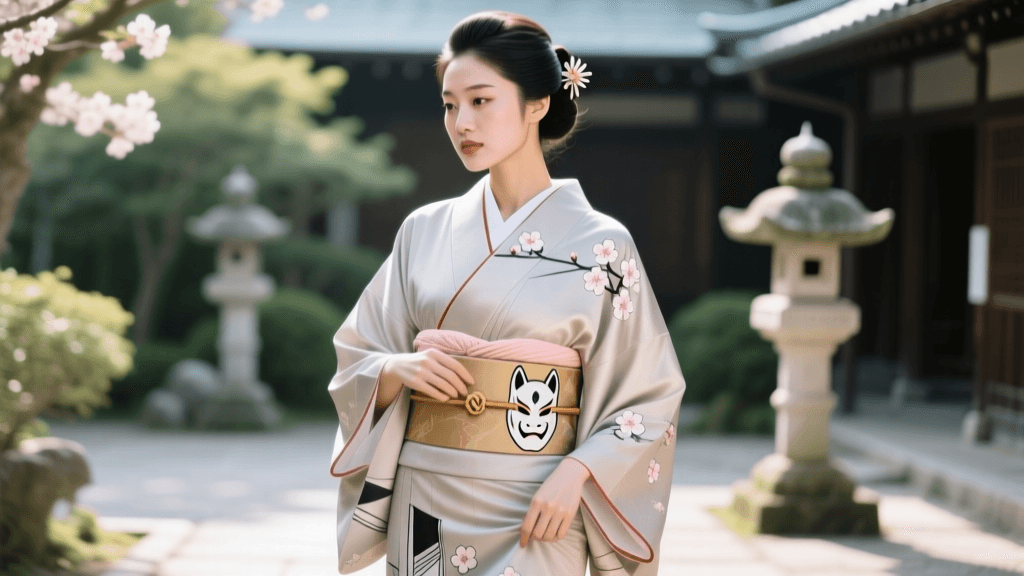
The Intersection of Anime, Hollywood, and Traditional Japanese Garments
The global explosion of Japanese media and Hollywood sci-fi has deeply embedded the silhouette of traditional Japanese garments into the international pop culture consciousness. From the sweeping, layered robes of the Jedi Knights in Star Wars—which were heavily inspired by the kimono and hakama—to the iconic checkered haori worn by Tanjiro in Demon Slayer, the visual language of Japanese fashion is everywhere. For cosplayers, historical reenactors, and fans of global media, recreating these looks is a thrilling challenge. However, media adaptations often prioritize dramatic flair over structural accuracy, leading to widespread misconceptions about how these garments are actually worn.
Bridging the gap between pop culture fantasy and the meticulous art of kitsuke (the traditional method of dressing in a kimono) elevates a costume from a simple imitation to a profound tribute. By understanding the mechanics, measurements, and cultural significance of the kimono, you can create a visually stunning and culturally respectful wardrobe that stands out at any global convention or media event.
Deconstructing Media Tropes vs. Authentic Kitsuke
When costume designers adapt traditional Japanese clothing for film, anime, or video games, they frequently alter the garment's structure to suit modern, Westernized aesthetics or to emphasize a character's personality. While these designs look incredible on screen, attempting to replicate them using real, traditional garments often results in structural failure. Here is a breakdown of common media tropes compared to the authentic reality of kitsuke.
| Pop Culture / Media Trope | Authentic Kitsuke Reality |
|---|---|
| Bare feet in sandals: Characters frequently wear zori or geta with bare feet for a rugged or casual look. | Split-toe tabi socks are mandatory. Wearing traditional footwear barefoot is considered unhygienic and culturally incorrect. |
| Deep V-necklines: Collars are often pulled wide to show cleavage or the chest, especially on female characters. | Collars are crossed strictly left over right (eri), kept snug at the base of the throat, with a deliberate gap at the nape (nuki). |
| Giant, unstructured bows: Massive, flowing fabric bows tied haphazardly on the back to signify youth or magic. | Obi knots are highly structured. They require an obi-makura (pillow) and obi-age (scarf) to create shapes like the Taiko or Bunko musubi. |
| Floor-length dragging hems: Garments trail on the ground to create a dramatic, sweeping effect during action scenes. | The hem stops precisely at the ankle bone. Excess length is folded at the waist to create the ohashori, allowing for movement. |
Understanding these distinctions is the first step toward authentic styling. The ohashori (the horizontal fold at the waist) is not just a stylistic choice; it is a functional necessity that allows a single, straight-cut garment to fit wearers of varying heights while providing ease of movement.
Sourcing Your Garments: Budget, Measurements, and Materials
Building an authentic pop-culture-inspired wardrobe requires navigating the vintage and traditional textile market. While buying a cheap, mass-produced "costume kimono" from a party store might seem convenient, these items are often cut with Western seams, lack the proper width, and use shiny, inaccurate polyester satin. According to the Metropolitan Museum of Art's Heilbrunn Timeline of Art History, the kimono is defined by its straight-line construction and lack of tailoring to the body's curves, meaning authentic vintage pieces are actually highly adaptable to modern cosplayers of all body types.
Essential Measurements
Unlike Western clothing, kimono are not sized by bust, waist, or hip. The two critical measurements are:
- Length (Mitake): Ideally, the kimono should measure from your shoulder to your ankle. For the ohashori to form correctly, the garment should be about 10 to 12 inches longer than your shoulder-to-floor measurement.
- Sleeve Span (Yuki): Measured from the center of the back of your neck, over the shoulder, and down to your wrist bone. Vintage kimono typically have a yuki of 62cm to 68cm (approx. 24 to 27 inches).
Budgeting for Authenticity
| Item | Authentic Material | Estimated Cost (USD) | Pop Culture Alternative |
|---|---|---|---|
| Kimono | Vintage Silk Chirimen (Crepe) | $40 - $120 | Polyester Satin Costume ($25) |
| Obi | Silk Brocade (Nishijin-ori) | $30 - $90 | Cotton or Brocade Poly ($20) |
| Nagajuban | Silk or Muslin | $30 - $60 | Two-piece poly-cotton set ($25) |
| Zori & Tabi | Vinyl/Leather & Cotton | $45 - $80 | Elastic tabi socks & sandals ($20) |
Pro-Tip: For sourcing, reputable online vendors like Yamato, Chicago Kimono, or specialized Etsy vintage sellers offer authentic, pre-loved silk garments at a fraction of the cost of new, custom-tailored pieces. Look for terms like chirimen (silk crepe) for a textured, matte finish that photographs beautifully on convention floors, avoiding the cheap glare of modern synthetic satins.
The Anatomy of the Outfit: Essential Accessories
The kimono itself is only the outermost layer of a complex structural system. To achieve the flawless, cylindrical silhouette seen in high-end media and historical dramas, you must invest in the internal architecture of kitsuke.
- Hadajuban & Susoyoke: The base layer of cotton undergarments that protect the expensive silk from sweat and body oils.
- Nagajuban: The under-kimono. Only the collar (han-eri) is visible. This layer provides the structural padding needed to smooth out the body's curves.
- Koshihimo: Long, narrow cotton ties. You will need at least three or four of these to secure the nagajuban, create the ohashori, and hold the kimono in place before the obi is tied.
- Datejime: A wide, elasticized tie worn over the koshihimo to flatten the waist and provide a smooth canvas for the obi.
- Obi-ita: A stiff board inserted into the front of the obi to prevent wrinkling when bending or sitting.
- Obi-makura: A small pillow used to give volume and structure to the back knot of the obi.
- Obi-age & Obi-jime: A decorative silk scarf (obi-age) that covers the pillow, and a braided cord (obi-jime) that secures the entire knot together.
Convention Survival: Adapting Tradition for Modern Events
Wearing a fully authentic, multi-layered silk kimono at a crowded, multi-day anime convention or outdoor media event requires practical adaptations. Traditional kitsuke was designed for a different era and climate. Here is how to survive the convention floor without compromising the aesthetic:
1. The Safety Pin Hack
In traditional dressing, the ohashori is held in place entirely by the tension of the koshihimo and the weight of the obi. After hours of walking, sitting in panels, and posing for photos, this fold can slip. Discreetly pinning the ohashori to the undergarments with small safety pins ensures your hemline never drops to the floor, preventing tripping hazards and fabric damage.
2. Footwear Upgrades
Traditional zori are flat and offer zero arch support. For all-day convention wear, consider modern, ergonomic tabi sneakers (like those from Marugo or Jika-tabi brands) for outdoor photoshoots, and switch to authentic zori only for indoor, carpeted convention halls. Always carry blister pads, as the thong of the zori can cause severe friction on uncalloused feet.
3. Climate Control
Silk and multiple cotton layers trap heat. Carry a traditional folding fan (sensu) not just as a prop, but as a vital cooling tool. Use cooling body wipes (like Gatsby or Biore) on your neck and wrists during bathroom breaks to manage perspiration, which can stain vintage silk.
Cultural Appreciation in the Cosplay Community
As global pop culture continues to borrow from Asian traditions, the line between appreciation and caricature can blur. The Victoria & Albert Museum's landmark exhibition, Kimono: Kyoto to Catwalk, brilliantly illustrates how the garment has been a global fashion icon for centuries, embraced and adapted by international designers. However, the exhibition also underscores the importance of understanding the garment's deep cultural roots, regional variations, and strict sartorial rules.
When you choose to wear a kimono or recreate a media look inspired by it, taking the time to learn authentic kitsuke is a profound act of cultural respect. It demonstrates that you value the garment not merely as a exotic costume, but as a masterpiece of textile engineering and cultural heritage. By mastering the left-over-right collar rule, perfecting your ohashori, and honoring the intricate architecture of the obi, you bridge the gap between your favorite fictional worlds and the rich, living history of Japanese traditional arts.