Top Kyoto Kimono Tailoring & Dyeing Workshops 2026
The Renaissance of Traditional Garment Making in 2026
In 2026, the global fashion industry has fully embraced the principles of slow fashion, zero-waste pattern cutting, and cultural preservation. At the forefront of this movement is the traditional Japanese kimono. Unlike Western garment construction, which relies on complex curved seams and generates significant textile waste, the kimono is masterfully crafted from a single bolt of fabric known as a tanmono. This straight-line cutting method leaves virtually no scraps behind, making it a masterclass in sustainable design. For textile enthusiasts, fashion students, and cultural historians, learning the art of kimono tailoring and dyeing has never been more relevant or accessible.
According to the Agency for Cultural Affairs, Government of Japan, there has been a concerted, heavily funded push in 2026 to preserve intangible cultural properties by opening historically closed artisan guilds to international students. This initiative aims to combat the aging population of master craftspeople by injecting new, global passion into traditional techniques like Nishijin weaving and Kyo-Yuzen dyeing. Whether you are looking to travel to Kyoto for an immersive, hands-on intensive or prefer to join a hybrid virtual seminar from your home studio, this guide covers the premier kimono-making workshops available this year.
Premier In-Person Kimono Workshops in Kyoto
Kyoto remains the undisputed heart of Japanese textile arts. In 2026, the city's artisan cooperatives have streamlined their application processes for international students, offering robust English translation services and integrated cultural excursions. Below are the top-rated in-person seminars currently accepting enrollments.
1. The Nishijin Textile Intensive: Weaving and Tailoring
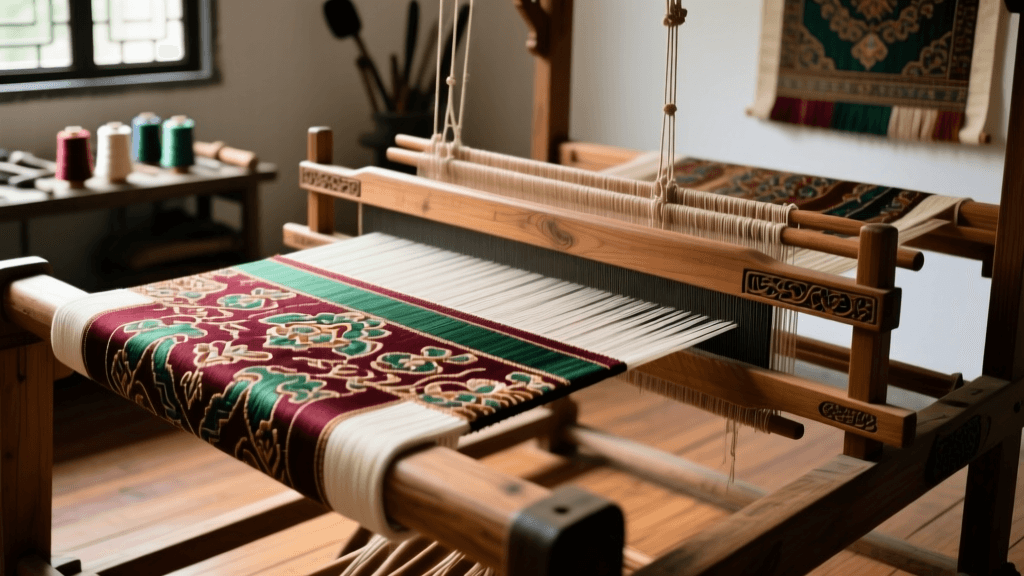
Located in the historic Nishijin district, this rigorous five-day workshop is designed for intermediate to advanced textile artists. The 2026 curriculum has been updated to include a module on 'tech-assisted traditionalism,' where students use 3D body scanning to visualize how traditional straight-line cuts will drape on diverse, modern body types before they begin cutting their silk. Participants spend the first two days operating traditional Jacquard looms to weave their own obi (sash) using metallic threads and raw silk. The final three days are dedicated to the meticulous hand-sewing of the kosode (the main body of the kimono). Students learn the art of shitsuke (basting), which uses temporary, easily removable stitches to hold the garment together for fitting before the final, nearly invisible silk stitching is applied.
2. Kyo-Yuzen Silk Dyeing and Patterning Seminar
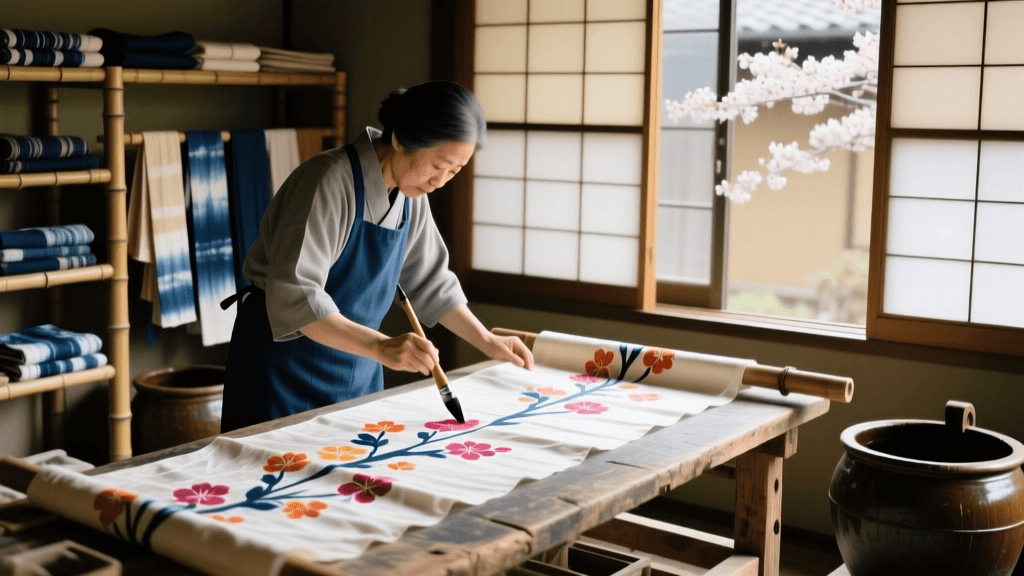
For those captivated by the vibrant, painterly motifs of the kimono, the Kyo-Yuzen seminar is a must-attend. This three-day intensive focuses on the intricate resist-dyeing technique that defines Kyoto's most luxurious garments. In 2026, the seminar places a special emphasis on eco-friendly botanical dyes and newly developed synthetic indigos that reduce water consumption by 40% compared to traditional vats. Students learn to apply itome-nori (a fine rice-paste resist) using specialized conical brass tubes to outline delicate seasonal motifs like cherry blossoms or autumn maples. Once the resist dries, artisans hand-paint the silk using specialized brushes, resulting in a breathtaking, wearable canvas.
3. Sustainable Upcycling: Deconstruction and Rebirth
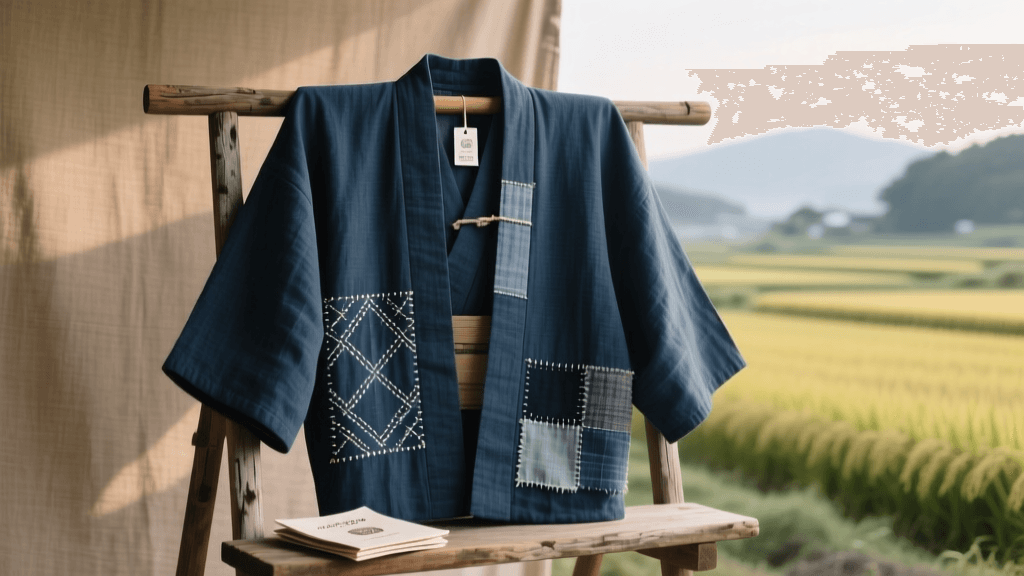
A brand-new addition to the 2026 workshop roster is the 'Deconstruction and Rebirth' seminar. This four-day course teaches students how to carefully deconstruct vintage, damaged kimonos, clean the silk using traditional arai-hari (water washing and stretching) methods, and re-tailor the fabric into modern, everyday garments or pristine new kimonos. It is an incredible opportunity to learn historical seam-ripping and fabric-care techniques while contributing to the circular fashion economy.
Virtual and Hybrid Kimono Making Seminars
Not everyone can travel to Japan, and the artisan community recognizes this. In 2026, virtual workshops have evolved far beyond simple pre-recorded videos. The 'Kimono Renaissance Online' hybrid program offers live, interactive sessions with master tailors in Kyoto, complete with real-time bilingual translation. Upon registration, a comprehensive tanmono kit is shipped globally via DHL. The 2026 kits include pre-scored silk-chiffon for practice, a traditional shaku (ruler), basting thread, and specialized beeswax for thread conditioning. Students learn the fundamental geometry of the kimono, mastering the sleeve attachments and the precise hem-folding techniques required to create the signature weighted drop of the garment.
2026 Workshop Comparison Chart
To help you choose the right path for your textile journey, we have compiled a comparison of the top workshop formats available this year.
| Workshop Type | Duration | 2026 Cost (USD) | Materials Provided | Best For |
|---|---|---|---|---|
| Nishijin Weaving Intensive | 5 Days | $1,450 | Loom access, silk threads, obi base | Advanced Weavers |
| Kyo-Yuzen Dyeing Seminar | 3 Days | $850 | Silk yardage, resist paste, dyes | Intermediate Dyers |
| Upcycling & Deconstruction | 4 Days | $975 | Vintage kimono, cleaning agents | Sustainable Fashion Designers |
| Virtual Tailoring Hybrid | 4 Weeks | $395 | Pre-cut Tanmono kit, tools | Beginners / Global Students |
Essential Tools for the Modern Kimono Artisan
Whether you are attending an in-person seminar or setting up a home studio for a virtual class, understanding the traditional tools of the trade is vital. While 2026 has introduced some modern conveniences, the core toolkit remains beautifully analog:
- Shaku (Ruler): The traditional Japanese measuring stick. One shaku is approximately 37.9 centimeters. Understanding this measurement system is crucial, as all traditional pattern drafting relies on it rather than the metric or imperial systems.
- Hera (Spatula): A smooth, bamboo or tortoiseshell spatula used to crease fabric, mark seam lines, and apply resist pastes. The 2026 market features ergonomic, sustainably harvested bamboo hera that are gentle on delicate silks like chirimen (crepe).
- Kote (Iron): Historically heated by charcoal, the modern kote used in 2026 workshops is a temperature-controlled, electric iron with a specialized narrow tip. It is used to press seams flat and create the sharp, geometric folds required for the collar and hem.
- Shitsuke Ito (Basting Thread): A loosely twisted, easily breakable cotton thread used for temporary stitching. It is designed to snap rather than tear the delicate silk if pulled too tightly.
- Kakehari (Tension Frame): A wooden frame with needles at the ends, used to stretch the fabric taut while sewing long, straight seams. This ensures perfectly even tension without the need for pins, which can leave permanent holes in silk.
Sourcing Authentic Materials Post-Workshop
Once your workshop concludes, the challenge becomes sourcing authentic materials for your independent projects. In the past, purchasing a genuine silk tanmono outside of Japan was nearly impossible for non-Japanese speakers. However, as highlighted by the Japan National Tourism Organization (JNTO), the push for craft-tourism and international artisan support has led to the launch of several English-facing digital portals in 2026. These cooperatives allow global artisans to purchase directly from Kyoto mills, offering everything from unbleached raw silk (kiito) to heavily patterned brocades (donusu), complete with international shipping and digital certificates of authenticity.
Securing Funding and Cultural Grants
The cost of traveling to Kyoto and participating in multi-week intensive seminars can be prohibitive. Fortunately, there are robust financial support systems available for dedicated students. The Japan Foundation offers annual cultural exchange and artistic fellowship grants specifically designed to support international artists studying traditional Japanese arts. Applications for the 2026-2027 fellowship cycle emphasize projects that bridge traditional Asian garment-making techniques with contemporary sustainable fashion practices. Furthermore, many global textile guilds and university fashion departments now offer micro-grants for students pursuing zero-waste pattern drafting research, of which the kimono is the ultimate historical exemplar.
Conclusion
The year 2026 marks a pivotal moment for traditional Asian garments. The kimono is no longer viewed merely as a historical artifact or a ceremonial costume; it is recognized globally as a masterpiece of sustainable engineering and textile artistry. By participating in a Kyoto tailoring or Yuzen dyeing workshop, you are not just learning how to sew—you are actively participating in the preservation of an ancient, zero-waste craft. Whether you are weaving metallic threads in Nishijin or applying rice-paste resist in a quiet Kyoto studio, the skills you acquire will profoundly influence your approach to garment making, sustainability, and cultural appreciation for years to come.