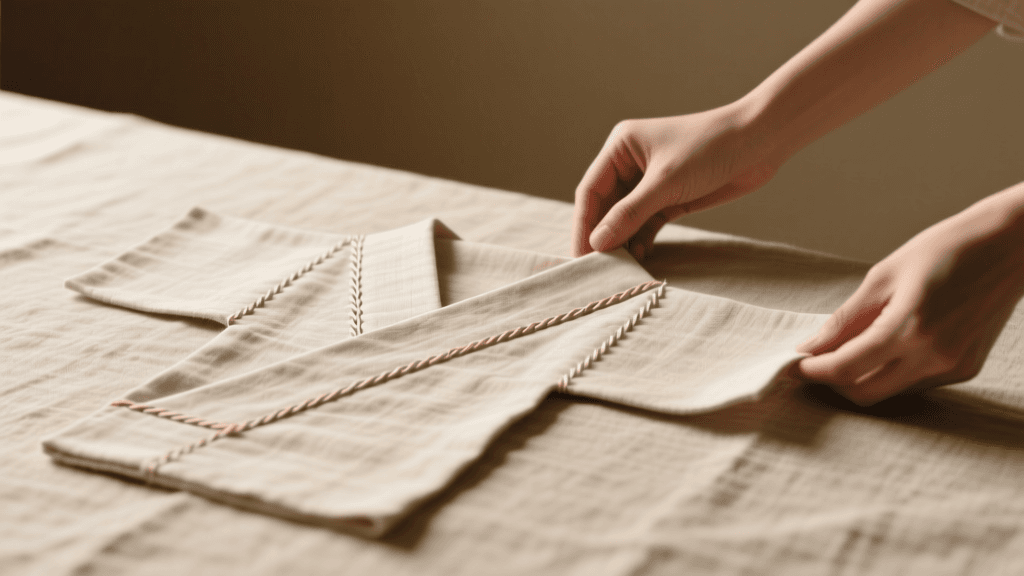
2026 Japanese Sashiko & Noragi Global Collabs Guide
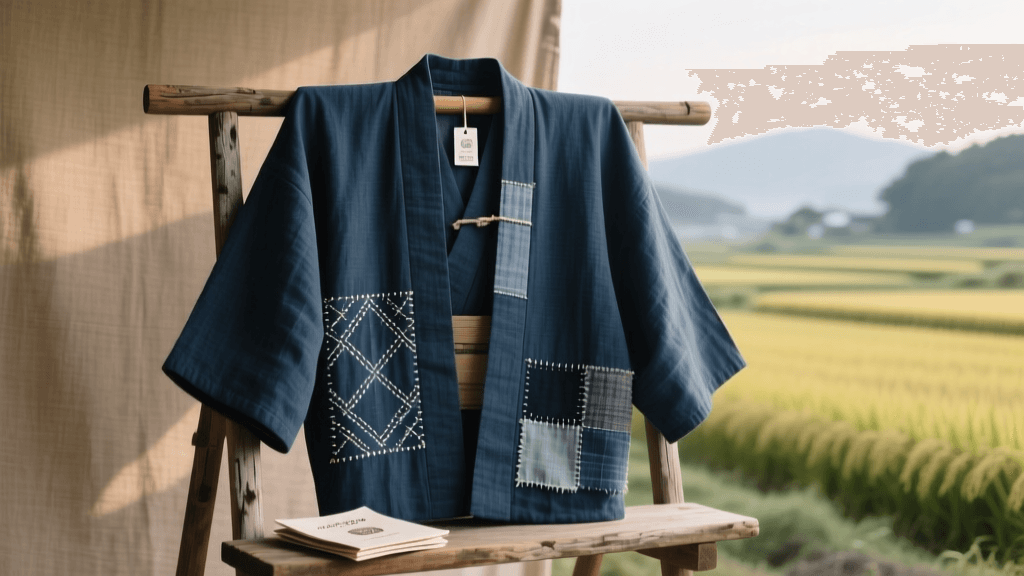
The Evolution of Japanese Artisan Collaborations in 2026
As we navigate the global fashion landscape of 2026, the intersection of traditional Japanese craftsmanship and international design has evolved from superficial aesthetic borrowing to deep, equitable partnerships. Over the past decade, Western luxury houses and streetwear giants frequently utilized Japanese motifs without engaging the actual artisans. However, the 2026 market marks a definitive turning point. Today, international brands are prioritizing direct-to-artisan supply chains, ensuring that the masters of regional textile techniques receive co-branding, equitable compensation, and creative control.
This shift is heavily focused on workwear and mending traditions that embody the philosophy of wabi-sabi—finding beauty in imperfection and transience. According to the historical archives maintained by the Metropolitan Museum of Art, Japanese textiles have long been revered for their complex structural integrity and symbolic depth. In 2026, this historical reverence is being translated into modern luxury through limited-run hybrid garments that merge European tailoring with rural Japanese textile arts.
For collectors, fashion historians, and enthusiasts, understanding the nuances of these 2026 collaborations requires a deep dive into the specific techniques being utilized, the regions they originate from, and the new standards of authentication that have emerged this year.
Core Techniques Defining 2026 International Collaborations
Sashiko: The Art of Decorative Reinforcement
Originating in the Edo period as a practical method for rural workers to mend and reinforce their garments, Sashiko (literally “little stabs”) has become a cornerstone of 2026 high-end streetwear collaborations. Characterized by its running stitch and geometric patterns, Sashiko was traditionally executed in white cotton thread on indigo-dyed fabric. In 2026, international brands are collaborating directly with artisans in Aomori and Okayama prefectures to produce hybrid denim and outerwear. Unlike the machine-embroidered imitations of the early 2020s, the 2026 releases feature verifiable hand-stitching, often requiring up to 40 hours of labor per garment. These pieces are highly sought after for their tactile depth and structural durability.
Boro: The Aesthetics of Mending and Survival
Boro, derived from the Japanese word boroboro (meaning tattered or repaired), represents the ultimate expression of sustainable fashion. Historically, peasant families would patch their hemp and cotton workwear with whatever scrap fabric was available, creating multi-generational, heavily layered textiles. In 2026, European luxury conglomerates are partnering with Japanese archivists and weavers to create contemporary Boro garments. These collaborations utilize vintage, mid-century fabric scraps woven into modern silhouettes like trench coats and structured blazers. The 2026 collections emphasize the narrative of each patch, often including a digital passport that traces the lineage of the indigo-dyed scraps used in the garment.
Noragi and Haori: Silhouettes in Global Outerwear
Beyond surface textiles, the actual architecture of traditional Japanese garments has profoundly influenced 2026 international outerwear. The Noragi (a traditional farmer’s jacket with a straight, boxy cut and wide sleeves) and the Haori (a hip- or thigh-length kimono-style jacket) have replaced the standard Western blazer in several avant-garde 2026 capsule collections. International designers are adopting the T-shaped construction and the absence of darts, relying instead on the drape of heavy, hand-woven Kasuri (ikat) cottons and raw silks to create gender-neutral, fluid silhouettes that prioritize comfort and movement.
2026 Global Collaboration Matrix
To understand how different international markets are engaging with Japanese traditions this year, we have categorized the primary 2026 collaboration archetypes. This matrix highlights the regional techniques, the international partners, and the resulting garment types dominating the current market.
| Collaboration Archetype | Japanese Technique/Region | International Partner Focus | 2026 Signature Garment |
|---|---|---|---|
| Haute Couture Heritage | Kyoto Nishijin-ori (Silk Weaving) | Parisian Luxury Houses | Structured evening coats with metallic thread integration |
| Heritage Streetwear | Okayama Sashiko & Aizome (Indigo) | American Denim & Workwear Brands | Heavyweight 22oz denim jackets with hand-stitched yokes |
| Avant-Garde Techwear | Tokyo Wagara (Traditional Patterns) | European Technical Outerwear Labels | Waterproof Noragi shells with laser-cut geometric motifs |
| Slow Fashion Artisanal | Tohoku Boro & Hemp Weaving | Scandinavian Minimalist Studios | Patchwork wrap coats utilizing vintage hemp scraps |
Sourcing and Authenticating 2026 Releases
With the premium pricing of 2026 collaborative pieces, authentication is critical. The market has seen an influx of mass-produced garments attempting to mimic the Sashiko and Boro aesthetics. To ensure you are purchasing a genuine artisan collaboration, look for the following markers:
- Dento Kogeihin Certification: The Japanese government designates specific crafts as Traditional Craft Products (Dento Kogeihin). Genuine 2026 collaborations will feature the official red and gold certification sticker on the hangtag, verifying the textile was handcrafted in its designated region using traditional methods.
- Artisan Provenance Tags: Top-tier 2026 releases have moved away from generic brand labels. Instead, they feature interior tags signed by the master artisan or the head of the weaving cooperative, often accompanied by a QR code linking to a video of the specific garment’s creation.
- Textile Irregularities: True hand-woven Kasuri and hand-stitched Sashiko will exhibit microscopic irregularities. If the stitching is perfectly uniform under magnification, it is likely machine-made. The Victoria and Albert Museum notes that the slight variations in hand-spun threads are a hallmark of authentic Japanese textile arts.
- Selvedge and Loom Marks: For denim and cotton collaborations, inspect the selvedge line. Authentic Okayama collaborations from 2026 will often feature a custom selvedge ID that includes both the international brand’s logo and the Japanese mill’s traditional emblem.
Preservation and Care for Hybrid Textiles
Owning a piece from a 2026 Japanese-international collaboration requires a departure from standard Western garment care. The fusion of natural Japanese dyes with modern international cuts demands specialized maintenance to preserve the garment’s structural and visual integrity.
Washing Indigo and Boro
Never use standard alkaline laundry detergents on Aizome (natural indigo) or vintage Boro panels, as they will strip the natural oils and fade the dye aggressively. In 2026, specialists recommend using pH-neutral, enzyme-free detergents specifically formulated for raw denim and heritage textiles. Wash garments inside out in cold water, and avoid wringing them out; instead, press the water out gently and hang them to dry in a shaded, well-ventilated area. Direct sunlight will cause the indigo to oxidize and turn brittle.
Storing Silk and Kasuri
For collaborations utilizing Kyoto silk or delicate Kasuri cottons, avoid wire hangers which will distort the T-shaped shoulder construction of Noragi and Haori silhouettes. Use wide, padded wooden hangers. Store the garments in breathable cotton garment bags, and include Japanese cedar blocks (kusunoki) to naturally repel moths and absorb excess humidity without introducing the harsh chemical odors of traditional mothballs.
Mending and Patina
The philosophy of Boro and Sashiko is that the garment is never truly “finished.” If a 2026 collaborative piece tears or frays, do not attempt to hide the repair. Embrace the ethos of the textile by having it visibly mended. Many international brands now offer in-house visible mending services for their 2026 collaborative lines, allowing the garment to continue its evolution and build a unique patina that reflects the wearer’s personal history.
The Future of Craft in Global Fashion
The 2026 landscape of Japanese fashion in international design collaborations represents a maturation of the global apparel industry. By moving past mere visual appropriation and embracing the structural, philosophical, and historical depths of techniques like Sashiko, Boro, and Noragi, international brands are helping to sustain rural Japanese artisan communities. For the consumer, these garments offer more than just seasonal style; they provide a tangible connection to centuries of human resilience, artistry, and the enduring beauty of the handmade.