Best Kyoto Kimono & Seoul Hanbok Tailoring Workshops 2026
The Renaissance of Traditional Asian Garment Making in 2026
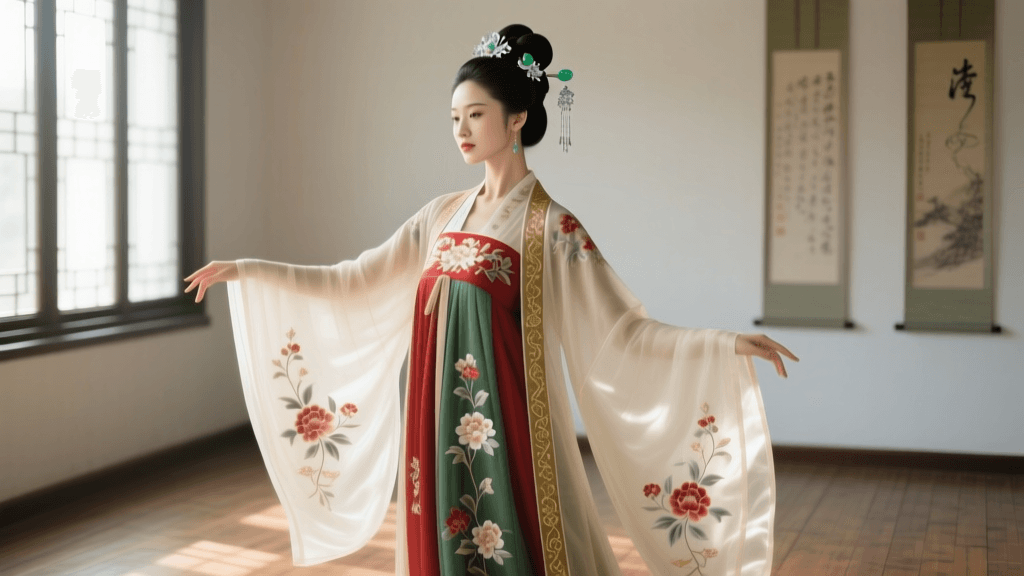
As we navigate the fashion landscape of 2026, the global slow-fashion movement has catalyzed an unprecedented revival in the study of traditional Asian garments. Discerning designers, textile historians, and dedicated hobbyists are no longer satisfied with merely wearing or collecting historical pieces; they are actively seeking to understand the intricate construction, weaving, and tailoring techniques that define these cultural artifacts. According to the UNESCO Intangible Cultural Heritage lists, traditional craftsmanship is experiencing a massive resurgence in global interest, with applications for international textile workshops increasing by over forty percent this year alone.
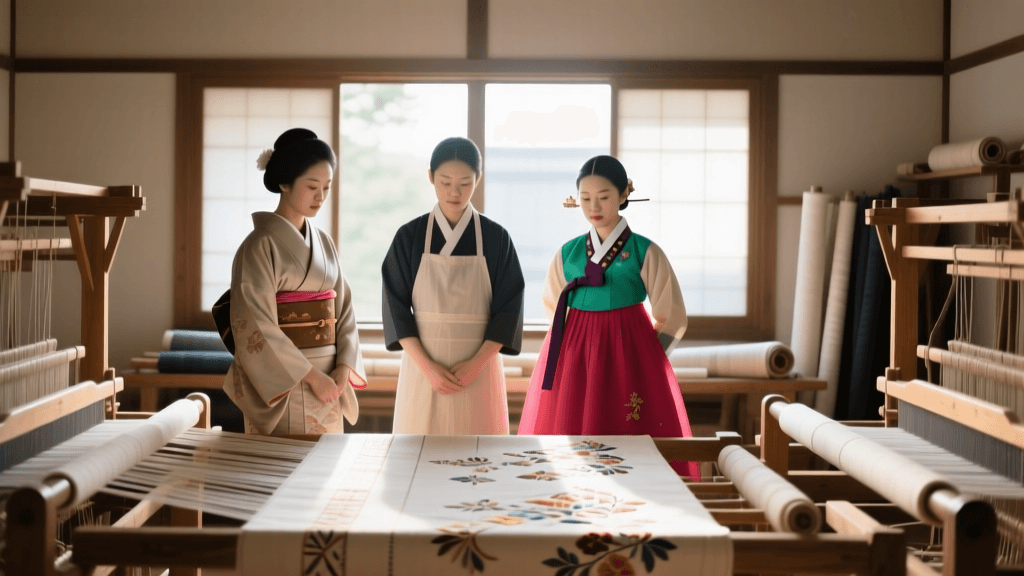
For those looking to immerse themselves in the meticulous art of Asian traditional dress, Japan and South Korea remain the undisputed epicenters of education. The kimono and the hanbok represent two distinct philosophies of garment construction: the kimono relies on straight-line cutting, zero-waste geometry, and complex surface design, while the hanbok emphasizes volumetric draping, curved structural seams, and vibrant color theory. This comprehensive guide explores the most prestigious, hands-on tailoring workshops and seminars available in Kyoto and Seoul for 2026, providing you with the actionable insights needed to plan your educational journey.
Premier Kyoto Kimono Tailoring and Nishijin Weaving Workshops
Kyoto remains the beating heart of Japanese textile arts. In 2026, the city's vocational schools and master ateliers have expanded their English-friendly programs to accommodate the surge in international students seeking authentic wafuku (Japanese clothing) education.
The Kyoto Wafuku Vocational Intensive
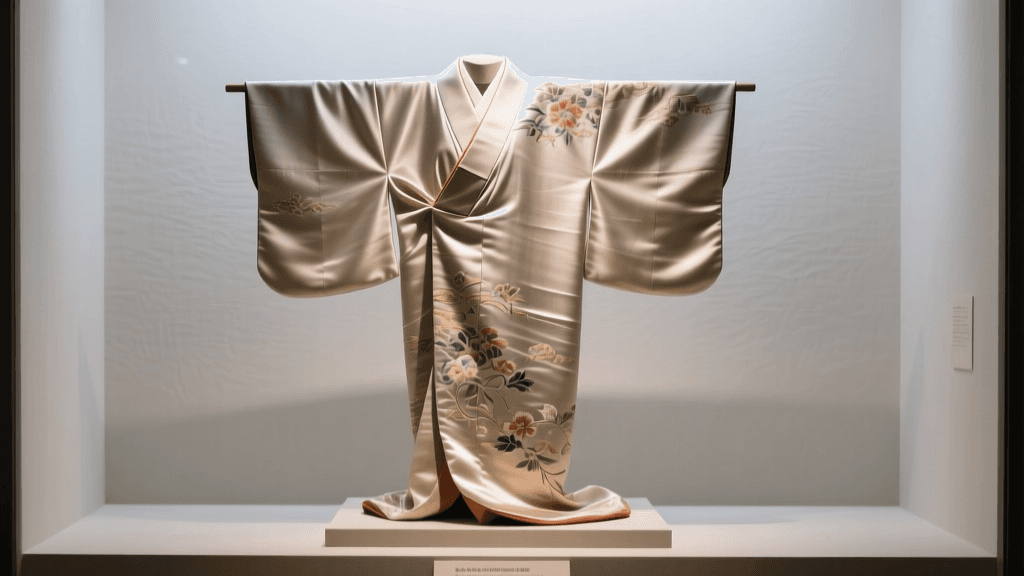
The flagship program for international students in 2026 is the three-week summer intensive offered in Kyoto's Nakagyo Ward. This masterclass focuses on the fundamental architecture of the kimono. Unlike Western tailoring, which relies on curved darts and fitted armholes, kimono construction is based on a modular system of rectangular panels. Students learn the precise shin (standard width) cutting method, ensuring that the fabric can be entirely unpicked, washed, and re-sewn—a hallmark of traditional Japanese sustainability.
The 2026 curriculum places a heavy emphasis on shibori (resist dyeing) and tsutsugaki (rice-paste drawing). Participants spend their mornings in the tailoring studio mastering the shitate (sewing) technique, which requires a specific running stitch that allows the seams to flex and breathe. Afternoons are dedicated to the dye houses in the Arashiyama district, where students learn to manipulate tango crepe silk using wooden clamps and binding threads to create complex geometric patterns before the garment is even cut.
Nishijin Textile Center Obi Masterclasses
While the kimono body is relatively straightforward to construct, the obi (sash) is a masterpiece of structural weaving. The Nishijin Textile Center offers a specialized two-week seminar dedicated entirely to obi construction and Nishijin-ori weaving techniques. Recognized by the Japan National Tourism Organization as a vital cultural preservation initiative, this 2026 seminar allows students to operate both traditional wooden handlooms and modern Jacquard looms. Students learn to weave the stiff, heavily brocaded fukuro obi, mastering the tension control required to incorporate metallic threads and silk floss without warping the textile base.
Elite Seoul Hanbok Construction and Textile Seminars
South Korea's approach to traditional garment education is deeply rooted in the philosophical concepts of eumyang (yin and yang) and the five cardinal colors (obangsaek). In 2026, Seoul's educational institutions have modernized their facilities while strictly preserving the ancestral techniques of hanbok construction.
Seoul Global Hanbok Center: Structural Drafting
Located in the historic Jongno District, the Seoul Global Hanbok Center offers a rigorous four-week certification course for international designers. The 2026 syllabus is divided into two primary modules: the jeogori (upper jacket) and the chima (wrap skirt) or baji (trousers). The most challenging aspect of hanbok tailoring is the baerae, the curved underarm seam of the jeogori. Achieving the perfect, elegant curve that allows for unrestricted arm movement while maintaining a smooth silhouette across the chest requires weeks of dedicated practice.
Students at the center learn the traditional method of drafting patterns directly onto the fabric using a pyeon (ruler) and a water-soluble marking stone, bypassing the need for paper patterns. The seminar also covers the meticulous topstitching (kkokki-jil) that defines the crisp edges of the collar (git) and the white detachable collar protector (dongjeong).
Korea Traditional Craft Workshop: Saekdong and Natural Dyeing
For those fascinated by textile coloration, the Korea Traditional Craft Workshop in Insadong offers a specialized seminar on saekdong (color-blocked patchwork) and natural dyeing. As highlighted by the Korean Culture and Information Service, the preservation of natural dyeing is a national priority in 2026. Students learn to extract dyes from gardenia seeds (for vibrant yellows), indigo leaves (for deep blues), and madder root (for rich reds). The saekdong module teaches the precise mathematical calculations required to piece together narrow strips of dyed silk to form the iconic rainbow sleeves of children's ceremonial hanbok, ensuring that the seams align perfectly without puckering.
Comparative Analysis: Kimono vs. Hanbok Masterclasses
Choosing between a kimono and hanbok workshop depends heavily on your design background, budget, and specific areas of interest. Below is a comparative breakdown of the top 2026 programs to help you make an informed decision.
| Workshop Name | Location | Duration | 2026 Tuition | Primary Focus |
|---|---|---|---|---|
| Kyoto Wafuku Intensive | Kyoto, Japan | 3 Weeks | ¥280,000 | Straight-line cutting, Shibori dyeing |
| Nishijin Obi Seminar | Kyoto, Japan | 2 Weeks | ¥210,000 | Jacquard weaving, brocade tension |
| Global Hanbok Center | Seoul, South Korea | 4 Weeks | ₩2,800,000 | Curved drafting, Jeogori construction |
| Traditional Craft Dyeing | Seoul, South Korea | 2 Weeks | ₩1,500,000 | Obangsaek color theory, Saekdong |
Essential 2026 Toolkit for Traditional Tailoring Students
While most 2026 workshops provide heavy machinery and looms, students are expected to bring or purchase specific hand tools to ensure authenticity in their practice. Investing in high-quality traditional tools is crucial for handling delicate silks and ramie fabrics.
- The Hera (Spatula): Essential for kimono making, this bamboo or bone spatula is used to crease and mark silk fabric without leaving ink stains or permanent indentations. The 2026 market favors the reinforced resin-tipped hera for prolonged use on heavy brocades.
- Temperature-Controlled Kote (Iron): Traditional Japanese tailoring relies on the kote, a small, specialized iron used to press seams open and shape the collar. Modern 2026 electric kotes feature digital temperature controls to prevent scorching highly sensitive tango crepe silk, maintaining the fabric's natural texture.
- Korean Brass Thimbles (Golmu): Hanbok topstitching requires immense finger pressure to push fine needles through multiple layers of silk and cotton batting. A traditional Korean brass thimble, which caps the middle finger entirely, is mandatory for preventing blisters during the kkokki-jil stitching modules.
- Mekik (Weaving Shuttle): For students attending the Nishijin obi seminar, a custom-fitted wooden mekik is highly recommended. Master weavers suggest purchasing a shuttle carved from Japanese persimmon wood, which offers the ideal weight and smoothness for passing through tight warp threads.
- Silk-Specific Needles: Standard Western sewing needles will snag and ruin traditional Asian textiles. Students must procure Japanese mishin-bari (machine needles) sized #9 or #11 for silk, and Korean garam needles, which feature an ultra-fine point and a slightly elongated eye for threading unspun silk floss.
Application, Visas, and Logistics for 2026
Securing a spot in these prestigious 2026 workshops requires advance planning, as class sizes are intentionally kept small—often limited to fewer than ten students—to ensure personalized instruction from master artisans.
For Japan, international students enrolling in programs longer than two weeks must apply for a 'Designated Activities' visa or a short-term cultural exchange visa. The Kyoto Wafuku Vocational school provides the necessary Certificate of Eligibility (COE) upon payment of the 2026 tuition deposit. It is highly recommended to apply at least four months prior to the summer intake to accommodate the Japanese immigration processing times.
South Korea offers a streamlined D-4-1 (General Trainee) or specific cultural activity visa for students attending the Seoul Global Hanbok Center. In 2026, the Korean government has digitized much of the visa application process, allowing students to upload their workshop acceptance letters and proof of financial stability directly through the Korea Visa Portal. Furthermore, many of the Seoul-based workshops have partnered with local guesthouses in the Bukchon Hanok Village, offering subsidized traditional housing that immerses students in the architectural environment that historically influenced the drape and flow of the hanbok.
Conclusion
The decision to study traditional Asian garment making in 2026 is an investment in the future of sustainable, culturally resonant fashion. Whether you are drawn to the geometric purity and dyeing mastery of the Kyoto kimono or the volumetric elegance and vibrant color theory of the Seoul hanbok, these workshops offer an unparalleled opportunity to learn directly from the guardians of these ancient crafts. By mastering these techniques, modern designers and artisans ensure that the profound heritage of Asian traditional dress continues to evolve and inspire for generations to come.