Authentic Hanfu Costumes for Kunqu Opera in 2026: Stage Guide
The 2026 Renaissance of Traditional Chinese Opera Wardrobes
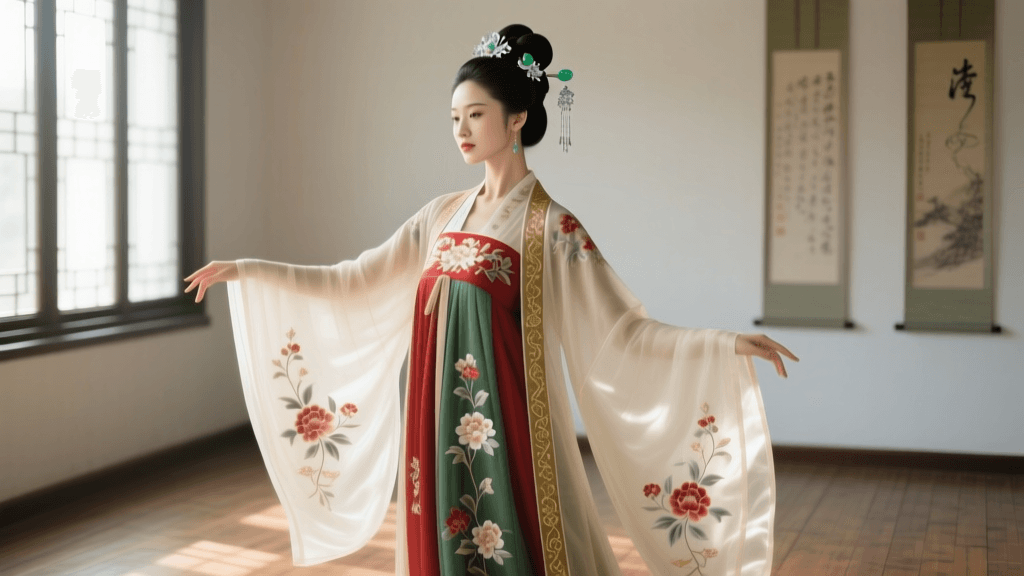
The year 2026 marks a thrilling renaissance in traditional Chinese performing arts, driven by a younger generation of enthusiasts who are bridging the gap between historical Hanfu restoration and theatrical costuming. As amateur Kunqu and Peking Opera troupes proliferate across global cultural hubs, the demand for historically grounded yet stage-functional garments has never been higher. Unlike everyday Hanfu, stage costumes—known collectively as Xifu (戏服)—require specialized tailoring to accommodate acrobatics, stylized movement, and dramatic visual impact under modern theatrical lighting.
For cultural practitioners, university opera societies, and independent performers, sourcing the right garments is a complex endeavor. You must balance historical Ming dynasty silhouettes with the exaggerated aesthetics required for the stage. This comprehensive guide explores how to source, tailor, and maintain authentic Hanfu-inspired opera costumes in 2026, ensuring your troupe looks both historically respectful and theatrically magnificent.
Understanding Xifu: The Theatrical Evolution of Hanfu
To source the correct garments, one must first understand the relationship between historical Hanfu and theatrical Xifu. Kunqu Opera, recognized by UNESCO as a masterpiece of the oral and intangible heritage of humanity, relies heavily on the aesthetic foundation of Ming dynasty clothing. However, theatrical costumes are not strict historical replicas; they are stylized evolutions designed to communicate character, status, and emotion to the back row of a theater.
While a historically accurate Ming dynasty Mamianqun (horse-face skirt) is designed for elegant, restrained movement, a stage skirt is heavily pleated, weighted at the hem, and cut to flare dramatically during spins and kicks. Similarly, the iconic Mang Pao (python robe) worn by high-ranking officials on stage is an exaggerated, highly embroidered evolution of the historical Ming court robe, featuring padded shoulders and extended hems to create a commanding, triangular silhouette.
Sourcing Stage-Ready Hanfu in 2026
In 2026, the market for opera costumes has bifurcated into two main categories: mass-produced synthetic sets for amateur rehearsals, and bespoke, hand-embroidered silk garments for professional showcases. When sourcing from specialized vendors in Suzhou, Hangzhou, or global theatrical suppliers, you must specify that you need stage-cut Hanfu, not street-wear Hanfu.
Fabric Selection for Dynamic Movement
The fabric weight and drape are critical for opera. A standard 12-momme silk used in everyday summer Hanfu will cling to the body under stage lights and tangle during choreography. For 2026 stage productions, the industry standard has shifted toward heavier, structured textiles:
- Heavy Silk Crepe (30-40 Momme): The premium choice for lead roles in Kunqu. It provides a luxurious drape, absorbs stage lighting beautifully, and weighs enough to swing gracefully during turns. Expect to pay between $800 and $1,500 USD for a fully embroidered custom set.
- Polyester-Blend Brocade: Ideal for amateur troupes and ensemble casts. Modern 2026 weaves mimic the stiffness and sheen of silk brocade but are machine-washable and cost between $150 and $300 USD per set.
- Matte Stage Satin: Used for under-layers and inner robes. It provides a smooth surface that allows outer layers to slide over it without catching during rapid costume changes.
Essential Garments: Historical Hanfu vs. Stage Xifu
When communicating with tailors or vendors, it is vital to use the correct terminology. Below is a comparison chart to help you distinguish between historical Ming Hanfu and the theatrical adaptations required for Kunqu and Peking Opera stages.
| Garment Feature | Historical Ming Hanfu | Kunqu / Peking Opera Xifu |
|---|---|---|
| Outer Robe Silhouette | Natural shoulder slope, fluid drape, floor-grazing hem. | Padded or structured shoulders, stiffened collar, hem flared for acrobatic kicks. |
| Sleeves (Shuixiu) | Wide, flowing sleeves ending at the fingertips or mid-hand. | White silk 'water sleeves' attached to the cuff, ranging from 60cm to over 100cm in length. |
| Skirts (Mamianqun) | Flat front and back panels with side pleats, lightweight. | Deep, uniform pleats all around, weighted hems, secured with wide internal ties for vigorous movement. |
| Embroidery Motifs | Subtle, nature-inspired, often woven into the fabric (Zhuanghua). | Bold, high-contrast Su embroidery; dragons, pythons, and phoenixes scaled for visibility from a distance. |
| Collars and Cuffs | Integrated into the garment, varying in width based on fashion. | Thick, heavily embroidered detachable collars and cuffs to protect the main garment from stage makeup and sweat. |
Tailoring for the Stage: Water Sleeves and Embroidery
The most defining feature of traditional Chinese opera costuming is the Shuixiu, or water sleeve. As noted by theatrical historians at Britannica, these elongated white silk cuffs are extensions of the Hanfu sleeve, used as profound tools for emotional expression. A flick of the water sleeve can convey sorrow, anger, or joy, making its construction paramount to the performance.
The Art of Shuixiu (Water Sleeves)
If you are commissioning water sleeves for a 2026 production, the length and fabric must be matched to the performer's skill level and the specific opera genre:
- Amateur / Student Level (60cm - 70cm): Best for beginners learning the basic flicks, folds, and throws. Made from lightweight habotai silk or high-quality polyester chiffon to ensure they catch the air easily.
- Intermediate / Kunqu Standard (80cm - 90cm): The standard for Kunqu opera, which favors softer, more lyrical movements. Made from heavy silk crepe to allow for controlled, fluid ripples that mimic the flow of water.
- Professional / Peking Opera Standard (100cm+): Used by highly trained performers capable of complex martial and acrobatic sleeve techniques. Requires weighted tips and immense wrist strength.
Pro-Tip for Tailors: Ensure the water sleeve is attached to the main robe's cuff with a hidden, reinforced cotton binding. The sheer force of a rapid sleeve retraction can tear delicate silk brocade if the seam is not properly fortified.
Color Theory and Character Archetypes
In traditional performing arts, color is never arbitrary; it is a strict code that instantly communicates a character's archetype to the audience. When sourcing Hanfu-inspired stage garments, adhere to the traditional color coding:
- Yellow / Gold: Reserved exclusively for emperors and the imperial family. The embroidery will feature five-clawed dragons.
- Red: Denotes high-ranking officials, nobility, and characters of great loyalty and bravery. Often features four-clawed pythons (Mang).
- Black: Worn by fierce, martial, or unyielding characters. The stark contrast of black satin with silver or gold embroidery reads powerfully under stage lights.
- Pale Blue / Pink / White: Typically worn by young scholars, maidens, and romantic leads in Kunqu operas like The Peony Pavilion. These garments feature delicate floral embroidery rather than mythical beasts.
Caring for Your Opera Wardrobe
Theater costumes represent a significant financial investment, and the rigorous environment of the stage—complete with heavy sweat, theatrical makeup, and rapid changes—can quickly degrade delicate textiles. In 2026, professional wardrobe masters recommend a strict maintenance protocol for Hanfu-based Xifu.
1. The Barrier Layer: Never allow stage makeup or bare skin to touch the inner collar of a silk robe. Always wear a high-necked, washable cotton undershirt (often called a shuiyi) to absorb sweat and protect the embroidered collar from foundation and oils.
2. Spot Cleaning and Airing: Heavy silk brocades and metallic thread embroideries should never be submerged in water or dry-cleaned with harsh chemicals, as this will strip the metallic threads of their luster. Instead, use a specialized textile steamer to remove odors and kill bacteria, and spot-clean stains with a mild, pH-neutral enzyme cleaner.
3. Storage: Never hang heavy, fully embroidered Mang robes on standard hangers; the weight of the embroidery will warp the shoulder seams over time. Fold the garments with acid-free tissue paper to prevent creasing, and store them in breathable cotton canvas bags in a climate-controlled environment to prevent humidity damage and moth infestations.
Conclusion
The fusion of historical Hanfu silhouettes with the dynamic requirements of Kunqu and Peking Opera represents one of the most fascinating intersections of fashion and performance art. By understanding the structural differences between street-wear Hanfu and stage Xifu, carefully selecting appropriate fabric weights, and respecting the traditional color and embroidery codes, modern troupes can create visually stunning, culturally resonant productions. As the global appreciation for Asian traditional performing arts continues to grow in 2026, investing in high-quality, stage-accurate garments ensures that the legacy of these magnificent art forms will endure for generations to come.