Traditional Geta & Zori Footwear Craft: 2026 Buyer Guide
The Enduring Legacy of Japanese Footwear in 2026
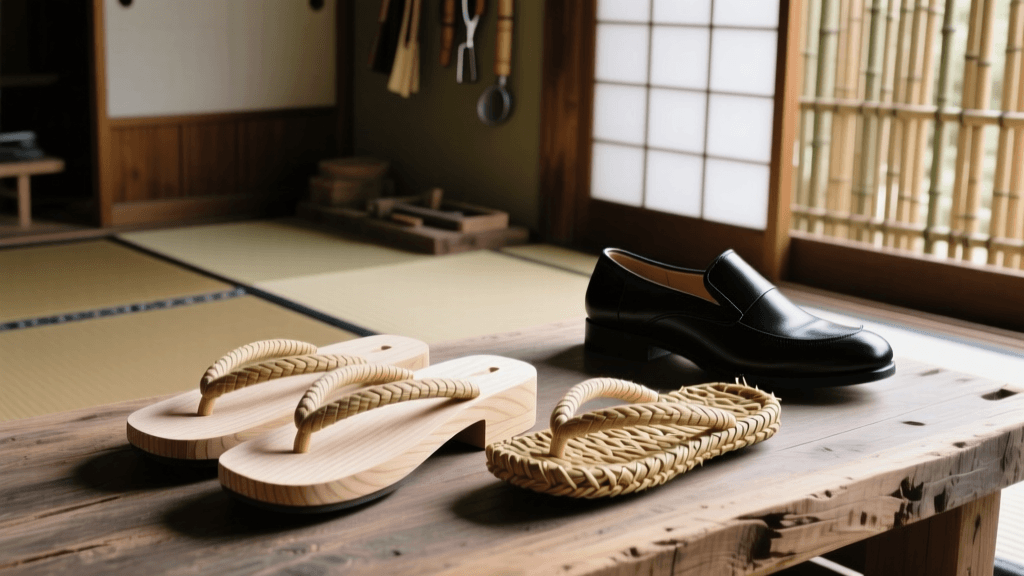
As the global fashion industry pivots heavily toward sustainable, slow-fashion movements in 2026, traditional Japanese footwear has experienced a remarkable renaissance. Far from being mere historical relics, geta (wooden clogs) and zori (flat sandals) are being embraced by a new generation of artisans and consumers who value biodegradable materials, ergonomic design, and centuries-old craftsmanship. Whether you are attending a summer matsuri (festival), participating in a tea ceremony, or simply looking to integrate heritage pieces into a contemporary wardrobe, understanding the nuanced craft of Japanese footwear is essential.
In 2026, the intersection of heritage preservation and modern wearability is more vibrant than ever. Artisans in Kyoto, Nara, and Tokyo are utilizing sustainably harvested hinoki (Japanese cypress) and organically farmed igusa (rush grass) to create footwear that is as kind to the earth as it is to the foot. According to the Ministry of Economy, Trade and Industry (METI), government initiatives this year have heavily subsidized traditional craft workshops, ensuring that the meticulous hand-weaving and wood-carving techniques are passed down to the next generation of makers.
Geta vs. Zori: Understanding the Core Differences
While often grouped together by international observers, geta and zori serve distinctly different purposes, constructed from different base materials and suited for varying levels of formality. Understanding these differences is the first step in curating an authentic collection.
| Feature | Geta (Wooden Clogs) | Zori (Flat Sandals) |
|---|---|---|
| Base Material | Solid wood (Hinoki, Kiri, or Cedar) | Woven rush (Igusa), bamboo skin, leather, or EVA foam |
| Sole Profile | Elevated on "teeth" (ha) or solid platform | Flat, slightly tapered at the toe, wedge-shaped |
| Primary Use Case | Casual wear, yukata, festivals, rainy weather | Formal wear (kimono), tea ceremonies, martial arts |
| Acoustic ProfileDistinctive, rhythmic "clack" (karankoron) | Silent or soft rustling | |
| 2026 Avg. Artisan Price | ¥25,000 - ¥45,000 ($165 - $300 USD) | ¥15,000 - ¥35,000 ($100 - $230 USD) |
The Craftsmanship: Hinoki Wood and Igusa Grass
The Woodworking of Geta
The soul of a premium geta lies in its wooden base, known as the dai. In 2026, the most sought-after material remains hinoki (Japanese cypress). Prized for its lightweight properties, natural rot resistance, and calming, citrus-like aroma, hinoki is carefully kiln-dried over several months to prevent warping. Master woodworkers use specialized chisels to carve the ha (teeth) from a single block of wood, ensuring structural integrity. For those seeking a lighter option, kiri (paulownia) wood is utilized, often treated with natural tung oil to darken the grain and protect against moisture.
The Weaving of Igusa Zori
The zori represents a mastery of textile and botanical weaving. The highest quality zori soles are woven from igusa, the same rush grass used in premium tatami mats. Sourced primarily from Kumamoto Prefecture, the 2026 harvest has been celebrated for its exceptional tensile strength, a result of recent organic soil revitalization projects. Artisans weave the igusa tightly around a hemp core, creating a sole that is breathable, naturally antimicrobial, and slightly yielding to the arch of the foot. The weaving process requires immense hand strength and precision, with a single pair of hand-woven igusa zori taking up to three days to complete.
Sizing and Fit: The Art of the Perfect Overhang
One of the most common mistakes international buyers make when purchasing traditional Japanese footwear is applying Western sizing logic. In Western shoemaking, a half-inch of space is left in front of the toes to allow for forward movement. In Japanese footwear, this logic is inverted.
The Golden Rule of Fit: Your heel should slightly overhang the back edge of the geta or zori by approximately 1 to 2 centimeters. Furthermore, the toes should rest flush with, or just barely inside, the front edge.
Why the overhang? When walking in geta or zori, the foot naturally grips the hanao (thong) to lift the shoe. If the base is too long, the back edge will catch on the ground or the heel of your other foot, causing dangerous tripping hazards. Additionally, a proper overhang ensures that rain and mud are not kicked up onto the back of your kimono or yukata. When shopping in 2026, always measure your exact foot length in centimeters and subtract 0.5 cm to find your ideal dai length.
Hanao: Customization and Knotting Techniques
The hanao is the fabric strap that secures the footwear to the foot. Far from being a simple strap, the hanao is a highly customizable element that dictates both the formality and the comfort of the shoe. The front knot is called the maetsubo, while the two side knots are the yokotsubo.
- Casual Cotton & Vinyl: For everyday geta worn with yukata, durable cotton or weather-resistant vinyl hanao in vibrant prints are the standard. In 2026, upcycled silk and hemp blends are trending heavily among eco-conscious youth in Tokyo's Harajuku district.
- Formal Silk & Velvet: For formal zori worn with kimono, the hanao is typically made of luxurious silk brocade or soft velvet. The color of the hanao traditionally coordinates with the kimono's obi (sash).
- The Hidden Core: Modern artisan hanao often feature a hidden core of high-tensile nylon or braided Kevlar, wrapped in traditional silk. This 2026 innovation ensures the strap never snaps under pressure, while maintaining the authentic historical aesthetic on the outside.
Caring for Your Traditional Footwear
Investing in handcrafted Japanese footwear requires a commitment to proper maintenance. Because these items are made from natural, biodegradable materials, they react to humidity, sweat, and UV exposure.
Maintaining Wooden Geta
Untreated wood will absorb moisture and eventually crack. Once a year, lightly sand the bottom of the ha (teeth) to remove embedded dirt and reapply a thin coat of kiri oil or natural perilla oil. Never leave geta in direct sunlight or near a radiator, as rapid drying will split the hinoki wood. If the wooden teeth wear down unevenly from your specific gait, a cobbler specializing in traditional footwear can attach replaceable rubber or polyurethane caps to the bottom, a popular service in 2026 that extends the life of the wood indefinitely.
Preserving Igusa Zori
Igusa is highly susceptible to mold in humid environments. After wearing your zori, wipe the soles with a dry, soft-bristled brush to remove skin oils and dust. Store them in a kiribako (paulownia wood box), which naturally regulates humidity and repels insects. If the igusa begins to fray at the edges, it is a sign that the footwear has reached the end of its lifecycle, gracefully returning to the earth if composted.
Where to Source Authentic Artisan Footwear Today
While mass-produced, injection-molded EVA foam zori are ubiquitous in souvenir shops, true collectors and cultural enthusiasts seek out heritage workshops. The Kyoto City Tourism Association highly recommends visiting the Gion and Higashiyama districts, where multi-generational shops like Tsujiya Honten have been crafting bespoke footwear for centuries. Here, you can sit with an artisan, select your preferred hinoki block, choose your silk hanao, and watch as the knots are tied specifically to the arch of your foot.
In Tokyo, the Asakusa district remains the epicenter of festival-grade geta. Shops lining Nakamise-dori offer a bridge between historical craftsmanship and modern aesthetics, often collaborating with contemporary textile designers to create limited-edition hanao patterns that reflect the current season's motifs.
Conclusion: Stepping into the Future with Heritage
The craft of geta and zori is a testament to the Japanese philosophy of monozukuri—the art of making things with profound dedication and respect for materials. As we move through 2026, the choice to wear traditional footwear is not merely an aesthetic decision; it is an endorsement of sustainable forestry, organic agriculture, and the preservation of human-centric craftsmanship. By understanding the materials, mastering the fit, and caring for your footwear, you participate in a living tradition that continues to walk gracefully into the future.