Bespoke Geta & Zori Craftsmanship: 2026 Buyer Guide
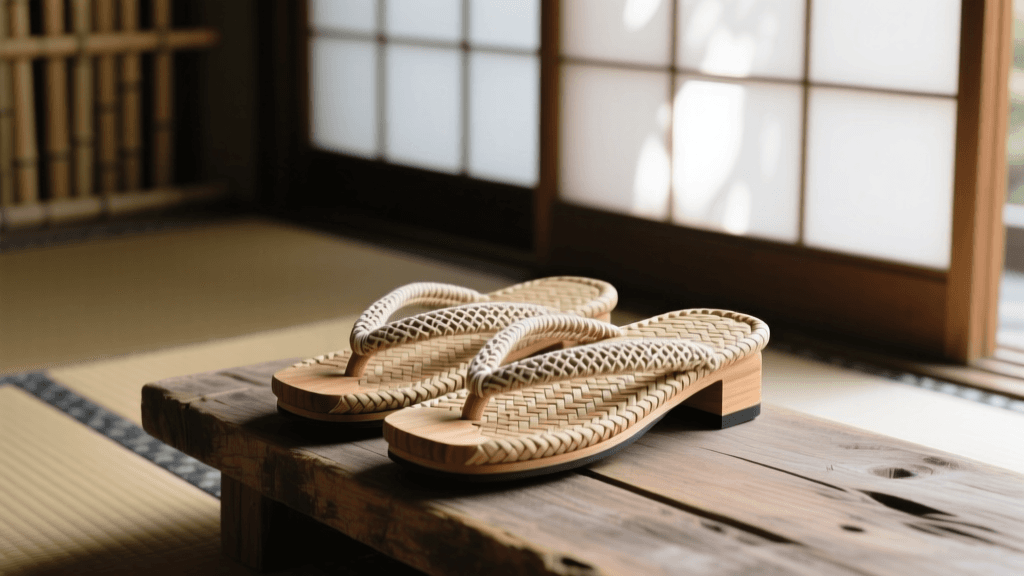
The Renaissance of Traditional Japanese Footwear in 2026
The rhythmic clack of wooden geta on stone-paved streets is a sensory hallmark of Japan’s historic districts, from the geisha alleys of Kyoto’s Gion to the bustling summer festivals of Tokyo. In 2026, traditional Japanese footwear is experiencing a profound renaissance. Driven by a global resurgence of interest in artisanal, slow-fashion garments and a domestic push toward sustainable heritage crafts, bespoke geta (wooden clogs) and zori (flat sandals) are no longer just ceremonial relics. They are highly sought-after, customizable pieces of functional art.
According to the Victoria and Albert Museum (V&A), the silhouette of traditional Japanese dress is intrinsically tied to its footwear; the kimono’s flowing hem requires specific footwear heights and walking gaits to maintain elegance and prevent fabric damage. Today, master artisans are blending centuries-old woodworking techniques with 2026’s ergonomic innovations and eco-conscious materials. Whether you are a collector of Asian traditions, a kimono enthusiast, or a traveler seeking an authentic bespoke experience, understanding the nuances of Japanese footwear craftsmanship is essential.
Geta vs. Zori: Understanding the Foundations
Before commissioning a bespoke pair, it is vital to distinguish between the primary categories of traditional Japanese footwear. While both utilize the hanao (the Y-shaped thong strap), their bases, use cases, and formality levels differ drastically.
| Feature | Geta (Wooden Clogs) | Zori (Flat Sandals) | Waraji (Straw Sandals) |
|---|---|---|---|
| Base Material | Paulownia, Cedar, Cypress | Tatami, Leather, Vinyl, Brocade | Rice Straw |
| Best For | Yukata, Casual Summer Kimono | Formal Kimono, Tea Ceremonies | Festivals, Historical Reenactment |
| 2026 Avg. Bespoke Price | ¥25,000 - ¥45,000 | ¥18,000 - ¥60,000 | ¥5,000 - ¥12,000 |
| Walking Technique | Suriashi (sliding), heel-toe | Suriashi, flat-footed | High stepping, toe-gripping |
| Weather Resistance | Low (requires careful drying) | Medium (leather/vinyl options) | Very Low (traditionally disposable) |
Note: Prices reflect early 2026 market rates for artisan-crafted, bespoke pairs in major hubs like Kyoto and Tokyo, factoring in recent shifts in sustainable timber sourcing and artisan labor valuations.
The Art of Bespoke Craftsmanship: Wood and Hanao
Selecting the Right Wood Base (Dai)
The foundation of a geta is the dai (wooden base). In 2026, the Ministry of Economy, Trade and Industry (METI) has placed a strong emphasis on sustainable forestry practices for traditional crafts. Artisans now heavily promote three primary woods, each offering distinct acoustic and physical properties:
- Paulownia (Kiri): The gold standard for everyday geta. Kiri is exceptionally lightweight, naturally moisture-wicking, and produces a bright, crisp clack. It is ideal for summer festivals and prolonged walking.
- Cedar (Sugi): Slightly heavier and softer than Paulownia, Cedar offers a deep, resonant sound and a beautiful, aromatic grain. It is often chosen for its natural antibacterial properties.
- Cypress (Hinoki): A premium, dense wood reserved for high-end bespoke commissions. Hinoki is highly water-resistant and incredibly durable, often finished with raw, eco-friendly urushi lacquers to highlight its tight grain.
Hanao Customization and Ergonomics
The hanao is the Y-shaped strap that secures the foot. In 2026, the most exciting developments in footwear craft are happening here. While traditional velvet and leather remain popular, modern artisans are incorporating upcycled vintage kimono silk, reducing textile waste while offering vibrant, one-of-a-kind patterns. Furthermore, hidden beneath the traditional fabric exteriors, 2026’s bespoke hanao frequently feature memory-foam cores and ergonomic arch-support inserts, bridging the gap between Edo-period aesthetics and modern orthopedic comfort.
Sizing, Fitting, and the Art of Suriashi
One of the most common mistakes Western buyers make is ordering traditional Japanese footwear in their exact Western shoe size. Traditional footwear requires a completely different fitting philosophy.
The Overhang Rule
When measuring for bespoke geta or zori, the base should be 1 to 2 centimeters shorter than your actual foot length. Your heel should slightly overhang the back edge of the wooden base. This is not a design flaw; it is a functional necessity. If the base is too long, the back of the geta will catch the hem of your kimono or yukata, potentially causing you to trip or damaging expensive silk garments.
Mastering Suriashi (The Sliding Step)
Traditional footwear dictates a specific walking gait known as suriashi. Instead of the Western heel-strike and toe-push, suriashi involves sliding the feet close to the ground, keeping the upper body remarkably still. When wearing geta, you must grip the hanao with your big and second toes, lifting the clog slightly and setting it down flat or slightly heel-first to achieve the signature rhythmic clack without scuffing the wood.
Top Artisan Workshops to Visit in 2026
If you are planning a trip to Japan in 2026, visiting a master cobbler is a must. Due to the post-pandemic tourism boom and a renewed domestic appreciation for heritage crafts, wait times for bespoke commissions have extended significantly.
- Tsujiya Honten (Kyoto): Located near the Yasaka Shrine, this legendary workshop has been crafting geta for generations. In 2026, they offer a highly popular "Eco-Kiri" line, utilizing reclaimed Paulownia from dismantled traditional machiya townhouses. Expect bespoke wait times of 6 to 8 weeks, with prices starting around ¥28,000.
- Motoji (Tokyo, Ginza): While famous for high-end kimono, Motoji’s footwear department offers exquisite formal zori tailored for weddings and tea ceremonies. Their 2026 collection features brocade bases woven with recycled metallic threads, starting at ¥45,000.
Essential Care and Maintenance Guide
Wood and natural fibers require specific care to survive Japan’s humid summers and dry winters. Follow this 2026 maintenance protocol to ensure your bespoke footwear lasts a lifetime:
- Moisture Management: Never leave wet geta in direct sunlight or near a heater, as the wood will warp or crack. Wipe them with a dry microfiber cloth and let them air-dry in a well-ventilated, shaded area.
- Annual Oiling: Once a year, apply a thin layer of tsubaki abura (camellia oil) to unfinished Paulownia or Cedar bases. This nourishes the wood, prevents drying, and enhances the grain.
- Hanao Tightening: Over time, the knot inside the geta base may loosen. Most artisan shops offer complimentary hanao re-tightening if you visit in person, or you can use a specialized geta knot-pushing tool to secure the internal anchor.
- Proper Storage: Store your footwear in a breathable wooden getabako (clog box) with a small packet of silica gel to regulate humidity. Avoid plastic bins, which trap moisture and promote mold on the hanao fabric.
Sustainability and the Future of Footwear
The Japan National Tourism Organization (JNTO) has heavily promoted sustainable traditional crafts in 2026, highlighting workshops that minimize environmental impact. Modern artisans are experimenting with bio-resins to waterproof the teeth (ha) of the geta without using toxic synthetic lacquers. Additionally, the revival of waraji (straw sandals) for local Shinto festivals has spurred community-led rice-straw upcycling programs, ensuring that agricultural byproducts are woven into functional, biodegradable art rather than burned.
"A kimono may drape the body in beauty, but it is the geta that connects the wearer to the earth. When we carve the wood, we are not just making a shoe; we are tuning an instrument that plays the song of the wearer's journey."
— Master Artisan, Tsujiya Workshop, Kyoto
Conclusion
Investing in bespoke geta or zori in 2026 is an investment in living history. By understanding the distinct roles of wood types, mastering the proper fit and walking gait, and supporting artisans who prioritize sustainable forestry, you do more than acquire a beautiful accessory. You become an active participant in the preservation of Asian traditions, ensuring that the rhythmic, poetic clack of wooden clogs continues to echo through the streets of Japan for generations to come.