Bespoke Geta And Zori Craft Guide 2026: Artisan Footwear
The Resurgence of Traditional Japanese Footwear in 2026
In the rapidly evolving landscape of global fashion, 2026 has marked a profound renaissance for traditional Japanese footwear. As consumers increasingly pivot away from mass-produced fast fashion, the artisanal craftsmanship of geta (wooden clogs) and zori (flat sandals) has experienced a remarkable revival. This resurgence is not merely nostalgic; it is driven by a modern demand for sustainability, ergonomic mindfulness, and a deep connection to cultural heritage. Today, master artisans in Kyoto, Tokyo, and regional hubs like Hita in Oita Prefecture are blending centuries-old woodworking techniques with contemporary sustainable practices, creating bespoke footwear that resonates with the modern wearer.
According to the Ministry of Economy, Trade and Industry (METI), designated traditional craft industries have seen a renewed interest from younger demographics in 2026, particularly in items that merge daily utility with artisanal beauty. Footwear craft, once considered a fading art, is now at the forefront of this movement, with workshops reporting record numbers of apprenticeships and international commissions.
Understanding the Anatomy: Geta vs. Zori
To appreciate the craft, one must first understand the distinct structural elements that define these two iconic styles of footwear. While both utilize the hanao (the V-shaped thong strap), their bases and purposes differ significantly.
The Geta (Wooden Clogs)
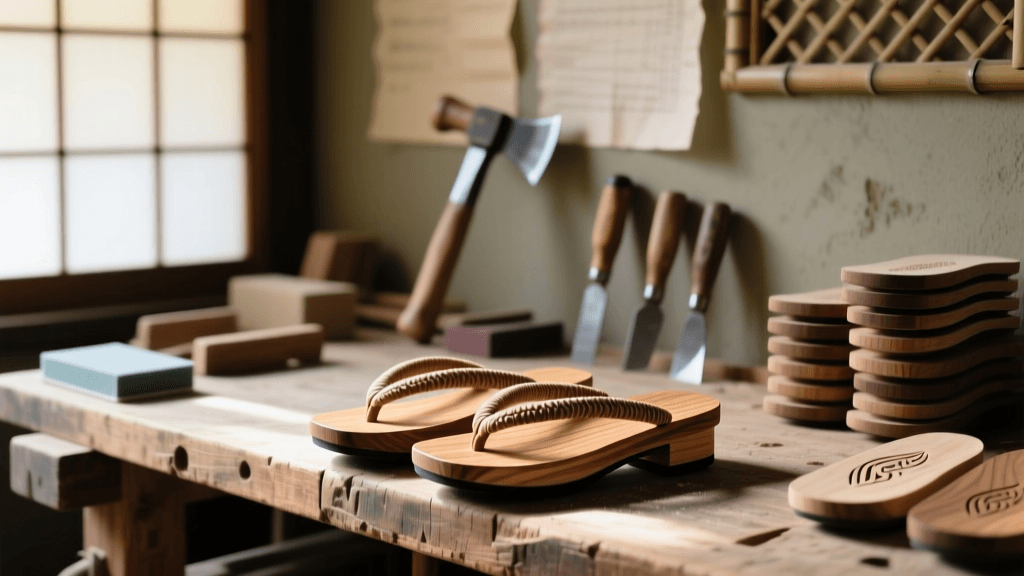
The geta is characterized by its elevated wooden base, known as the dai. The underside typically features one to three wooden "teeth" called ha. Originally designed to keep the hem of expensive silk kimono clean from mud and rain, the modern geta in 2026 is celebrated for its posture-correcting properties. The elevated heel forces the wearer to engage their core and calf muscles, promoting a natural, upright spine alignment. The signature "clack-clack" sound, or karankoron, remains one of the most beloved auditory symbols of Japanese summers and festival seasons.
The Zori (Flat Sandals)
Unlike the elevated geta, the zori features a flat base. Historically woven from rice straw (wara) or rushes (igusa), contemporary 2026 zori are frequently crafted from high-density EVA foam for weather resistance, or wrapped in luxurious silk brocade and woven rattan for formal occasions. The zori is the mandatory footwear for formal kimono ensembles, offering a sleek, grounded profile that complements the flowing lines of traditional garments.
The 2026 Artisan Craft: Sustainability and Material Sourcing
The hallmark of 2026's traditional footwear craft is an uncompromising commitment to ecological sustainability. Master craftsmen are moving away from imported, chemically treated woods and returning to domestically sourced, sustainably harvested Japanese timber.
- Paulownia Wood (Kiri): The gold standard for geta. Paulownia is incredibly lightweight, naturally water-resistant, and possesses a beautiful, pale grain. In 2026, artisans are exclusively using FSC-certified paulownia from managed forests in the Tohoku region, ensuring that for every tree harvested, three are planted.
- Hinoki (Japanese Cypress): Reserved for premium, aromatic geta. Hinoki contains natural antibacterial oils that prevent odors and rot, making it ideal for footwear worn in humid climates.
- Upcycled Textiles for Hanao: The straps are no longer limited to virgin silk or synthetic velvet. Many 2026 collections feature hanao woven from upcycled vintage kimono silk, recycled ocean plastics, and organic hemp, reflecting a zero-waste philosophy championed by the Japan Kogei Association.
Comparison Chart: Traditional Footwear Styles
When commissioning or purchasing traditional footwear, it is essential to match the style to the occasion. Below is a comprehensive guide to the primary styles available from bespoke artisans in 2026.
| Footwear Type | Primary Material | Best Use Case | 2026 Average Bespoke Price |
|---|---|---|---|
| Geta (Two-Tooth) | Paulownia Wood | Yukata, Summer Festivals, Casual Strolls | ¥35,000 - ¥60,000 |
| Geta (Senryo - Flat) | Hinoki Cypress | Tea Ceremony, Indoor Formal Events | ¥50,000 - ¥85,000 |
| Zori (Formal) | Silk Brocade / Rattan | Weddings, Formal Kimono, Graduations | ¥40,000 - ¥120,000 |
| Zori (Casual Igusa) | Woven Rush Grass | Daily Wear, Jinbei, Loungewear | ¥15,000 - ¥25,000 |
| Setta | Leather / Iron Heel | Samurai Heritage, Martial Arts, Formal Male Attire | ¥60,000 - ¥150,000 |
The Sensory Experience and Zen Philosophy
Wearing bespoke geta and zori is not merely a fashion choice; it is a profound sensory and spiritual experience deeply rooted in Zen philosophy. In 2026, wellness practitioners and mindfulness coaches have increasingly prescribed "geta walking" as a form of moving meditation, akin to the Zen practice of kinhin (walking meditation).
The sensory feedback is immediate. The firm, unyielding surface of the paulownia wood stimulates the acupressure points on the sole of the foot, promoting circulation and grounding the wearer's energy. The aromatic scent of raw hinoki cypress releases phytoncides, which have been scientifically proven to lower cortisol levels and reduce stress. Furthermore, the necessity of gripping the hanao with the toes engages the foot's intrinsic muscles, reconnecting the modern human—often confined to restrictive, cushioned shoes—with the earth. As noted by cultural heritage advocates at the Japan National Tourism Organization (JNTO), preserving these crafts is vital not just for aesthetic history, but for maintaining traditional Japanese approaches to holistic well-being and mindful living.
How to Commission Bespoke Footwear in 2026
Commissioning a custom pair of geta or zori is a highly personalized journey. While many artisans in Kyoto's Gion district and Tokyo's Asakusa neighborhood welcome international clients via digital consultations, the process remains deeply traditional.
Step 1: Foot Measurement and Last Carving
Unlike Western shoemaking, which often relies on standardized lasts, Japanese footwear is measured using a specialized wooden ruler called a sunpu. The artisan measures not only the length and width of the foot but also the arch height and the exact placement of the toes. For bespoke geta, the wooden dai is carved to match the exact contour of your heel and the ball of your foot, ensuring that your weight is distributed perfectly over the wooden teeth.
Step 2: Selecting the Hanao (Straps)
The hanao is the soul of the footwear. In 2026, clients are offered extensive digital catalogs of sustainable textiles. You will select the outer fabric (often a vintage silk or a modern organic cotton blend) and the inner core, which is traditionally made from soft, braided cotton or hemp to prevent blistering. The artisan will also dye the velvet nose-piece (tsubo) to perfectly match or elegantly contrast with your chosen textile.
Step 3: Fitting and Adjustment
The final step is the insertion of the hanao into the pre-drilled holes of the wooden base. This is done entirely by hand, using specialized hooks and pliers. The tension of the strap is critical: it must be tight enough to hold the foot securely without cutting off circulation, and the V-shape must align perfectly with the webbing between your first and second toes. A master craftsman will often make micro-adjustments while the client stands, ensuring the "bite" of the wood on the ground is perfectly balanced.
Caring for Your Artisan Footwear
To ensure your bespoke geta and zori last for decades, proper maintenance is essential. Wood is a living material that reacts to its environment.
- Oiling the Wood: Once a year, apply a thin layer of natural tung oil or specialized paulownia oil to the bare wood of your geta. This prevents the wood from drying out and cracking during winter months.
- Hanao Replacement: The straps are designed to be replaceable. Depending on usage, a hanao may need replacing every three to five years. Most original artisans offer a restringing service, which costs a fraction of buying a new pair and keeps the original, perfectly molded wooden base.
- Moisture Control: Never leave wooden geta in direct, scorching sunlight or near a radiator, as rapid temperature changes will warp the wood. Store them in a breathable cotton bag in a cool, dry place.
Conclusion
The year 2026 stands as a testament to the enduring relevance of Japanese artisanal crafts. Bespoke geta and zori are no longer relics of the past confined to museum displays; they are dynamic, sustainable, and deeply therapeutic footwear choices for the modern world. By investing in a custom-carved pair, you are not only acquiring a masterpiece of woodworking and textile art but also participating in the vital preservation of a centuries-old cultural legacy. Whether you are walking the stone paths of a Kyoto temple or navigating the bustling streets of a modern metropolis, traditional Japanese footwear offers a grounded, mindful connection to every step you take.