Authentic Geta & Zori Craft: Japanese Footwear Guide 2026
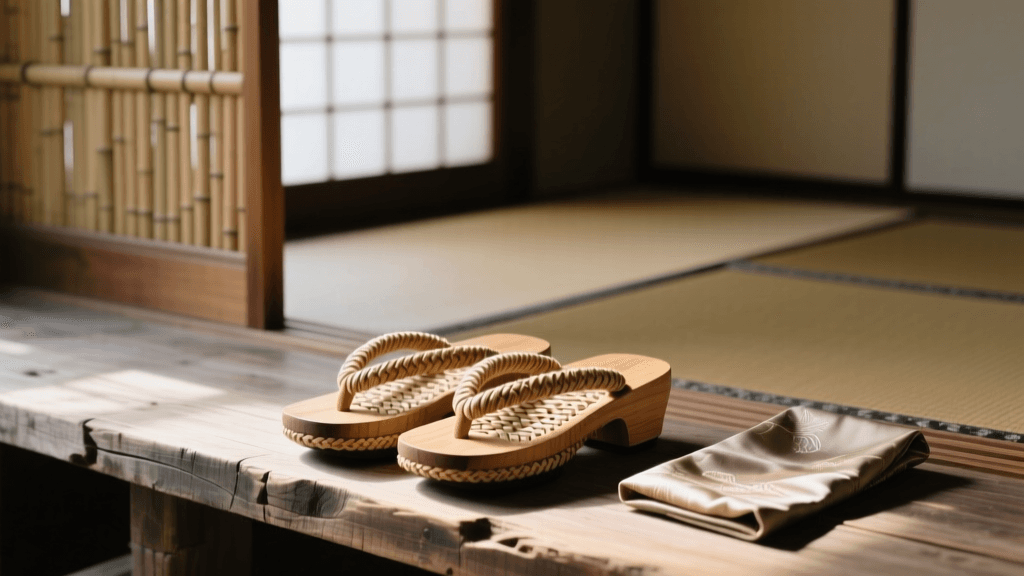
The Resurgence of Traditional Japanese Footwear
The rhythmic clack of wooden soles against stone pathways remains one of the most evocative sensory experiences in Japan. In 2026, traditional Japanese footwear—specifically geta (wooden clogs) and zori (flat sandals)—is experiencing a profound renaissance. Far from being relegated to museum displays or seasonal festival rentals, these artisanal garments are being reclaimed by a new generation of wearers who value sustainable craftsmanship, ergonomic design, and deep cultural heritage. According to the Agency for Cultural Affairs, recent government initiatives to preserve intangible cultural properties have heavily subsidized traditional woodworking and textile braiding workshops this year, ensuring that the masters of Japanese footwear can pass their techniques to a new generation of apprentices.
This comprehensive guide explores the intricate craft of geta and zori, offering actionable advice on sizing, walking mechanics, and commissioning your own pair in the modern era. Whether you are a collector of Asian traditions or a traveler preparing for a summer in Kyoto, understanding the nuances of these garments is essential for appreciating their enduring legacy.
Geta vs. Zori: Understanding the Anatomy
While often grouped together by international observers, geta and zori serve distinctly different purposes and are constructed using entirely different methodologies. Understanding these differences is the first step toward building an authentic traditional wardrobe.
The Architecture of Geta
Geta are elevated wooden clogs characterized by their dai (the wooden base) and ha (the protruding teeth or stilts on the bottom). The elevation was originally designed to keep the hem of expensive silk kimonos above the mud, rain, and snow of unpaved Edo-period streets. Today, the standard two-tooth geta remains the most iconic silhouette, though single-tooth tengu-geta and flat, toothless senryo-geta are also popular among avant-garde fashion enthusiasts in Tokyo's Harajuku district.
The Elegance of Zori
Zori, on the other hand, are flat, thonged sandals with no elevating teeth. Historically woven from rice straw, modern artisanal zori in 2026 are frequently crafted from tightly woven rush grass (igusa), bamboo sheath, or even upcycled kimono silk stretched over a dense cork or EVA-foam core for all-day comfort. Zori are considered more formal than geta and are the mandatory footwear choice for ceremonial occasions, tea ceremonies, and formal kimono ensembles.
The 2026 Artisanal Revival: Materials and Sustainability
The year 2026 has marked a significant pivot toward sustainable material sourcing in Japanese footwear craft. The most prized wood for geta remains kiri (paulownia). Kiri is remarkably lightweight, naturally moisture-resistant, and possesses a beautiful, pale grain that darkens elegantly with age. However, due to over-harvesting concerns in previous decades, heritage workshops in Kyoto and Niigata have shifted toward sustainably managed domestic plantations and reclaimed architectural timber.
Another highly sought-after material is hinoki (Japanese cypress). Hinoki geta are heavier than kiri but offer a deeply therapeutic, forest-like aroma that persists for years. Master carpenters carve the dai from a single block of wood to ensure structural integrity, utilizing traditional hand planes (kanna) to achieve a glass-smooth finish that conforms to the arch of the foot.
The Art of the Hanao: Braiding the Thong
The hanao is the Y-shaped thong that secures the foot to the sole. Far from being a simple strap, the hanao is a masterpiece of textile engineering. In 2026, bespoke footwear shops offer hanao braided from vintage silk, hand-dyed cotton, and even vegan leather alternatives. The internal core of the hanao is traditionally made from twisted hemp or cotton cord, providing tensile strength, while the outer wrapping ensures a soft, blister-free grip between the toes.
A crucial feature of authentic hanao is the adjustable knot hidden beneath the sole. This allows the wearer to tighten or loosen the thong as the fabric naturally stretches over time, a vital maintenance step that mass-produced, glued-on tourist replicas completely lack.
Sizing and Fit Guide: The Golden Rule of Overhang
The most common mistake international buyers make when purchasing Japanese footwear is applying Western shoe-sizing logic. Western shoes are designed to enclose the foot, requiring a half-inch of space in front of the toes. Japanese geta and zori operate on an entirely different ergonomic principle.
The Golden Rule: Your heel should overhang the back edge of the wooden base by 1 to 2 centimeters.
This overhang is not a flaw; it is a functional necessity. When walking in geta, your center of gravity shifts, and the overhang prevents the back of your heel from striking the wooden edge, which would cause blisters and destabilize your stride. Furthermore, the hanao should be positioned so that your big toe and second toe grip the thong naturally without your toes extending over the front edge of the sole.
| Feature | Artisan Geta (Kiri Wood) | Formal Zori (Tatami/Silk) | Casual Zori (Igusa/Rush) |
|---|---|---|---|
| Primary Material | Sustainably harvested Paulownia | Cork core, Silk/Vinyl cover | Woven Rush Grass |
| Best Occasion | Summer festivals, Yukata, Casual | Weddings, Tea Ceremony, Formal | Daily wear, Ryokan, Jinbei |
| Acoustic Profile | Sharp, rhythmic clack | Silent, soft footfall | Muted, natural rustle |
| 2026 Avg. Price | ¥18,000 - ¥45,000 | ¥25,000 - ¥80,000 | ¥4,500 - ¥12,000 |
| Maintenance Level | High (Wood care, teeth replacement) | Medium (Fabric protection) | Low (Dry brushing) |
How to Walk Gracefully in Geta
Walking in geta requires a complete recalibration of your stride. If you walk in geta the same way you walk in sneakers—striking the ground with your heel first—you will experience discomfort and the clogs will slip off your feet. As noted by cultural historians at the Japan Guide, mastering the traditional gait is essential for both comfort and aesthetic grace.
- Posture: Keep your spine straight and your center of gravity slightly forward. Do not lean back.
- The Lift: Pick up the geta using the muscles in your toes and the top of your foot, gripping the hanao firmly.
- The Strike: Land flat-footed or slightly on the balls of your feet. The two teeth should strike the ground almost simultaneously, creating the signature 'clack-clack' sound.
- The Glide: Take shorter, more deliberate steps. Imagine you are sliding across the floor rather than marching.
'The sound of geta is not just noise; it is the heartbeat of the street, a rhythmic reminder of our connection to the earth and the generations of craftspeople who carved the wood.'
— Master Woodworker, Kyoto, 2026
Care, Maintenance, and Resoling
Authentic geta and zori are not disposable fashion items; they are durable garments designed to be maintained and repaired for decades. Proper care in 2026 involves a mix of traditional methods and modern protective applications.
- Wood Conditioning: For unfinished kiri or hinoki geta, use a dry, soft-bristled brush to remove dirt. Never soak wooden geta in water. Once a year, apply a thin layer of natural tung oil or specialized wood wax to prevent the grain from drying out and cracking.
- Teeth Replacement (Ha-ire): The wooden teeth of geta will eventually wear down from friction against modern asphalt and concrete. Heritage shops offer a resoling service where the worn teeth are carefully chiseled out and new wooden inserts are glued and pegged into place.
- Ura (Bottom Covers): To protect the wood and reduce noise in quiet urban environments, many artisans now apply a thin layer of vulcanized rubber or leather to the bottom of the teeth. If this rubber wears thin, it can be easily peeled and replaced by a cobbler.
- Hanao Tightening: As mentioned, use pliers to pull the internal cord from beneath the sole and re-tie the knot when the thong becomes loose around your foot.
Where to Commission Authentic Pairs in 2026
While mass-produced imports flood the souvenir markets, true enthusiasts seek out heritage workshops. In Kyoto, the streets surrounding the Yasaka Shrine still host multi-generational footwear shops where you can select your wood block, choose your hanao fabric from a library of vintage textiles, and have the sandals assembled while you wait. For those unable to travel, several prestigious Kyoto-based ateliers have launched international bespoke services in 2026, utilizing 3D foot-scanning apps to carve the dai to the exact millimeter of your arch profile, seamlessly blending Edo-period woodworking with modern biomechanics.
Investing in authentic geta and zori is an investment in the preservation of Asian traditions. By supporting these artisans, you ensure that the rhythmic clack of wooden soles continues to echo through the streets of Japan for generations to come.