2026 Kimono Kitsuke Guide: Modern Haori Styling Rules
The Renaissance of Kitsuke in 2026
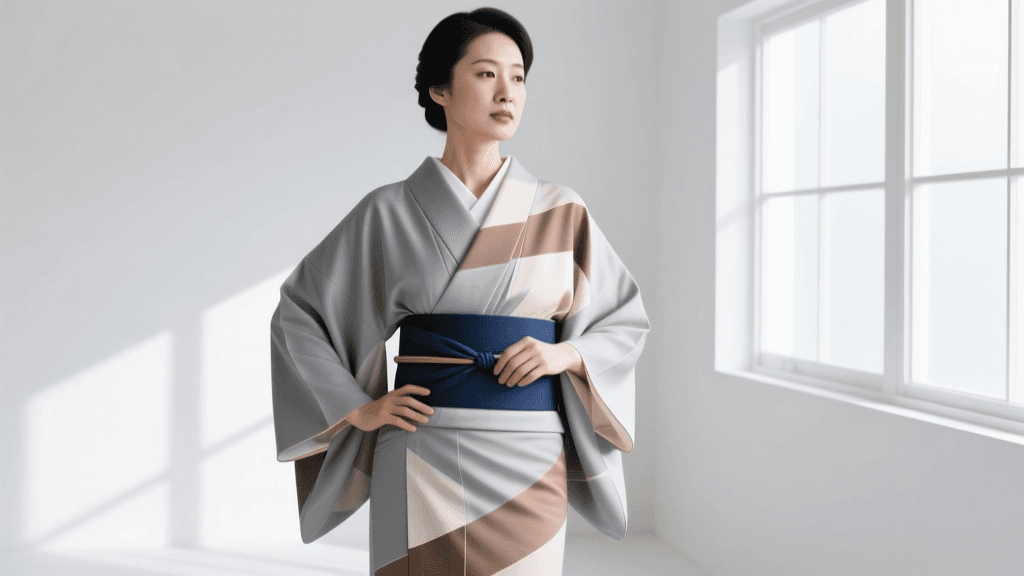
The art of kimono dressing, known as kitsuke, has experienced a profound renaissance as we navigate the fashion landscape of 2026. Once viewed primarily as a rigid, ceremonial practice reserved for weddings, tea ceremonies, and coming-of-age celebrations, kitsuke has evolved into a dynamic form of personal expression. Today, a new generation of wearers is blending Edo-period heritage with contemporary global streetwear, creating a hybrid aesthetic that honors Japanese traditions while embracing modern utility. According to the Victoria and Albert Museum, the kimono has always been a highly adaptable garment, reflecting the social and economic shifts of its time. In 2026, this adaptability is more evident than ever, with sustainable practices and innovative textile technologies driving the modern kitsuke movement.
At the heart of this contemporary revival is the haori, the traditional Japanese hip- or thigh-length jacket worn over the kimono. Originally designed as a protective battlefield garment for samurai, the haori transitioned into everyday merchant wear during the Edo period and has now become the ultimate layering piece for the 2026 wardrobe. Whether draped over a formal silk kimono or paired with modern denim and techwear, the haori offers a versatile silhouette that bridges the gap between historical reverence and avant-garde fashion.
Anatomy of the Modern Haori Ensemble
To master modern kitsuke, one must first understand the foundational components of the ensemble and how they have been updated for 2026 lifestyles. The traditional layering system is designed to regulate temperature, protect the outer silk, and create a visually harmonious color palette.
- Nagajuban (Undergarment): In 2026, the traditional silk nagajuban has been largely supplemented by breathable, moisture-wicking bamboo and cupro blends. These modern undergarments protect the outer kimono from sweat and skin oils while offering machine-washable convenience.
- Kimono (Main Garment): While vintage silks remain highly prized, the 2026 market has seen a surge in upcycled textiles and washable silk-polyester blends. These fabrics mimic the drape and luster of pure silk but cater to the demands of urban commuting and unpredictable weather.
- Obi (Sash): The obi remains the structural anchor of the kitsuke. Modern stylists are favoring the fukuro obi for formal events, but opting for sleek, minimalist hanhaba obi (half-width sashes) for daily wear, often tying them in architectural, asymmetrical knots.
- Haori (Jacket): The defining layer. Contemporary haori designs in 2026 frequently feature subtle, tonal jacquard weaves or bold, abstract geometric linings that flash when the wearer moves.
- Haori Himo (Jacket Cords): Used to tie the haori at the front. Modern iterations include braided silk, metallic threads, and even detachable magnetic clasps hidden within traditional-looking tassels for quick removal.
Comparative Guide: Traditional vs. 2026 Contemporary Kitsuke
The rules of kitsuke have relaxed significantly, allowing for greater individual creativity. Below is a comparison of traditional strictures versus the accepted norms of 2026 modern styling.
| Element | Traditional Kitsuke Rules | 2026 Modern Styling Norms |
|---|---|---|
| Layering | Strict multiple layers (juban, kimono, haori) required regardless of season. | Adaptive layering; haori worn directly over modern clothing or single-layer yukata in summer. |
| Footwear | White tabi socks with formal zori sandals mandatory. | Colored or patterned tabi; split-toe sneakers and modern leather boots accepted in streetwear. |
| Obi Knots | Specific knots (Otaiko, Bunko) dictated by age, marital status, and formality. | Experimental, asymmetrical knots; use of obijime (cords) as decorative belts over Western garments. |
| Haori Length | Standardized mid-thigh length for women, hip-length for men. | Cropped, oversized, and floor-length duster haori styles widely embraced. |
| Textiles | Pure silk, wool, or hemp; strict seasonal motif rules. | Washable silks, recycled synthetics; micro-seasonal motifs blended with abstract modern art. |
Step-by-Step Haori and Obi Styling for Contemporary Wardrobes
Achieving the perfect silhouette requires an understanding of proportion and tension. Here is a practical guide to styling your haori and obi for a polished 2026 look.
1. Securing the Base and Obi
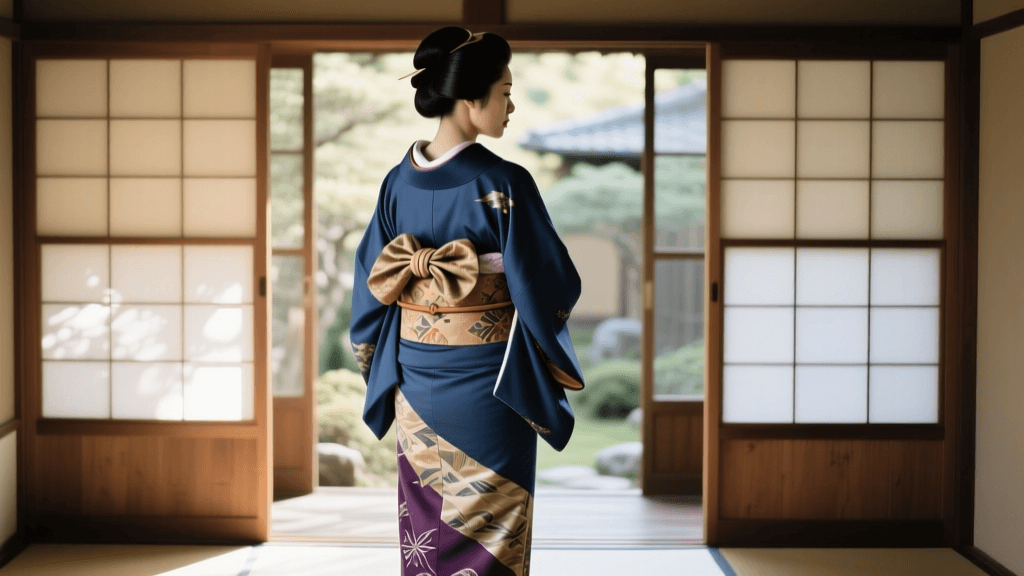
Begin by wrapping your kimono or modern base garment, ensuring the left panel overlaps the right—a non-negotiable rule in Japanese dressing, as the reverse is reserved strictly for the deceased. Once the base is secured with a koshihimo (tying sash), position your obi. For a modern, streamlined look, the karuta musubi (a flat, boxy knot) is highly recommended in 2026. It sits flush against the lower back, preventing the haori from bulging awkwardly when you sit or walk.
2. Draping the Haori
Slip your arms into the haori sleeves. The haori should be worn open at the front to showcase the obi and the inner collar (eri). Ensure the back seam (senui) runs perfectly straight down the center of your spine. In 2026, a slightly relaxed drop-shoulder fit is preferred over the rigid, tailored shoulder lines of the mid-20th century.
3. Tying the Haori Himo
Attach the haori himo to the small inner loops (chi) located on the lapels. Cross the cords and tie them in a secure, flat knot. If you are using a traditional braided silk himo, a simple reef knot with the tassels hanging evenly on both sides provides an elegant finish. For a contemporary twist, many stylists in Harajuku and Daikanyama are using oversized, hand-woven macrame himo that act as a bold chest accessory.
Sourcing Authentic and Sustainable Garments in 2026
The market for Japanese garments has shifted heavily toward sustainability and circular fashion. According to the Kyoto Costume Institute, the preservation and reuse of historical textiles are vital for maintaining the cultural legacy of Japanese dress. In 2026, sourcing a high-quality haori or kimono involves navigating both physical vintage markets and specialized digital archives.
For authentic vintage silks, the Ameyoko market in Tokyo and the antique alleys of Kyoto's Higashiyama district remain premier destinations. As of early 2026, a premium vintage Oshima Tsumugi silk haori—renowned for its intricate mud-dyeing process and lightweight durability—typically ranges from 35,000 to 85,000 JPY, depending on the condition and the complexity of the woven kasuri patterns.
For those seeking new, sustainably produced garments, brands participating in the Tokyo Sustainable Textile Initiative are offering haori crafted from upcycled obi fabrics and organic hemp. These modern pieces often feature hidden interior pockets and reinforced stress points, catering to the practical needs of the modern wearer while maintaining the aesthetic integrity of traditional tailoring.
Footwear Pairings: Tabi and Zori in the Modern Era
No kitsuke ensemble is complete without proper footwear. The traditional split-toe tabi sock and zori sandal combination has been radically reimagined for 2026. While pure white cotton tabi remain the standard for highly formal events, everyday kitsuke now embraces tabi in charcoal, navy, and subtle geometric prints.
Footwear designers have also introduced smart-fabric tabi featuring temperature-regulating threads and moisture-wicking arch support. When pairing footwear with a haori, the general rule of balance applies: a heavy, dark winter wool haori should be grounded with thick-soled, matte-finish zori or modern split-toe leather boots, whereas a lightweight, sheer summer ro-silk haori pairs best with delicate, woven rattan zori and thin, breathable tabi.
Garment Care and Preservation Techniques
Proper maintenance is crucial for extending the life of your garments. The Metropolitan Museum of Art emphasizes that silk is a protein fiber highly susceptible to light damage, moisture, and pests. In 2026, while washable silks exist, vintage and pure silk haori still require meticulous care.
- Airing Out: After wearing, hang your haori on a wide, padded hanger in a shaded, well-ventilated room for at least 24 hours to allow moisture and odors to dissipate.
- Storage: Store folded garments in a traditional paulownia wood tansu chest, which naturally regulates humidity and repels insects. If using modern storage bins, ensure they are acid-free and include natural camphor or hinoki wood blocks to deter pests.
- Spot Cleaning: Never rub a stain on silk. Instead, use a specialized dry-cleaning solvent or consult a professional arai-hari (traditional washing and stretching) service, which has seen a massive resurgence in 2026 as wearers seek to restore vintage finds to pristine condition.
Conclusion
The 2026 approach to kimono kitsuke and haori styling is a testament to the enduring versatility of Asian traditional garments. By understanding the historical foundations of these pieces and thoughtfully integrating them with modern textiles, sustainable sourcing, and contemporary styling rules, wearers can create deeply personal ensembles. The haori, in particular, stands out as a bridge between worlds—a garment that whispers of Edo-period artisans while speaking fluently to the global, eco-conscious fashion citizen of today.