Sourcing Kyo-Yuzen Kimonos via Japanese Proxy Sites: 2026 Guide

The Global Revival of Kyo-Yuzen: Shopping from Abroad in 2026
The global appreciation for Japanese traditional garments has surged over the last decade, and in 2026, acquiring an authentic Kyo-Yuzen kimono is more accessible than ever for international collectors and enthusiasts. Kyo-Yuzen, the prestigious Kyoto-based paste-resist dyeing technique, produces some of the most breathtaking, painterly silk garments in the world. However, because the vast majority of specialized dealers, vintage auctions, and artisan ateliers operate exclusively within Japan's domestic market, international buyers must rely on proxy shopping services.
This comprehensive guide will walk you through the exact process of sourcing, verifying, and importing authentic Kyo-Yuzen kimonos using Japanese proxy marketplaces in 2026, ensuring you avoid mass-produced imitations and secure genuine textile art.
Understanding Kyo-Yuzen in the Modern Market
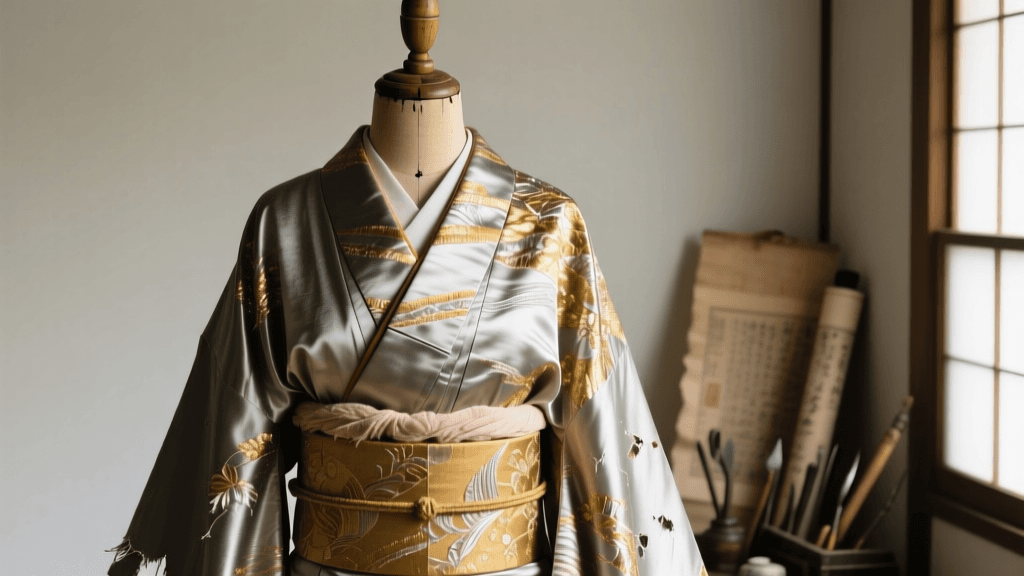
Before placing a bid, it is crucial to understand what you are buying. As detailed by The Metropolitan Museum of Art's historical archives on Japanese dress, Yuzen dyeing revolutionized kimono design by allowing artisans to paint directly onto silk using a rice-paste resist, preventing colors from bleeding. Kyo-Yuzen specifically is known for its subdued, elegant color palettes, intricate nature motifs, and lavish use of gold and silver leaf.
In 2026, the market is heavily driven by sustainability and vintage revival. Collectors are increasingly seeking Showa-era (1926–1989) vintage Kyo-Yuzen pieces, which offer exceptional hand-crafted quality at a fraction of the cost of newly commissioned bespoke garments. However, the rise of digital printing means buyers must be vigilant to ensure they are purchasing hand-dyed silk rather than polyester prints mimicking the Yuzen style.
Top Japanese Marketplaces for Kimono Sourcing
To find authentic Kyo-Yuzen, you must look where the locals buy and sell. Here are the primary platforms accessible via proxy services:
1. Yahoo! Auctions Japan (Yahuoku)
This is the goldmine for vintage and pre-owned kimonos. Professional recyclers and estate liquidators list thousands of silk garments daily. You can find uncut vintage bolts (tanmono) and fully tailored Kyo-Yuzen kimonos here. The bidding environment requires quick decision-making, and proxy sites offer automated bidding tools to secure items in the final seconds of an auction.
2. Mercari Japan
Mercari is a fixed-price flea market app. It is excellent for finding bargains from individual sellers who may not know the exact historical value of their family's Kyo-Yuzen pieces. In 2026, Mercari's integration with proxy APIs allows for near-instant purchasing before highly sought-after silk garments are snapped up by domestic buyers.
3. Rakuten and Specialized Kyoto Ateliers
For brand-new, contemporary Kyo-Yuzen or certified traditional craft pieces, Rakuten hosts official storefronts for Kyoto-based artisans. While significantly more expensive (often starting at $2,000 USD and reaching well over $10,000 USD for formal homongi), these platforms guarantee authenticity and provide pristine, unworn condition.
2026 Proxy Service Comparison
Proxy services act as your domestic Japanese address, receiving your purchases and forwarding them internationally. Below is a comparison of the top services utilized by kimono collectors in 2026.
| Proxy Service | Best Feature for Kimono Buyers | Consolidation Fee | AI Translation Accuracy |
|---|---|---|---|
| Neokyo | Specialized Mercari/Yahoo integration; excellent fragile item packaging. | Free for up to 5 items | High (Context-aware for textile terms) |
| Buyee | Official partner with Yahoo Auctions; real-time bid tracking. | ¥500 per package | Medium (Literal translation) |
| ZenMarket | Lowest flat-rate commission fee; great for high-volume vintage hauls. | ¥500 per package | High (Community-corrected) |
Mastering Kimono Measurements and Sizing
Unlike Western clothing, kimonos are sold based on flat fabric measurements. Because a kimono is wrapped and folded, there is a surprising amount of flexibility in sizing, but you must know your baseline measurements. When reading a 2026 Yahoo Auction listing, look for these critical dimensions:
- Mitake (身丈): The total back length from the base of the neck to the hem. For a modern, ankle-length wear, this should ideally match your height minus 10-15 cm. Vintage pieces often have shorter mitake due to historical average heights.
- Yuki (裄): The sleeve span, measured from the center back of the neck, across the shoulder, and down to the wrist. This is the most critical measurement. If the yuki is too short, the garment will look ill-fitting. Most vintage Kyo-Yuzen pieces have a yuki between 62cm and 66cm.
- Sode (袖): The sleeve depth. Formal Kyo-Yuzen homongi or furisode will have deeper sleeves, while casual komon will have standard depths around 49cm.
- Kuri-koshi (繰越): The drop of the back neckline. A standard Kyo-Yuzen will have a slight drop (around 2-3 cm) to elegantly expose the nape of the neck, a hallmark of proper kitsuke (kimono dressing).
Decoding Condition Reports: Avoiding Flaws
Vintage silk requires careful scrutiny. Japanese sellers are notoriously meticulous about noting flaws. Utilize your proxy service's AI translation or a dedicated browser extension to scan for these specific Japanese terms in the listing description:
- Shimi (シミ): Age spots, water stains, or discoloration. Small shimi near the hem are common in vintage pieces and often hidden when worn. Avoid shimi on the chest or back panels.
- Yake (ヤケ): Sun fading or discoloration from improper storage. This often appears as a faint line where the garment was folded or hung in direct sunlight.
- Kise (キセ): The folded seam lines. If the kise is worn flat or fraying, the garment has been heavily used and may require professional re-tailoring (shitate-naoshi).
- Nioi (匂い): Odor. Vintage kimonos may carry the scent of camphor (mothballs) or old cedar chests. While camphor smells can be aired out over a few weeks, avoid items listed with kabi (mold/mildew), as mold spores can permanently damage silk and spread to your other garments.
Shipping, Logistics, and Customs in 2026
Once your Kyo-Yuzen kimono arrives at the proxy warehouse, you must select an international shipping method. According to the latest guidelines from Japan Post EMS, international shipping rates and surcharges have stabilized in 2026, but dimensional weight rules strictly apply to bulky winter garments.
For high-value, authentic silk Kyo-Yuzen, always opt for EMS (Express Mail Service) or DHL Express. These services provide comprehensive tracking, climate-controlled transit environments, and require a signature upon delivery. Avoid standard surface mail or untracked economy packets, as silk is highly susceptible to humidity and prolonged transit times can lead to mold development if the package is left in a damp cargo hold.
Customs and Import Duties: Be aware of your country's 2026 de minimis threshold for textile imports. In the US, garments under $800 USD generally clear customs without import duties. In the EU and UK, expect to pay VAT and handling fees upon arrival. Your proxy service will automatically generate the digital customs declaration, but you should ensure they accurately mark the item as 'Vintage Clothing' or 'Silk Garment' to avoid misclassification.
Final Tips for the 2026 Buyer
The thrill of hunting for a masterpiece on Yahoo Auctions is unmatched. To maximize your success, save your searches on your proxy dashboard and set up push notifications for keywords like 'Kyo-Yuzen', 'Hand-painted', 'Yuzen-dye', and 'Kyoto Craft'. Always cross-reference the seller's feedback rating, and never hesitate to use the proxy's 'Ask Seller a Question' feature to request close-up photos of the fabric weave or the artisan's signature seal (hanko) hidden near the hem. With patience and a strategic approach, you can build a museum-quality collection of Kyo-Yuzen kimonos from the comfort of your home.