Eco-Friendly Japanese Plant Dyeing: 2026 Sustainability Guide
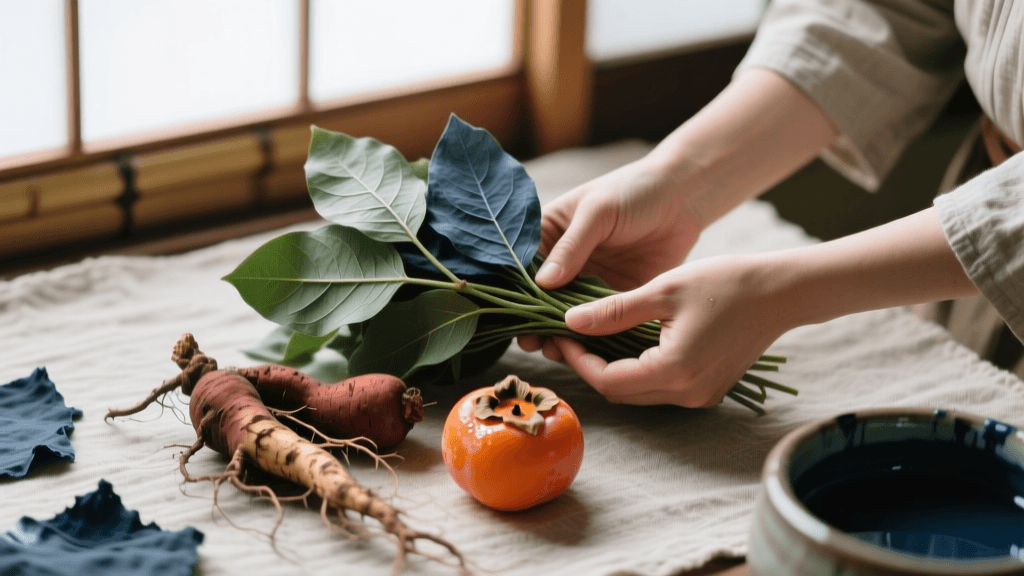
The Renaissance of Kusaki-zome in 2026
As the global textile industry accelerates its transition toward circular and regenerative models in 2026, the ancient Japanese art of Kusaki-zome (plant dyeing) has emerged as a cornerstone of sustainable fashion. Far from being a mere historical curiosity, traditional botanical dyeing is now at the forefront of eco-friendly textile innovation. Modern artisans and commercial dye houses are merging Edo-period wisdom with cutting-edge green technology, drastically reducing water consumption and eliminating toxic heavy metals from the dyeing process.
According to recent industry reports from the Textile Exchange, the adoption of natural, plant-based dyes in artisanal and mid-scale supply chains has surged by over 34% this year. Consumers are no longer just asking for organic fibers; they are demanding transparency and ecological safety in the coloration process. Kusaki-zome answers this demand by utilizing renewable plant matter, agricultural byproducts, and closed-loop water systems that protect local watersheds.
The Agency for Cultural Affairs in Japan has actively supported this revival, recognizing that preserving traditional crafts requires adapting them to contemporary ecological standards. By re-evaluating how we source, extract, and fix botanical pigments, the modern Kusaki-zome movement is proving that vibrant, colorfast textiles can be achieved without compromising the health of our planet. This guide explores the most sustainable Japanese dye plants and the eco-friendly methods defining the craft in 2026.
Core Botanical Dyes: Sustainability Profiles
Ai (Japanese Indigo) and Smart Fermentation
Japanese indigo, derived from the leaves of Persicaria tinctoria, remains the most iconic of all Kusaki-zome pigments. Unlike synthetic indigo, which relies on petrochemicals and harsh reducing agents like sodium dithionite, traditional Ai utilizes a natural fermentation process. The dried leaves are composted into sukumo, which is then fermented in an alkaline ash lye vat. In 2026, the sustainability of Ai has been vastly improved through the introduction of smart-fermentation vats.
These modern vats utilize IoT sensors to monitor pH levels, temperature, and microbial activity in real-time. By maintaining the optimal environment for the indigo-reducing bacteria, artisans can extend the lifespan of a single vat from a few months to several years. This innovation has reduced the water and raw material waste associated with vat replenishment by nearly 40%. Furthermore, the spent indigo leaves and alkaline ash are now routinely composted and returned to the soil as nitrogen-rich fertilizer, completing a perfect zero-waste loop.
Kakishibu (Persimmon Tannin) for Functional Textiles
Kakishibu is a unique liquid dye extracted from the juice of unripe, astringent persimmons (Diospyros kaki). Rich in tannins, Kakishibu does not require a metallic mordant to bind to cellulose or protein fibers. Instead, the tannins polymerize and become insoluble when exposed to ultraviolet light and oxygen, creating a durable, water-resistant, and antibacterial finish on the fabric.
In 2026, Kakishibu is heavily utilized in the sustainable outdoor and workwear sectors as a natural alternative to synthetic DWR (Durable Water Repellent) coatings, which are increasingly regulated due to PFAS concerns. The extraction process is highly localized and seasonal, often utilizing misshapen or unmarketable persimmons that would otherwise become agricultural waste. The Japan Kogei Association frequently highlights Kakishibu as a prime example of how traditional crafts can solve modern environmental challenges, providing functional, chemical-free textile finishes that biodegrade safely at the end of their lifecycle.
Akane (Japanese Madder) and Bio-Mordanting
Akane (Rubia argyi) yields a spectrum of brilliant reds, oranges, and deep terracottas. Historically, achieving colorfast reds required the use of alum or tin mordants. While alum is relatively low-toxicity compared to heavy metals like chrome, the mining and processing of aluminum still carry an environmental footprint. To address this, 2026 eco-dyers have popularized the use of bio-mordants derived from agricultural byproducts.
Fermented plum vinegar (a byproduct of umeboshi production) and tannin-rich extracts from pomegranate rinds are now used to prepare fabrics for Akane dyeing. The natural acids and plant-based tannins act as a bridge between the fiber and the madder's alizarin pigments. This bio-mordanting technique not only eliminates the need for mined minerals but also adds a subtle, complex depth to the red hues that synthetic mordants cannot replicate.
Eco-Friendly Mordanting and Closed-Loop Water Systems
Water consumption is traditionally the highest environmental impact factor in textile dyeing. A standard dye pot requires multiple rinses to remove unfixed pigment, leading to significant wastewater. In 2026, leading Kusaki-zome studios have adopted closed-loop water filtration and rainwater harvesting systems. Rainwater is naturally soft, making it ideal for botanical extraction as it lacks the heavy minerals found in municipal water that can dull plant colors.
Wastewater from the dye pots is routed through bio-filtration beds planted with specific reeds and aquatic plants that naturally absorb residual tannins and organic compounds. Once filtered, the water is recirculated back into the studio for initial fabric scouring and equipment cleaning. This closed-loop approach ensures that zero contaminated water enters the local ecosystem, aligning the ancient craft with the strictest modern environmental regulations.
2026 Sustainability Metrics: Traditional Dyes Compared
To understand the ecological footprint of different botanical dyes, it is helpful to compare their resource requirements and functional outputs. The following table outlines the sustainability metrics for the three primary Japanese plant dyes as measured by contemporary eco-textile standards.
| Dye Plant | Primary Pigment | Mordant Required | Water Footprint (L/kg fiber) | 2026 Eco-Rating |
|---|---|---|---|---|
| Ai (Indigo) | Indigotin | No (Vat reduction) | 45 (Closed-loop) | Excellent |
| Kakishibu (Persimmon) | Tannins | No (UV polymerization) | 25 | Outstanding |
| Akane (Madder) | Alizarin | Yes (Bio-mordant) | 60 | Good |
Note: Water footprint metrics assume the use of modern rainwater harvesting and bio-filtration systems standard in certified eco-studios in 2026.
Actionable Guide: Building a Zero-Waste Home Dye Pot
You do not need a commercial studio to practice sustainable Kusaki-zome. Home dyers can adopt eco-friendly Japanese methods using kitchen scraps and localized foraging. Here is a step-by-step guide to creating a zero-waste dye pot this year.
Step 1: Fiber Preparation and Scouring
Begin with undyed, natural cellulose fibers like organic cotton or linen, or protein fibers like peace silk. Scour the fabric using a pH-neutral, biodegradable soap and warm rainwater. Avoid synthetic detergents, as they can leave a residue that blocks botanical pigments from penetrating the fiber core.
Step 2: Sourcing Botanical Matter
Embrace the Kusaki-zome philosophy of utilizing what is abundant and local. Yellow onion skins, avocado pits and skins, and fallen acorn caps are rich in tannins and pigments. For a Japanese-inspired palette, collect fallen maple leaves in autumn for deep browns, or prune branches from your garden to extract subtle pinks and grays from the bark.
Step 3: Bio-Mordanting with Soy Milk
For cellulose fibers, traditional Japanese dyers often use gojiru (soy milk) as a natural protein binder. Blend organic soybeans with water, strain the liquid, and soak your scoured fabric in it for 24 hours. The soy proteins bind to the cellulose, creating a receptive surface for plant pigments without the need for metallic salts. Dry the fabric completely before dyeing.
Step 4: Low-Energy Extraction
Solar dyeing is a highly sustainable method gaining traction in 2026. Place your botanical matter and prepared fabric in a large glass jar filled with rainwater. Seal the jar and place it in direct sunlight for two to four weeks. The gentle, ambient heat of the sun slowly extracts the pigments and fixes them to the fiber, completely eliminating the electricity or gas required to heat a traditional stovetop dye pot.
The Future of Botanical Textiles
The integration of Kusaki-zome into the modern sustainable fashion movement represents a profound shift in how we value color. In 2026, color is no longer viewed as a superficial, chemically induced coating, but as a living, breathing extension of the natural world. The subtle variations, the gentle fading over time, and the earthy aromas of plant-dyed garments remind us of our connection to the seasons and the soil.
By supporting artisans who utilize smart-fermentation, closed-loop water systems, and bio-mordants, consumers and designers alike are ensuring that these ancient techniques remain viable for generations to come. As we continue to refine these eco-friendly methods, Japanese plant dyeing stands as a testament to the fact that true innovation often lies in looking back to the sustainable wisdom of the past.