Hanfu Travel Wardrobe 2026: Packing Essentials & Destination Guides
The Rise of the Global Hanfu Traveler in 2026
The global Hanfu movement has evolved dramatically over the last decade. In 2026, traditional Chinese dress is no longer confined to domestic photoshoots, local festivals, or university campuses; it has become a vibrant staple of international cultural tourism. According to recent sustainable tourism reports from UNESCO World Heritage, cultural immersion and heritage-based travel are at an all-time high, with travelers increasingly seeking ways to wear their cultural identity while exploring global landmarks. Whether you are strolling through the historic streets of Kyoto, attending a fashion week in Paris, or exploring the tropical temples of Bali, curating a destination-specific Hanfu wardrobe requires a blend of historical appreciation and modern travel pragmatism.
Packing Hanfu for international travel presents unique challenges. Traditional garments often feature voluminous sleeves, intricate pleating, and delicate fabrics that are notoriously prone to wrinkling. However, the 2026 market has introduced a wave of travel-ready textiles, smart packing techniques, and innovative accessories that make taking your Hanfu across the globe easier than ever. This comprehensive guide will walk you through selecting the right fabrics, curating destination-specific outfits, and mastering the art of wrinkle-free packing.
Selecting Travel-Ready Hanfu: The 2026 Fabric Guide
When building a travel wardrobe, the historical accuracy of your fabric must be weighed against its practical performance in a suitcase. While pure mulberry silk is breathtaking, it is a high-maintenance choice for a multi-city trip. In 2026, leading Hanfu manufacturers have heavily invested in eco-friendly, wrinkle-resistant textiles that mimic the drape and luster of historical fabrics while surviving long-haul flights.
| Fabric Type | Wrinkle Resistance | Best Climate | Recommended Travel Style |
|---|---|---|---|
| Tencel / Lyocell Blends | High | Warm / Humid | Song Dynasty Beizi, lightweight Ruqun |
| Textured Crepe (Polyester) | Very High | All Seasons | Ming Dynasty Mamianqun (Horse-face skirt) |
| Cotton-Linen Blends | Medium | Spring / Autumn | Tang Dynasty Yuanlingpao (Round-collar robe) |
| Pure Mulberry Silk | Low | Indoor / Mild | Luxury evening banquets, formal ceremonies |
| Ramie / Hemp Gauze | Medium-High | Tropical / Hot | Wei-Jin wide-sleeve Shan (upper garment) |
Textured crepe and Tencel blends are the undisputed champions of the 2026 Hanfu travel wardrobe. Tencel, derived from sustainable wood pulp, offers a cooling touch and excellent moisture-wicking properties, making it ideal for humid destinations. Meanwhile, heavily textured crepes can hide the inevitable creases that occur during transit, allowing you to step out of your hotel room looking polished without needing an immediate steam.
Destination-Specific Wardrobe Curation
A successful Hanfu travel wardrobe is not one-size-fits-all. The architecture, climate, and cultural atmosphere of your destination should dictate the silhouettes you pack.
1. Historical Immersion in Xi'an, Kyoto, and Luoyang
When visiting cities renowned for their ancient architecture, such as Kyoto's wooden temples or the historic city walls of Xi'an, structured and layered garments photograph beautifully and show deep respect for the environment. The Ming Dynasty Aoqun (a lined jacket paired with a pleated skirt) is an excellent choice. According to The Metropolitan Museum of Art's Heilbrunn Timeline of Art History, Ming garments are celebrated for their dignified silhouettes and intricate weaving techniques. For travel, opt for a textured polyester-blend Mamianqun (horse-face skirt) which holds its knife pleats exceptionally well even after sitting on a bullet train. Pair it with a cotton-blend Pipa-sleeve jacket for ease of movement while navigating crowded heritage sites.
2. European City Breaks: Paris, Rome, and London
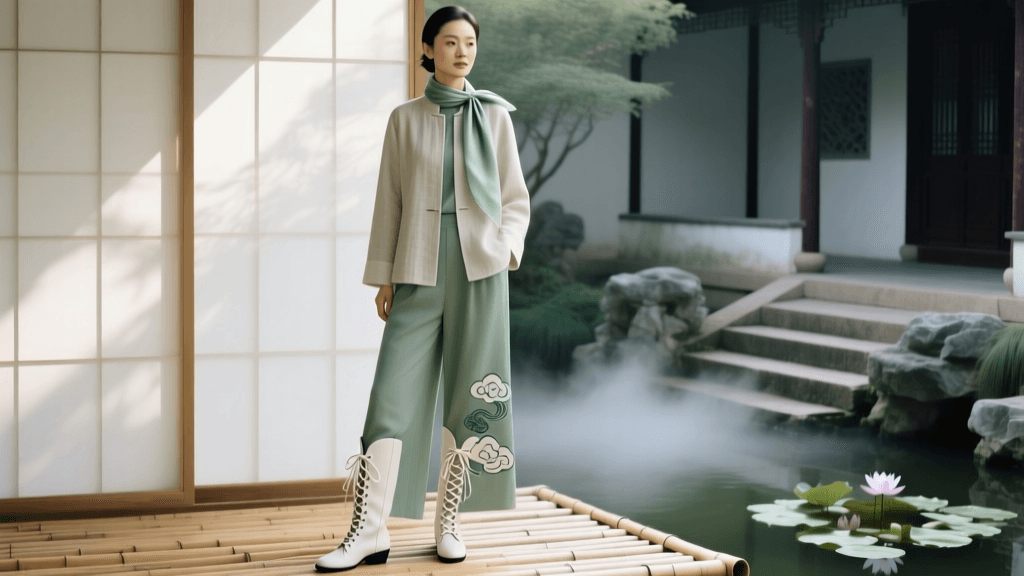
Blending traditional Hanfu into a modern European cityscape calls for the minimalist elegance of the Song Dynasty. The Beizi—a long, open-front coat with narrow sleeves—translates seamlessly into a European context. In 2026, the 'Hanfu Fusion' trend is dominating global street style. You can layer a lightweight, solid-colored Tencel Beizi over a modern silk turtleneck and tailored trousers, or wear it as a duster over a contemporary slip dress. This approach allows you to participate in the Hanfu movement while maintaining a chic, cosmopolitan profile suitable for Parisian cafes or Roman cobblestone streets.
3. Tropical Escapes: Bali, Singapore, and Okinawa
High heat and humidity require breathable, unrestrictive garments. The Victoria and Albert Museum's Asian collections highlight the historical use of bast fibers like ramie in Southern China for their exceptional breathability. A Wei-Jin style wide-sleeve Shan made from ramie-cotton gauze is perfect for tropical resort wear. It provides protection from the sun while allowing maximum airflow. Avoid heavy brocades or multiple layered undergarments, which can lead to heat exhaustion in equatorial climates.
The Art of Packing: The 2026 'Cloud-Roll' Technique
Folding Hanfu using traditional square methods often results in deep, stubborn creases across the bodice and sleeves. In 2026, the travel community has widely adopted the 'Cloud-Roll' technique, combined with modern packing cubes, to keep garments pristine.
- Prepare the Garment: Lay the Hanfu flat on a clean surface. Smooth out any existing wrinkles with your hands.
- Use Acid-Free Tissue Paper: Place a sheet of acid-free silk tissue paper over the garment. This provides a buffer that prevents hard creases from forming at the fold points.
- The Core-Wrap Fold: Fold the sleeves inward toward the center back, keeping the tissue paper tucked inside the folds. Do not fold the garment in half; instead, begin rolling from the hem upward toward the collar. The tissue paper will create a 'cloud' effect, preventing the fabric from biting into itself.
- Compression Cubes: Place the rolled garments into a silk-lined compression packing cube. Avoid vacuum-sealing, as the intense pressure will crush delicate embroidery and permanently distort pleats on a Mamianqun.
Navigating Transit and Security
One of the most overlooked aspects of traveling in Hanfu is airport security. Historical garments often utilize metal clasps, heavy bronze buttons, or intricate hairpins that can trigger TSA and international security alarms. In 2026, smart travelers prioritize 'transit-friendly' Hanfu modifications. Many contemporary brands now offer hidden magnetic closures instead of traditional metal toggles, allowing for seamless security checks and easy bathroom breaks during long flights. Furthermore, pack your metal hairpins and ornamental Buyao (step-hairpins) in your checked luggage or a clearly accessible pouch in your carry-on to expedite the screening process.
Essential Travel Accessories & Modern Conveniences
To maintain your Hanfu wardrobe on the road, a few key accessories are non-negotiable for the 2026 traveler:
- Ultra-Compact Capsule Steamers: Hotel irons are notoriously unreliable and dangerous for delicate textiles. The latest 2026 capsule steamers weigh less than 400 grams, heat up in 15 seconds, and are dual-voltage, making them perfect for safely steaming out minor wrinkles from a rolled Mamianqun in your hotel bathroom.
- Anti-Slip Silicone Waist Grips: Traditional skirts are tied with woven sashes that can loosen during a day of walking and climbing temple stairs. Modern silicone waistband grips, worn discreetly under the skirt, anchor the garment to your base layer, ensuring your silhouette remains secure and historically proportional throughout the day.
- Stain-Removal Pens for Silk: When dining on rich local cuisines—from Italian pastas to Thai curries—a portable, fabric-safe stain remover pen is a lifesaver for accidental splashes on light-colored Song Dynasty skirts.
- Weather-Resistant Skirt Hem Clips: For destinations with unpredictable rain or muddy terrain, discreet magnetic hem clips allow you to temporarily lift the front panel of your skirt by a few inches, protecting the delicate embroidery from puddles without ruining the drape.
Conclusion
Traveling with Hanfu in 2026 is a beautiful declaration of cultural pride, bridging the gap between ancient artistry and modern global exploration. By carefully selecting wrinkle-resistant fabrics, tailoring your silhouettes to your destination's climate and architecture, and utilizing smart packing techniques, you can ensure your garments remain as flawless as the memories you create. Whether you are capturing a sunrise at a Kyoto shrine or enjoying an espresso in a Milanese piazza, your Hanfu wardrobe is ready for the journey.