Sustainable Japanese Natural Dye Plants & Eco Methods 2026
The Renaissance of Kusaki-zome in 2026
As the global fashion industry faces stricter environmental regulations and a consumer demand for radical transparency in 2026, textile artisans and eco-conscious designers are turning back to Kusaki-zome, the traditional Japanese art of plant dyeing. Unlike synthetic dyes, which have historically accounted for nearly 20 percent of global water pollution, Kusaki-zome offers a closed-loop, biodegradable alternative. This comprehensive guide explores the most sustainable Japanese dye plants and zero-waste mordanting techniques dominating the eco-textile space this year, aligning perfectly with modern the return of natural indigo dye and broader circular fashion movements.
The Core Philosophy of Kusaki-zome in Modern Sustainability
At the heart of Kusaki-zome is the Japanese concept of Mottainai, which translates to a deep regret over waste. In 2026, modern dye studios are interpreting this philosophy by integrating agricultural byproducts, food waste, and invasive botanicals into their dye vats. Rather than relying on newly harvested crops solely for color, artisans are utilizing onion skins from local restaurants, fallen autumn leaves, and pruning waste from municipal gardens. This zero-waste approach not only reduces the carbon footprint associated with cultivating dedicated dye crops but also creates a hyper-local color palette that reflects the specific terroir of the studio's environment.
Furthermore, the energy consumption of traditional dyeing is being reimagined. Solar dyeing and low-temperature extraction methods have become standard practices this year, drastically reducing the reliance on gas or electric stoves. By embracing these low-impact methodologies, Kusaki-zome has transitioned from a niche heritage craft to a vital component of the sustainable textile supply chain.
Top Sustainable Japanese Dye Plants for 2026
Ai (Japanese Indigo - Persicaria tinctoria)
Japanese indigo remains the crown jewel of Kusaki-zome. Unlike synthetic indigo, which is derived from petrochemicals and requires toxic reducing agents like sodium dithionite to become water-soluble, traditional Ai relies on natural fermentation. The leaves are composted into sukumo over a 90-day period. In 2026, artisanal vats utilize a precise balance of wheat bran, sake, and hardwood ash lye to create the alkaline, oxygen-free environment necessary for the bacteria to reduce the indigotin pigment. This living vat can be maintained for months, yielding deep, rich blues that are entirely biodegradable and safe for the skin.
Kakishibu (Persimmon Tannin)
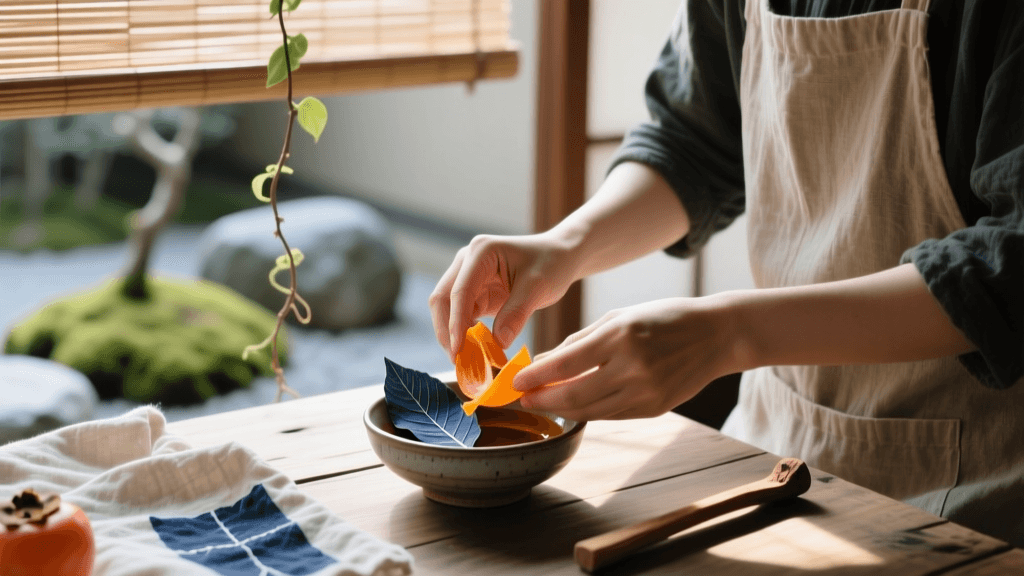
Extracted from unripe, astringent persimmons that are typically discarded as agricultural waste, Kakishibu is a powerhouse of sustainability. The juice is fermented for up to two years, developing a high concentration of tannins. When applied to textiles and exposed to ultraviolet light, the tannins polymerize, creating a durable, waterproof, and insect-repellent finish. In 2026, Kakishibu is heavily utilized in sustainable outdoor gear, canvas bags, and architectural textiles, replacing synthetic perfluorinated chemicals (PFCs) traditionally used for water resistance.
Kihada (Amur Cork Tree - Phellodendron amurense)
Valued for its brilliant, lightfast yellow hue, Kihada bark contains high levels of berberine. Sustainable harvesting protocols established in recent years ensure that only the outer cork layer is stripped without harming the living cambium, allowing the tree to regenerate. Kihada is frequently used as an under-dye for creating vibrant greens when over-dyed with Ai, or as a standalone dye for silk and paper, offering natural antimicrobial properties that extend the lifespan of the garment.
Eco-Friendly Mordanting and Fixative Methods
Historically, natural dyeing relied heavily on heavy metal mordants like chrome and tin to fix colors to fibers. Today, adhering to strict green chemistry guidelines, the 2026 Kusaki-zome community has largely abandoned toxic metals in favor of bio-mordants and circular modifiers.
- Soy Milk Binder: Cellulose fibers like cotton and linen lack the natural proteins that bind easily to plant dyes. Soaking fabrics in diluted, unflavored soy milk coats the fibers in plant protein, creating a receptive surface for pigments without the need for aluminum sulfate.
- Iron Water (Kan-etsu): Created by soaking rusty, upcycled scrap iron in water and a splash of vinegar, iron water acts as a powerful modifier. It shifts vibrant yellows to olive greens, and pinks to deep purples or greys, while simultaneously improving lightfastness.
- Wood Ash Lye (Aku): Hardwood ash soaked in water yields an alkaline liquid that serves as a natural mordant for certain tannin-rich dyes and is absolutely essential for maintaining the pH balance of a natural indigo vat.
Comparison Chart: 2026 Eco-Dye Matrix
| Dye Plant | Botanical Name | Target Color | Eco-Mordant / Modifier | Sustainability Factor |
|---|---|---|---|---|
| Ai (Indigo) | Persicaria tinctoria | Deep Blue | Natural Fermentation (Sake/Ash) | Zero synthetic reducing agents; living vat |
| Kakishibu | Diospyros kaki | Warm Brown | UV Light (Polymerization) | Upcycled agricultural waste; replaces PFCs |
| Kihada | Phellodendron amurense | Vibrant Yellow | Soy Milk (for cellulose) | Non-lethal bark harvesting; antimicrobial |
| Kurumi (Walnut) | Juglans ailantifolia | Rich Brown/Grey | Iron Water (Kan-etsu) | Utilizes fallen nut husks; no mordant needed |
| Benibana (Safflower) | Carthamus tinctorius | Pink / Red | Straw Ash Lye (Alkaline) | Extracts both yellow and red pigments sequentially |
Step-by-Step Zero-Waste Dyeing Guide
For artisans and hobbyists looking to implement these methods at home, precision and patience are paramount. Follow this zero-waste protocol for dyeing cellulose fibers (cotton or linen) with tannin-rich plants like Kakishibu or Kurumi.
Step 1: Eco-Scouring
Skip synthetic detergents. Scour your raw fabric using Sapindus mukorossi (soapnuts). Simmer 10-15 soapnuts in water for 30 minutes, strain the liquid, and wash the fabric at 60 degrees Celsius for one hour. This removes natural waxes and oils, ensuring even dye absorption while keeping greywater safe for your garden.
Step 2: Protein Binding (For Plant Fibers)
Mix one part organic soy milk with four parts water. Submerge the scoured, damp fabric and let it soak for 12 hours. Wring out gently and hang to dry completely. This step deposits a microscopic layer of protein onto the cellulose, mimicking the structure of silk or wool and drastically improving colorfastness.
Step 3: Low-Energy Extraction
Place your botanical matter (e.g., dried persimmon waste or walnut husks) in a stainless steel pot. Cover with water and bring to a gentle simmer (around 80 degrees Celsius). Avoid boiling, as high heat can dull certain botanical pigments and wastes energy. Simmer for two hours, then let the pot cool overnight. Strain the liquid through a compostable hemp cloth, reserving the spent plant matter for your compost bin.
Step 4: The Dye Bath and Oxidation
Introduce the prepared fabric to the dye bath. Maintain a low temperature for 45 minutes, stirring gently with a wooden spoon to prevent uneven spotting. Remove the fabric and expose it to the air. Oxidation is a critical phase where the tannins react with oxygen to deepen the color. For Kakishibu, hanging the fabric in direct sunlight for several days will trigger polymerization, locking in the color and creating a water-resistant finish.
Sourcing, Care, and Preservation
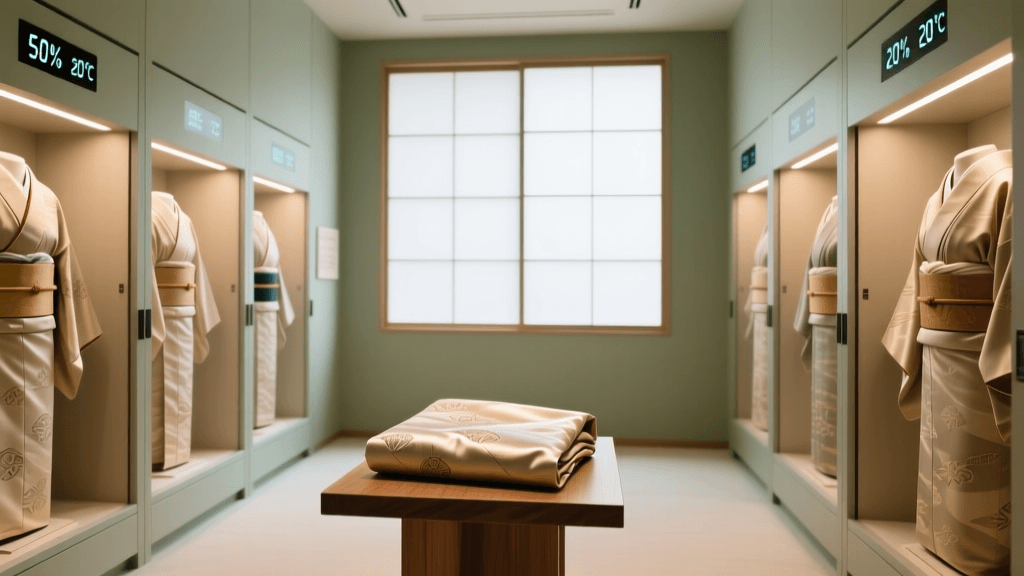
When sourcing Kusaki-zome textiles or raw materials in 2026, look for certifications from regenerative agriculture cooperatives or local artisanal guilds that guarantee ethical harvesting. Caring for these garments requires a departure from modern laundry habits. As highlighted by experts in natural dye preservation, botanical pigments are sensitive to extreme pH levels and harsh friction.
Always wash Kusaki-zome garments by hand in cool water using a pH-neutral, biodegradable soap. Avoid commercial stain removers and optical brighteners, which will strip the natural pigments. Dry the garments in the shade, as prolonged exposure to direct, harsh sunlight can gradually fade non-tannin dyes like Kihada over time. By respecting the delicate chemistry of these natural dyes, you ensure that the garment ages gracefully, developing a unique patina that tells the story of its wear and care.
Conclusion
The integration of Kusaki-zome into contemporary fashion and textile design is more than a nostalgic trend; it is a necessary evolution toward a regenerative industry. By utilizing plants like Ai, Kakishibu, and Kihada, and pairing them with bio-mordants and zero-waste scouring methods, artisans in 2026 are proving that high-quality, beautiful textiles do not require environmental sacrifice. Whether you are a professional designer seeking to green your supply chain or a hobbyist exploring the magic of a living indigo vat, Japanese natural dyeing offers a profound, sustainable connection to the natural world.