Japanese Natural Dye Plants: Sustainable Eco-Methods 2026
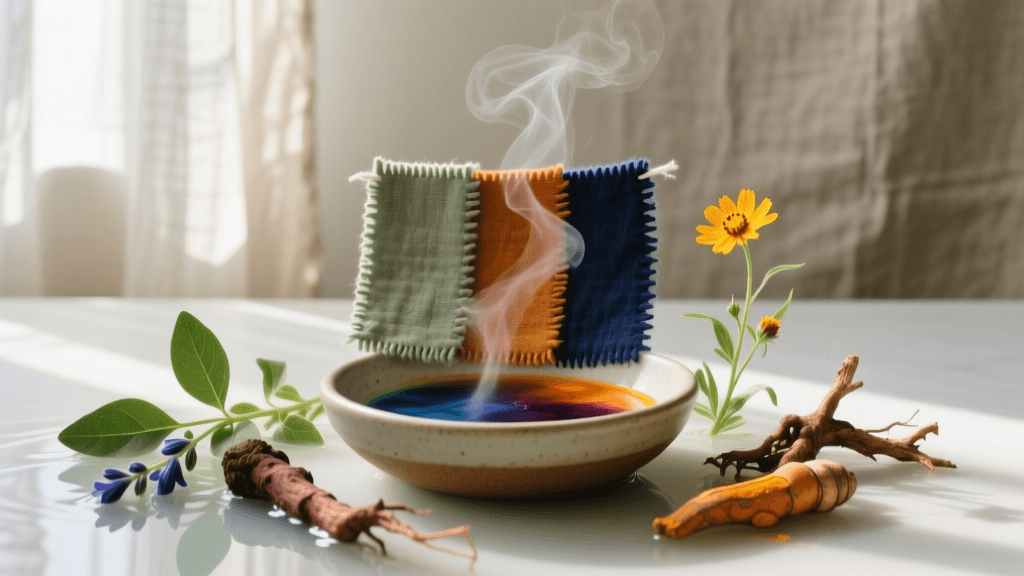
The Renaissance of Kusaki-zome in 2026
As the global fashion industry faces intense scrutiny over its environmental footprint in 2026, traditional Japanese plant dyeing—known as Kusaki-zome—has emerged as a beacon of sustainable textile production. Synthetic dyes, which account for the vast majority of modern textile coloration, are notorious for releasing heavy metals and toxic microplastics into waterways. In stark contrast, Kusaki-zome utilizes renewable botanical resources, biodegradable mordants, and closed-loop water systems. According to early 2026 sustainability reports from Textile Exchange, the demand for naturally dyed, traceable fibers has surged by over 40% this year alone, driven by consumers seeking authentic, eco-friendly garments that honor both the planet and cultural heritage.
For artisans, slow-fashion designers, and DIY enthusiasts, mastering Japanese natural dye plants offers a profound connection to history while utilizing cutting-edge eco-methods. This comprehensive guide explores the most vital botanical dye sources in Japan, sustainable mordanting techniques, and actionable steps to establish a zero-waste dye studio in 2026.
Top Japanese Natural Dye Plants for Eco-Friendly Dyeing
The Japanese archipelago boasts a rich biodiversity that has been harnessed for centuries to color everything from imperial silk robes to everyday cotton workwear. Below are the cornerstone plants of the Kusaki-zome tradition, along with their 2026 cultivation and sourcing profiles.
1. Ai (Japanese Indigo - Polygonum tinctorium)
Unlike tropical indigo species, Japanese indigo thrives in temperate climates and is historically centered in Tokushima Prefecture. The leaves are harvested in late summer and composted to create Sukumo (fermented indigo dye). In 2026, a premium 500g bag of organic Tokushima Sukumo retails for approximately $42 USD. The fermentation process, managed by a master dyer known as an Aishi, takes roughly 120 days. When reduced in an alkaline vat using wood ash lye and sake, Sukumo yields the iconic, colorfast deep blues that actually improve with age and washing.
2. Akane (Japanese Madder - Rubia argyi)
Akane is prized for its ability to produce rich crimson and terracotta reds. The dye compounds (alizarin and purpurin) are concentrated in the plant's roots, which must be cultivated for at least three years before harvesting. To achieve a vibrant red rather than a muddy brown, the extraction bath must be strictly maintained at a pH of 6.0 to 6.5 and heated to no more than 80°C. Boiling Akane roots extracts undesirable brown tannins, a common mistake for beginners.
3. Kakishibu (Persimmon Tannin)
Derived from the unripe fruit of the Japanese persimmon (Diospyros kaki), Kakishibu is less of a traditional colorant and more of a functional finish. The juice is pressed, fermented for up to two years, and applied to paper, wood, and textiles. When exposed to ultraviolet sunlight, the tannins polymerize, creating a waterproof, insect-repellent, and incredibly durable earthy-brown finish. In 2026, Kakishibu is heavily utilized in sustainable outdoor gear and architectural textiles as a natural alternative to synthetic DWR (Durable Water Repellent) coatings.
4. Kariyasu (Japanese Yellow Grass - Miscanthus tinctorius)
Historically reserved for the imperial family and high-ranking nobility, Kariyasu yields a brilliant, luminous yellow. The grass is harvested in autumn, dried, and simmered. Because yellow dyes are notoriously prone to fading, Kariyasu requires a careful eco-mordanting process to ensure longevity, which we will detail below.
Eco-Friendly Mordanting & Extraction Methods
A mordant is a substance used to set dyes on fabrics by forming a coordination complex with the dye, which then attaches to the fabric. Historically, and still in some conventional natural dyeing practices, heavy metals like chrome and tin are used. However, these are highly toxic. In 2026, the Kusaki-zome community strictly advocates for bio-mordants and upcycled mineral mordants.
Soy Milk Binder (Gobu-zome)
For cellulose fibers like cotton, hemp, and linen, plant dyes often struggle to bind. Soy milk acts as a natural protein binder. By soaking fabric in a solution of one part organic, unflavored soy milk to four parts water for 24 hours, the plant proteins coat the cellulose fibers, creating a receptive surface for tannins and flavonoids. This method eliminates the need for metallic salts entirely.
Upcycled Iron Liquor (Tetsu-mizu)
Iron acts as a "saddening" agent, shifting colors to deeper, moodier tones (e.g., turning madder red into deep plum, or yellow grass into olive green). Instead of buying synthetic iron powder, sustainable dyers create iron liquor by submerging rusted, upcycled iron nails in a jar of white vinegar and water for two to three weeks. This yields a highly concentrated, zero-waste iron mordant that costs pennies to produce.
Wood Ash Lye (Aku)
Hardwood ash (preferably from oak or persimmon branches) is soaked in water to extract potassium carbonate. This alkaline liquid is essential for reducing Japanese indigo vats and can also be used as a mild mordant to brighten certain yellow and green dyes, replacing commercially mined alum.
Comparison Chart: Japanese Dye Plants & Eco-Mordants
| Plant (Japanese / English) | Botanical Name | Target Color | Recommended Eco-Mordant | Lightfastness |
|---|---|---|---|---|
| Ai (Indigo) | Polygonum tinctorium | Deep Blue | None (Vat dye process) | Excellent |
| Akane (Madder) | Rubia argyi | Crimson Red | Alum / Soy Milk | Good |
| Kariyasu (Yellow Grass) | Miscanthus tinctorius | Vibrant Yellow | Alum / Wood Ash Lye | Moderate |
| Kakishibu (Persimmon) | Diospyros kaki | Earthy Brown | Sunlight (UV Polymerization) | Excellent |
| Ume (Japanese Plum) | Prunus mume | Soft Pink/Grey | Iron Liquor (for grey) | Poor to Moderate |
Step-by-Step Sustainable Dyeing Process
To achieve professional, colorfast results using Japanese natural dye plants, follow this eco-conscious workflow. This example focuses on dyeing organic hemp fabric using Akane (Madder) and a soy milk binder.
- Scouring: Wash the raw hemp fabric in a pH-neutral, biodegradable eco-soap at 60°C for one hour. This removes natural waxes and oils, ensuring even dye absorption.
- Protein Binding: Submerge the scoured, damp fabric in a 1:4 soy milk-to-water bath. Knead gently and let it soak for 24 hours. Wring out and air dry completely. Repeat this process twice for optimal color saturation.
- Extraction: Place dried Akane roots (use 100% weight of fabric) in a stainless steel pot. Cover with filtered water and slowly heat to 80°C. Maintain this temperature for 45 minutes. Strain the liquid through a fine mesh cloth. Repeat the extraction a second time and combine the liquids.
- Dyeing: Add the prepared fabric to the dye bath. Keep the temperature steady at 60°C to 70°C for one hour, stirring continuously to prevent splotching.
- Oxidation & Washing: Remove the fabric and allow it to oxidize in the air. The color will deepen as it interacts with oxygen. Rinse in cool water until the runoff is clear, then hang to dry out of direct sunlight.
Water Conservation & Greywater Recycling
A major criticism of natural dyeing is its high water usage. However, modern Kusaki-zome studios in 2026 have adopted advanced greywater recycling systems. Because natural plant dyes are entirely biodegradable and free of toxic heavy metals, the exhausted dye baths can be safely neutralized and used to irrigate non-edible landscaping or compost piles. Furthermore, implementing a multi-batch dyeing strategy—where the strongest dye bath is used for dark shades, and the weaker secondary baths are used for pastel shades—maximizes the botanical yield and minimizes water waste.
Sourcing and Ethical Foraging in 2026
As the popularity of natural dyeing grows, ethical sourcing has become paramount. Overharvesting wild plants like Kariyasu can disrupt local ecosystems. The Japan Ministry of Economy, Trade and Industry continues to support and subsidize designated traditional craft villages, ensuring that farming practices for plants like Ai and Akane remain sustainable and economically viable for rural communities. When purchasing dye materials, always look for certified organic or ethically wildcrafted labels. For those outside of Japan, many of these botanicals can be grown in home gardens or sourced from specialized heritage seed banks that preserve Asian heirloom cultivars.
Furthermore, cultural tourism initiatives supported by the Japan National Tourism Organization now offer immersive, eco-friendly dyeing retreats in regions like Tokushima and Kyoto, allowing global artisans to learn directly from multi-generational masters. By embracing these traditional Japanese natural dye plants and eco-friendly methods, we not only reduce the fashion industry's toxic footprint but also keep a profound, living art form thriving for future generations.