Mamianqun in 2026 Global Fashion Media & Editorial Trends
The Ascent of the Mamianqun in Global Fashion Media
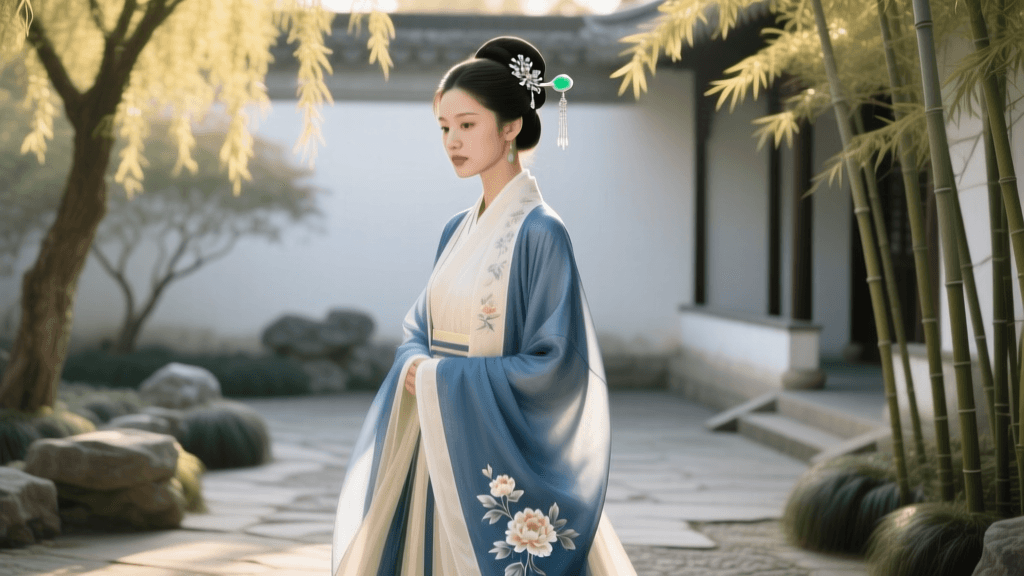
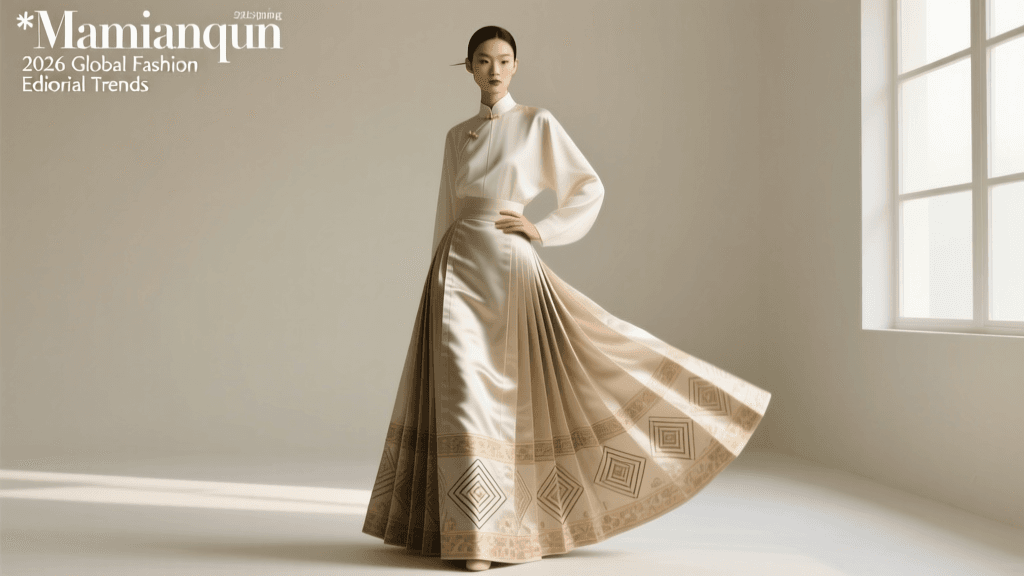
The year 2026 marks a definitive turning point for Asian traditional garments in Western fashion media. Moving beyond fleeting exoticism or superficial appropriation, global fashion publications are now engaging in deep, respectful, and highly stylized integrations of heritage textiles. At the forefront of this movement is the Mamianqun, the traditional Chinese 'horse-face' skirt. Once confined to historical reenactments and niche cultural circles, the Mamianqun has become a staple in high-fashion editorials, Parisian runways, and international red carpets. As documented by the historical records of the Mamianqun, the garment is characterized by its flat front and back panels (the 'horse faces') flanked by intricate, overlapping pleats that allow for fluid movement while maintaining a structured silhouette. In 2026, top-tier stylists and editorial directors are leveraging this unique architectural structure to challenge Western notions of drapery and tailoring.
From Historical Artifact to 2026 Editorial Staple
The transition of the Mamianqun into mainstream global fashion media was not overnight. Following the cultural appropriation debates surrounding Western luxury houses in the early 2020s, the broader Hanfu movement demanded authentic representation and proper attribution. By 2026, fashion media has responded by collaborating directly with Chinese heritage looms, Suzhou silk artisans, and Hanfu historians. According to market analyses from The Business of Fashion, the luxury sector's pivot toward 'heritage authenticity' has made traditionally crafted Asian garments highly sought after for editorial spreads. Magazines are no longer just using the skirt as a prop; they are dedicating multi-page spreads to the weaving techniques of Song brocade (Songjin) and the complex pleating mathematics required to construct a genuine Mamianqun.
Key 2026 Editorial Trends: Mixing Heritage with Modern Tailoring
For fashion stylists, costume designers, and enthusiasts looking to replicate the high-end editorial looks seen in 2026's top fashion periodicals, understanding the interplay between traditional Asian garments and contemporary Western tailoring is essential. The current media landscape favors juxtaposition—pairing the fluid, ornate heritage of the Mamianqun with stark, minimalist modern pieces.
1. Proportions and Silhouettes
The defining editorial trend of 2026 is the 'Structured Top, Fluid Bottom' silhouette. Fashion directors are pairing heavy, floor-length Mamianqun skirts with sharply tailored, cropped wool crepe blazers or structured leather corsetry. The flat front panel of the skirt provides a canvas for the waistline, while the side pleats create a dramatic, sweeping volume that contrasts beautifully with the rigid lines of a modern blazer. Stylists are specifically requesting skirts with a high waistband (typically 8 to 12 centimeters wide) to cinch the waist and elongate the lower half, a technique heavily featured in recent Vogue and Harper's Bazaar editorials.
Fabric Pairings and Textural Contrast
Textural contrast is paramount in current fashion photography. The light-reflective properties of traditional silk jacquard or Xiangyunsha (gambiered Canton gauze) are being contrasted against matte, light-absorbing fabrics. A highly successful 2026 editorial formula involves pairing a shimmering, gold-threaded Ming-dynasty style Mamianqun with a matte charcoal cashmere turtleneck or a sheer, structured silk organza blouse. This contrast prevents the outfit from looking like a historical costume, firmly anchoring it in contemporary high fashion.
2026 Media Coverage: Top Fashion Publications
The approach to styling and presenting the Mamianqun varies across major global fashion publications. Below is a comparative analysis of how the 'Big Three' fashion magazines have integrated the garment into their 2026 editorial calendars.
| Publication | 2026 Editorial Theme | Styling Approach | Target Demographic |
|---|---|---|---|
| Vogue | Architectural Heritage | Paired with avant-garde, sculptural outerwear and metallic footwear. Focus on the geometric pleating. | High-fashion luxury consumers, industry insiders. |
| Harper's Bazaar | Global Romanticism | Styled with sheer blouses, corset belts, and vintage-inspired jewelry. Focus on movement and wind-swept photography. | Affluent millennials, luxury bridal and eveningwear. |
| Elle | Street-Style Fusion | Casualized with oversized knitwear, combat boots, and crossbody bags. Focus on everyday wearability. | Gen Z and younger millennials, street-style enthusiasts. |
Actionable Guide: Sourcing Authentic Mamianqun for 2026
For stylists sourcing pieces for upcoming 2026 editorials, or for consumers looking to invest in authentic garments, navigating the market requires specific knowledge. The influx of demand has led to a bifurcation in the market: mass-produced costume replicas versus authentic, heritage-crafted garments. Global fashion media strictly utilizes the latter for high-profile shoots.
Sourcing and Price Points
Authentic Mamianqun crafted from genuine mulberry silk, featuring traditional wooden loom weaving and hand-finished pleating, typically range from $250 to $850 USD in 2026. Pieces utilizing Xiangyunsha (a labor-intensive, mud-dyed silk from Guangdong) can exceed $1,200 USD. When sourcing, look for established heritage brands based in Suzhou and Hangzhou that provide transparency regarding their weaving techniques and silk origins. Avoid platforms that market 'Hanfu costumes' for under $50, as these are typically made from synthetic polyester blends that lack the drape, weight, and light-reflection required for high-definition editorial photography.
Measurement and Fit Guide
Unlike Western skirts that rely on zippers and darts, the Mamianqun is a wrap skirt secured by ties. Proper measurement is critical for the garment to sit correctly on the hips and waist without gaping or dragging.
- Waist Measurement: Measure exactly where you intend the waistband to sit. For editorial high-waisted looks, measure at the narrowest part of the torso. Add 2-3 centimeters to allow for the overlap of the wrap.
- Skirt Length: Standard editorial lengths for 2026 are 'floor-grazing' (measuring from the waist to 1 centimeter above the floor while wearing the intended footwear). This usually falls between 95cm and 105cm.
- Pleat Depth: High-end editorial skirts feature deep, knife-pleats (often 4cm to 6cm deep) that remain flat when standing but explode into volume during movement. Ensure the supplier uses high-temperature steam setting on natural fibers to maintain pleat memory.
Care and Maintenance for Heritage Silk
Maintaining the structural integrity of a Mamianqun is vital, especially for wardrobe departments on fast-paced editorial sets. Never machine wash or aggressively wring heritage silk. The pleats of a Mamianqun are heat-set; improper washing will destroy the pleat memory. For Xiangyunsha silk, avoid prolonged exposure to direct, harsh sunlight during outdoor shoots, as the unique mud-dye finish can fade or become brittle. Always store the skirt flat or rolled along the waistband to prevent the pleats from stretching out of alignment. If a pleat loses its edge during a shoot, a professional steamer used in conjunction with a wooden clapper (a traditional technique) can reset the fold without damaging the silk fibers.
Red Carpet Impact and Cultural Appreciation
The influence of the Mamianqun has extended far beyond the pages of magazines and onto the most photographed red carpets of 2026. International celebrities and Asian diaspora actors are increasingly selecting authentic Mamianqun paired with contemporary haute couture bodices for global film premieres and award ceremonies. This visibility has sparked a broader conversation about cultural appreciation in fashion. By crediting the specific regional artisans, naming the historical dynasty that inspired the silhouette, and respecting the structural rules of the garment, global fashion media is finally setting a standard for how Asian traditions should be celebrated on the world stage. The Mamianqun is no longer just a trend; in 2026, it is recognized as a masterclass in textile engineering and a permanent, respected fixture in the global fashion lexicon.