Kimono vs Hanbok vs Cheongsam: 2026 Complete Guide
The Renaissance of Asian Heritage Wear in 2026
In the current fashion landscape of 2026, traditional Asian garments have transcended their historical boundaries to become powerful symbols of cultural pride, sustainable fashion, and global sartorial art. The kimono of Japan, the hanbok of Korea, and the cheongsam (or qipao) of China represent three distinct philosophies of garment construction, body adornment, and textile artistry. While Western fashion often relies on darts and complex seaming to sculpt the body to the clothing, these three Asian traditions utilize entirely different structural paradigms—ranging from linear, flat-pattern geometry to volumetric draping and sculptural tailoring.
As heritage wear experiences a massive resurgence among Gen Z and Millennial consumers who prioritize artisanal craftsmanship and cultural storytelling, understanding the structural and stylistic differences between these garments is essential. Whether you are a collector, a fashion student, or someone looking to incorporate traditional Asian dress into your modern wardrobe, this comprehensive guide breaks down the anatomy, modern styling, and sourcing of the kimono, hanbok, and cheongsam for 2026.
The Kimono: Linear Elegance and Structured Layers
Construction and Silhouette
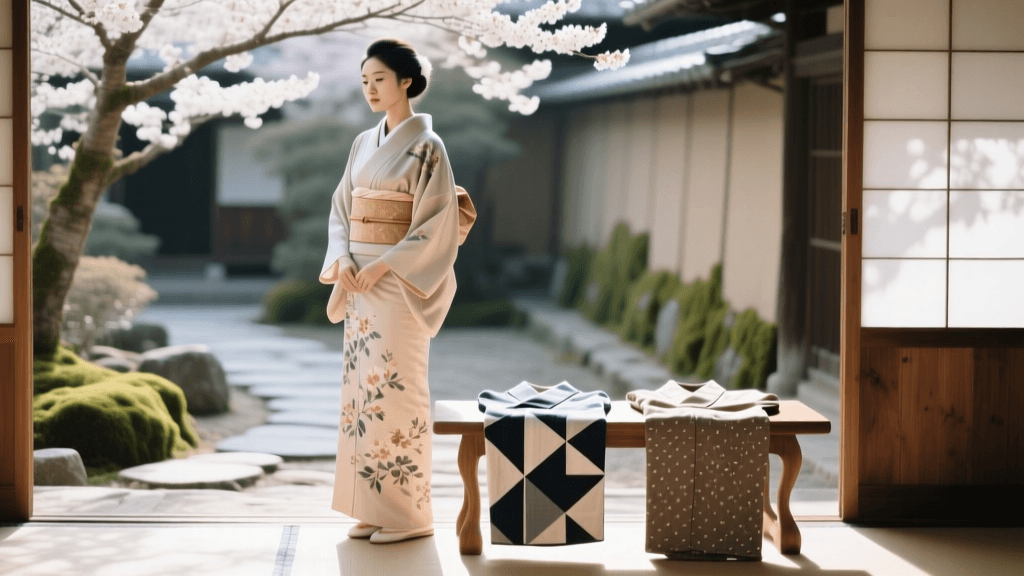
The Japanese kimono is fundamentally an exercise in geometric precision. Constructed from straight bolts of fabric known as tanmono, the kimono features a T-shaped silhouette with minimal cutting and virtually no curved seams. The fabric is folded and sewn to create a garment that hangs straight from the shoulders, completely obscuring the natural curves of the human body. This linear approach elevates the textile itself to the primary focus, turning the wearer into a walking canvas for intricate weaving, dyeing, and embroidery techniques.
According to the extensive textile archives at The Metropolitan Museum of Art, the kimono's flat-pattern construction also allows for seamless disassembly, cleaning, and re-weaving, making it one of the most inherently sustainable and circular garments in history. The silhouette is defined not by the cut of the cloth, but by the obi (sash) and the intricate padding and undergarments worn beneath, which create a smooth, cylindrical foundation.
2026 Fabric Innovations and Styling
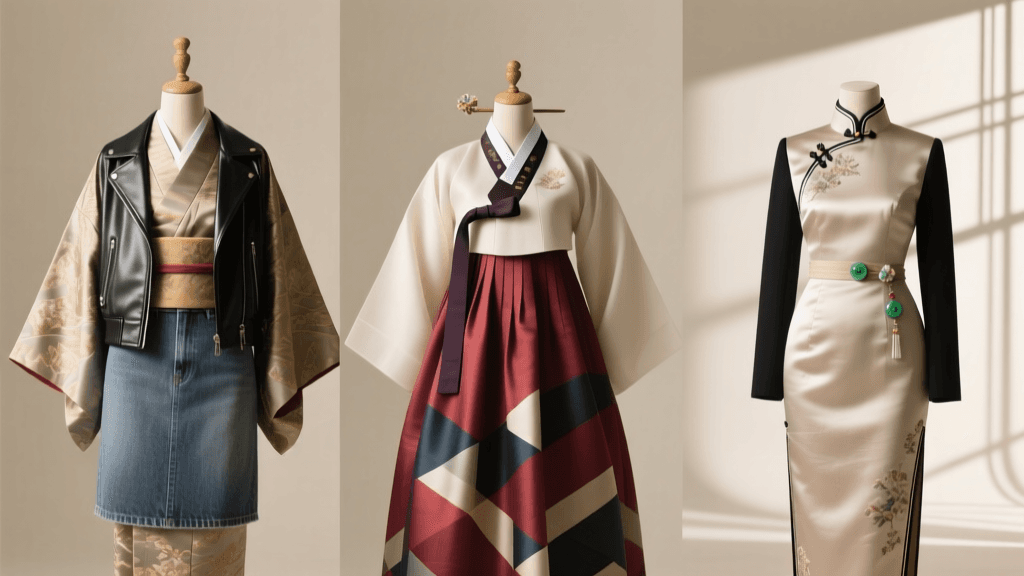
In 2026, the kimono market has seen a surge in advanced, washable silk blends and high-tech polyester weaves that perfectly mimic the slubbed texture of traditional tsumugi silk. These innovations have democratized the garment, allowing for daily wear without the fear of weather damage or the exorbitant costs of professional dry cleaning. Modern styling often involves pairing a minimalist, solid-color kimono with a textured, woven obi, finished with a braided obijime cord. For contemporary fusion, many wearers in Tokyo and Kyoto are styling shorter, ankle-length kimono jackets over wide-leg trousers or pleated skirts, blending Edo-period aesthetics with modern utility.
The Hanbok: Volumetric Grace and Vibrant Contrasts
Construction and Silhouette
The Korean hanbok is defined by its striking volumetric contrasts and fluid lines. For women, the traditional ensemble consists of the jeogori (a short, cropped jacket) and the chima (a full, high-waisted bell-shaped skirt). For men, it comprises the jeogori and baji (roomy, tied trousers). As detailed by Encyclopædia Britannica, the hanbok's design philosophy is rooted in the harmony of straight and curved lines, specifically evident in the baerae—the elegantly curved underarm seam of the jeogori that allows for graceful, unrestricted movement.
Unlike the kimono, which hides the body's form through rigid layering, the hanbok's high empire waist creates an illusion of elongated lower proportions while allowing the skirt to billow dynamically as the wearer walks. The fastening system relies on the goreum, a long, flowing ribbon tied at the chest, which serves as both a functional closure and a vital aesthetic focal point.
2026 Fabric Innovations and Styling
The 2026 hanbok revival is heavily focused on "daily hanbok" (saenghwal hanbok), which adapts the traditional silhouette for urban commuting. Designers are utilizing sustainable ramie blends, organic cotton, and lightweight, matte-finish synthetics that provide the structural volume of the chima without the heavy, cumbersome weight of traditional ceremonial brocades. Cropped jeogori with simplified, snap-button goreum are trending in Seoul's streetwear scene, often paired with modern denim or tailored slacks. The color palettes have also shifted from the strict five-color obangsaek system to muted, earthy tones and pastel gradients that align with contemporary minimalist aesthetics.
The Cheongsam (Qipao): Sculptural Tailoring and Fusion
Construction and Silhouette
The Chinese cheongsam, or qipao, represents a radical departure from the flat-pattern geometry of the kimono and the volumetric draping of the hanbok. Originating in the 1920s as a modernization of Manchu banner robes, the contemporary cheongsam is a masterclass in sculptural tailoring. It is characterized by its form-fitting silhouette, high mandarin collar, asymmetric side fastenings secured by hand-knotted pankou buttons, and strategic side slits that allow for ease of movement.
The construction requires advanced darting and curved seaming to map the garment precisely to the wearer's bust, waist, and hips. The artistry lies in the seamless integration of the textile pattern across these complex seams. Recognizing the immense skill required to produce the textiles that inform these garments, UNESCO has inscribed various traditional silk weaving and sericulture techniques on its Intangible Cultural Heritage list, safeguarding the foundational crafts that make the luxury cheongsam possible.
2026 Fabric Innovations and Styling
In 2026, the cheongsam has evolved into a versatile staple of both high fashion and evening wear. The introduction of stretch-silk blends and elastane-infused brocades has revolutionized the fit, offering the iconic sleek silhouette with unprecedented comfort and breathability. Modern styling frequently plays with proportions: sleeveless, midi-length qipaos in matte crepe are favored for professional settings, while dramatic, floor-length velvet versions with exaggerated side slits dominate red carpets. A major trend this year is the "deconstructed qipao," where the mandarin collar and pankou knots are applied to asymmetrical tunics, leather jackets, and even knitwear.
Comparative Analysis: Silhouette, Fabric, and Function
To truly understand how these garments function in a modern wardrobe, it is helpful to compare their structural and stylistic DNA side-by-side. The following table outlines the core differences across key metrics relevant to collectors and wearers in 2026.
| Feature | Kimono (Japan) | Hanbok (Korea) | Cheongsam / Qipao (China) |
|---|---|---|---|
| Primary Silhouette | Linear, cylindrical, T-shaped | Volumetric, bell-shaped, high-waisted | Sculptural, form-fitting, darted |
| Construction Method | Straight seams, flat-pattern geometry | Curved underarms, gathered skirts | Complex darting, curved side seams |
| Primary Fastening | Obi (wide sash) and obijime | Goreum (chest ribbon) or modern snaps | Pankou (knotted buttons) and hidden zippers |
| 2026 Trend Fabric | Washable silk blends, tech-polyesters | Matte ramie, organic cotton, daily-wear synthetics | Stretch brocade, elastane-silk, matte crepe |
| Modern Styling Vibe | Minimalist layering, kimono jackets over trousers | Cropped jackets with denim, streetwear fusion | Sleek evening wear, deconstructed knitwear |
| Bespoke Base Cost (USD) | $1,500 - $4,000+ | $600 - $1,800 | $800 - $2,500 |
Sourcing, Tailoring, and Cost Guide for 2026
Acquiring authentic, high-quality heritage garments requires navigating a mix of traditional artisans and modern boutique retailers. For the kimono, the most cost-effective route in 2026 is purchasing vintage or recycled silk kimono from specialized online curators in Kyoto, which can range from $80 to $300. However, a brand-new, bespoke kimono woven from traditional Nishijin silk will easily exceed $3,000 and requires multiple fittings over several months.
For the hanbok, the market is highly accessible. Ready-to-wear daily hanbok sets from popular Seoul-based online brands cost between $120 and $250, offering excellent quality and modern sizing. Bespoke ceremonial hanbok, crafted from premium glossy synthetics or natural ramie with hand-embroidered motifs, typically costs between $800 and $1,500 when commissioned from a master tailor in the Bukchon Hanok Village district.
The cheongsam demands the most precise tailoring. Because the fit relies entirely on exact body measurements, off-the-rack options often require costly alterations. In Shanghai and Hong Kong, heritage tailors offer bespoke qipao services starting around $800 for basic stretch crepes, scaling up to $3,000 or more for hand-rolled hems, intricate hand-embroidery, and premium imported silks. When ordering remotely, it is critical to provide a comprehensive set of measurements, including the high hip and under-bust, to ensure the darts sit correctly.
Garment Care and Preservation
Proper care is vital to maintaining the structural integrity and textile vibrancy of these garments. Kimono made of traditional silk should never be washed with water; they require specialized spot cleaning and should be stored flat, folded along their original seam lines with acid-free tissue paper to prevent dye transfer. The 2026 washable variants, however, can be gently hand-washed using pH-neutral detergents and air-dried in the shade.
Hanbok skirts, particularly those made of voluminous synthetic blends, are prone to static and crushing. They should be hung on padded, wide hangers to maintain the waistband's shape and steamed rather than ironed to preserve the fabric's natural luster. Cheongsam garments, especially those with stretch fibers and structured collars, should be dry-cleaned to prevent the interlining of the mandarin collar from warping. Always store them hanging in breathable cotton garment bags, as folding can cause permanent creases along the darted seams and pankou closures.
Cultural Respect and Modern Etiquette
As these garments continue to influence global fashion, wearing them with cultural respect remains paramount in 2026. It is highly encouraged to support authentic Asian designers, heritage weavers, and established tailors rather than purchasing mass-produced, culturally diluted fast-fashion imitations. Understanding the context of the garment—such as knowing that certain kimono crests or hanbok color combinations are historically reserved for weddings or specific rites of passage—ensures that your appreciation translates into respectful, informed sartorial expression. By embracing the unique structural philosophies of the kimono, hanbok, and cheongsam, wearers can celebrate a rich, living history that continues to evolve beautifully in the modern era.