Kanchipuram vs Banarasi Silk Sarees: 2026 Bridal Guide
Introduction to South Asian Bridal Silks in 2026
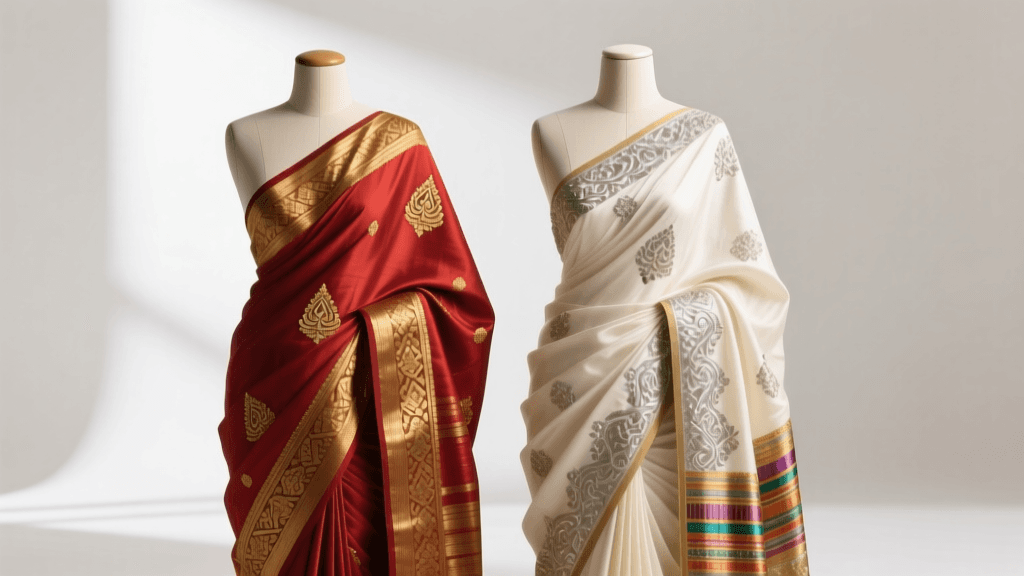
The landscape of South Asian bridal fashion in 2026 is defined by a profound return to heritage textiles and investment dressing. Modern brides are increasingly rejecting mass-produced, fast-fashion bridal wear in favor of heirloom-quality garments that carry cultural weight, artisanal significance, and enduring value. At the very top of this textile hierarchy sit two undisputed titans of Indian weaving: the Kanchipuram (Kanjeevaram) silk saree from the south and the Banarasi silk saree from the north. While both are celebrated for their opulence and are considered essential trousseau pieces, their fabric compositions, weaving techniques, and draping behaviors are fundamentally different. Understanding these textile nuances is critical for any bride or fashion enthusiast navigating the 2026 wedding season.
The Architectural Grandeur of Kanchipuram Silk
Originating from the temple town of Kanchipuram in Tamil Nadu, this textile is renowned for its structural integrity and breathtaking color contrasts. The fabric is woven from pure mulberry silk, which is known for its high tensile strength and lustrous finish. A genuine Kanchipuram saree is a marvel of textile engineering, typically utilizing a three-ply warp (pavu) and a two-ply weft (kani), resulting in a remarkably dense and heavy fabric that can weigh anywhere from 600 to 1,000 grams.
The defining technical feature of the Kanchipuram weave is the korvai technique. Because the body and the border are often in contrasting colors, they are woven separately and then interlocked with immense precision. This interlocking is so strong that even if the saree tears, the border will not detach. Furthermore, the pallu (the decorative end piece) is woven using the petni technique, where the warp threads are carefully joined to a different colored silk thread, creating a seamless yet distinct transition. The motifs are traditionally inspired by South Indian temple architecture, including checks, stripes, and intricate yali (mythical beast) patterns.
The Fluid Opulence of Banarasi Brocade
In stark contrast to the geometric rigidity of the south, the Banarasi saree from Varanasi, Uttar Pradesh, is a masterclass in fluid brocade weaving. According to Britannica's comprehensive guide to the Sari, Banarasi textiles are historically celebrated for their Mughal and Persian influences, evident in their intricate, nature-inspired motifs. The fabric is typically woven on pit looms equipped with jacquard attachments, allowing for the creation of complex, raised patterns known as kinkhwab (brocade).
Banarasi silk, particularly the premium Katan variety, uses twisted pure silk threads that yield a softer, more pliable fabric compared to Kanchipuram silk. The weavers use the silk as the warp and the metallic zari as the weft to create the shimmering motifs. Classic Banarasi motifs include the kalga (paisley or mango), bel (creeper vines), and butidar (small repeating floral dots). Because the zari is woven into the weft rather than acting as a heavy structural border, the resulting fabric is lighter, more malleable, and possesses a liquid-like drape that clings elegantly to the body.
2026 Fabric & Textile Comparison Chart
To help you make an informed decision for your 2026 bridal trousseau, we have compiled a detailed textile comparison of these two legendary weaves.
| Textile Feature | Kanchipuram Silk | Banarasi Silk |
|---|---|---|
| Origin Region | Tamil Nadu (South India) | Uttar Pradesh / Varanasi (North India) |
| Primary Silk Type | Pure Mulberry Silk (Heavy Ply) | Katan (Twisted Pure Silk) or Kora Organza |
| Weaving Technique | Korvai & Petni Interlocking | Jacquard Brocade (Kinkhwab) |
| Zari Integration | Heavy, structural borders and pallu | Intricate, all-over weft motifs |
| Average Garment Weight | 600g - 1,000g | 400g - 700g |
| Drape Quality | Stiff, structured, grand, holds pleats rigidly | Fluid, soft, elegant, conforms to body curves |
| 2026 Market Price Range | $400 - $4,500+ USD | $250 - $3,200+ USD |
Demystifying Zari: 2026 Hallmarking and Purity
A critical component of both textiles is zari, the metallic thread that gives these sarees their signature brilliance. Historically, pure zari consisted of a silk core wrapped in flattened silver wire and electroplated with pure gold. However, market dilution led to the rise of 'tested zari' (copper core) and synthetic plastic yarns. In 2026, the Indian government and textile authorities have heavily promoted the hallmarking and certification of zari to protect consumers. The Ministry of Textiles, Government of India continues to enforce Geographical Indication (GI) tags and quality marks, ensuring that brides purchasing authentic Kanchipuram or Banarasi silks receive verified metallic content. When shopping in 2026, always look for the Silk Mark and the specific GI certification tag, which guarantees the purity of both the silk filament and the zari composition.
Drape, Fall, and Modern Silhouette Styling
The physical weight and weave of the fabric dictate how the garment will behave when draped. Kanchipuram silk is inherently stiff. To achieve the crisp, uniform pleats seen in traditional South Indian draping, the saree must be stitched with a heavy, wide cotton 'fall' at the bottom hem. This added weight anchors the fabric, allowing the stiff silk to flare out beautifully. In 2026, stylists are pairing Kanchipuram silks with contrast Kanjeevaram silk blouses featuring modern corset-style boning to balance the traditional heaviness of the drape with contemporary silhouettes.
Banarasi silk, being significantly more pliable, is the preferred choice for experimental and modern drapes. Its fluid nature makes it ideal for the dhoti-style drape, the mermaid drape, or even pre-stitched 2026 gown-saree hybrids. Because it clings to the body, it requires a lighter, more flexible fall, and it pairs exceptionally well with structured velvet blouses or sheer organza capes for winter weddings.
The Rise of Ahimsa and Sustainable Silks in 2026
A major textile trend in 2026 is the demand for eco-conscious and cruelty-free bridal wear. Both Kanchipuram and Banarasi weavers have adapted by introducing Ahimsa (peace) silk, where the silkworm is allowed to emerge from the cocoon before the silk is harvested. While Ahimsa silk has a slightly more textured, matte finish and lower tensile strength than conventional mulberry silk, it appeals deeply to the eco-conscious modern bride. Additionally, weavers are experimenting with lotus stem fibers and bamboo-silk blends in the weft to create lighter, breathable, and highly sustainable heritage garments without compromising the traditional aesthetic.
Archival Care for Heirloom Textiles
Investing in these heavy silks requires meticulous care to ensure they survive as heirlooms for the next generation. The Metropolitan Museum of Art's extensive archives on Indian textile history and conservation highlight the vulnerability of natural protein fibers to light, moisture, and pests. For 2026 collectors and brides, the golden rules of storage are non-negotiable. Never use naphthalene balls or chemical moth repellents, as they react with the metallic zari, causing it to blacken and tarnish permanently. Instead, wrap the saree in unbleached, acid-free muslin cloth. Store them flat in a cool, dark, and dry environment. Crucially, you must refold the saree every three to four months along different lines to prevent the heavy silk warp threads from snapping or developing permanent crease marks along the fold lines.
Conclusion
Choosing between Kanchipuram and Banarasi silk is not merely a matter of regional preference; it is a decision rooted in textile architecture, drape physics, and styling intentions. If your 2026 bridal vision demands structural grandeur, bold color blocking, and a heavy, regal presence, the interlocking weaves of Kanchipuram are unmatched. Conversely, if you desire a fluid, romantic drape adorned with intricate, all-over brocade motifs that move gracefully with your body, the Banarasi kinkhwab is your ultimate canvas. By understanding the profound fabric differences outlined in this guide, you can confidently select a masterpiece that honors Asian weaving traditions while perfectly serving your modern bridal aesthetic.