Sustainable Japanese Natural Dye Plants & Eco-Methods In 2026
The Renaissance of Kusaki-Zome in 2026
As the global fashion industry faces mounting pressure to eliminate petrochemical pollutants, the ancient Japanese art of Kusaki-zome (plant and tree dyeing) has emerged as a beacon of sustainable textile production in 2026. Far from being a mere historical curiosity, Kusaki-zome represents a sophisticated, closed-loop system of color extraction that harmonizes with local ecosystems. Today's artisans and forward-thinking fashion houses are leveraging traditional Japanese natural dye plants alongside modern eco-friendly methods to create vibrant, colorfast textiles with a net-zero environmental footprint.
According to the Ellen MacArthur Foundation's insights on circular fashion, the transition toward regenerative agricultural byproducts and non-toxic mordants is the defining shift of the 2026 textile landscape. Japanese dyeing traditions, which have utilized agricultural waste and native flora for centuries, offer a perfect blueprint for this modern circular economy.
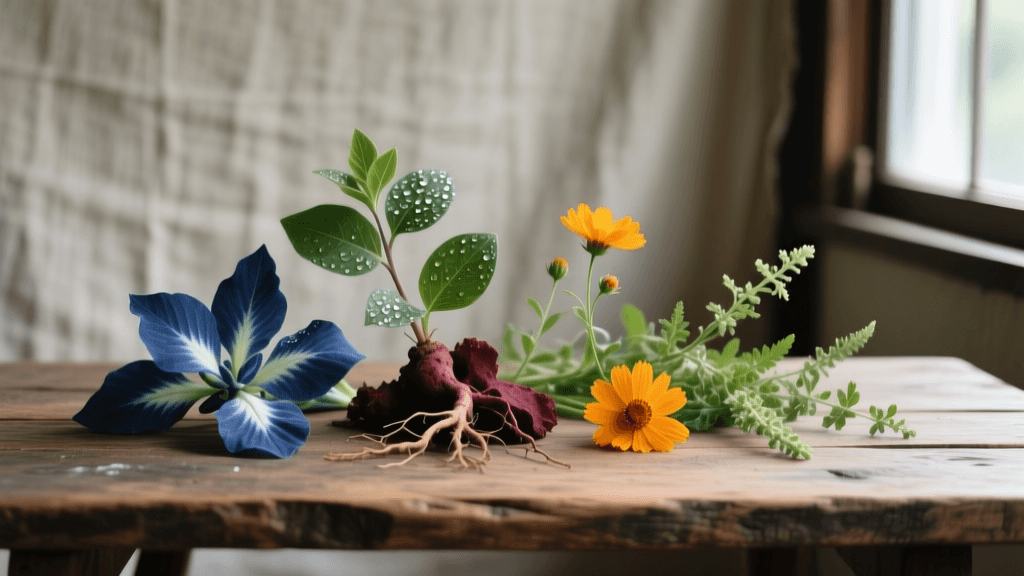
The Core Japanese Natural Dye Plants
Ai (Japanese Indigo)
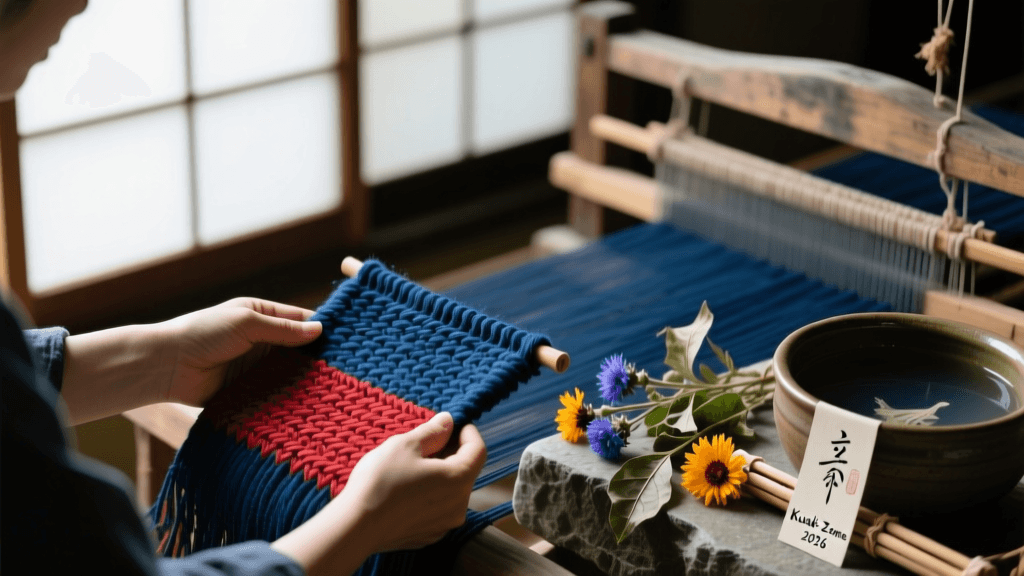
Sourced from Persicaria tinctoria, Japanese indigo is arguably the most famous of all natural dyes. Unlike synthetic indigo, which requires toxic reducing agents like sodium hydrosulfite, traditional Ai relies on a natural fermentation process. The leaves are composted to create sukumo, a dried, fermented dye material. In 2026, sustainable studios utilize solar-thermal vats to maintain the precise 30°C (86°F) temperature required for the indigo bacteria to thrive, eliminating the need for fossil-fuel-powered heating. The resulting shades of Japan Blue range from pale sky to deep, near-black navy, offering unparalleled UV protection and antibacterial properties to the dyed fibers.
Akane (Japanese Madder)
Rubia argyi, or Japanese madder, yields a spectrum of warm reds, oranges, and terracotta hues. The dye is extracted from the roots of the plant, which are typically harvested after three years of growth. Modern eco-conscious dyers in 2026 are pioneering intercropping methods, growing Akane alongside nitrogen-fixing legumes to maintain soil health without synthetic fertilizers. When combined with an alum mordant, Akane produces brilliant, lightfast reds that have historically been reserved for high-status garments and ceremonial textiles.
Kihada (Amur Cork Tree)
The inner bark of the Phellodendron amurense tree produces a striking, luminous yellow due to its high berberine content. Kihada is unique because it requires no mordant; the berberine binds directly to cellulose and protein fibers. Beyond its aesthetic appeal, Kihada-dyed textiles are naturally insect-repellent and antibacterial. In 2026, sustainable forestry initiatives in the Tohoku region ensure that Kihada bark is harvested using non-lethal stripping techniques, allowing the tree to regenerate and continue sequestering carbon.
Kakishibu (Persimmon Tannin)
While technically a finish rather than a traditional dye, Kakishibu is indispensable in Japanese textile arts. Extracted from the fermentation of unripe persimmons, this tannin-rich liquid transforms fabrics into durable, water-resistant, and paper-like materials. Artisans apply Kakishibu and then sun-bake the textiles; the UV rays catalyze a polymerization process that binds the tannins to the fibers. In 2026, Kakishibu is widely sourced as an upcycled byproduct from the Japanese juice and sake industries, ensuring zero agricultural waste.
Eco-Friendly Methods and 2026 Innovations
The sustainability of Kusaki-zome extends far beyond the plants themselves. The methodology of extraction, mordanting, and waste management has been radically optimized for the modern era.
Closed-Loop Water Filtration
Historically, dyeing consumed vast quantities of water. Today, micro-studios in Kyoto and Tokyo employ advanced closed-loop water filtration systems. After the dye bath is exhausted, the water passes through bio-char and membrane filters, removing heavy metals from mordants and organic particulates. The purified water is then recirculated into the studio's next scouring bath, reducing overall water consumption by up to 85% compared to conventional methods.
Bio-Mordants and pH Balancing
The use of toxic metallic mordants (like chrome or tin) is strictly avoided in modern eco-dyeing. Instead, 2026 practitioners rely on bio-mordants such as symplocos (a plant naturally high in aluminum) or locally sourced wood ash lye. Digital pH meters and automated dosing pumps allow artisans to precisely balance the alkalinity of their vats using natural citric acid or fermented plum vinegar, ensuring maximum color yield without chemical runoff. For a deeper dive into non-toxic color fixation, the Botanical Colors natural dyeing primer offers excellent foundational protocols.
Upcycling Agricultural Byproducts
A major trend in 2026 is the utilization of secondary botanical waste. Studios are partnering with local farms to collect discarded onion skins, chestnut burrs, and spent tea leaves. These byproducts, which would otherwise contribute to landfill methane emissions, are simmered to create beautiful secondary palettes of golds, browns, and soft greens, pushing the zero-waste philosophy to its absolute limit.
2026 Market Data: Japanese Natural Dye Plants
Understanding the economic landscape is crucial for designers looking to integrate Kusaki-zome into their supply chains. Below is a comparison of the primary Japanese dye plants, their eco-benefits, and current 2026 wholesale market metrics.
| Plant Name | Color Yield | Eco-Benefit | 2026 Cost (per kg) |
|---|---|---|---|
| Ai (Sukumo) | Indigo / Navy | Carbon-negative fermentation; soil regeneration | $45.00 - $60.00 |
| Akane (Root) | Red / Terracotta | Perennial crop; prevents soil erosion | $35.00 - $50.00 |
| Kihada (Bark) | Luminous Yellow | Non-lethal bark stripping; natural pest repellent | $28.00 - $40.00 |
| Kakishibu (Liquid) | Brown / Amber | Upcycled agricultural waste; UV-catalyzed | $15.00 - $25.00 |
Actionable Guide: Starting a Micro-Dye Studio
For textile artists and independent brands aiming to adopt Japanese natural dyeing methods in 2026, establishing a micro-studio requires careful planning and adherence to eco-friendly principles. Here is a step-by-step guide to getting started.
- Step 1: Source Ethically. Partner directly with Japanese cooperatives or certified organic farms in Tokushima (for Ai) and Nara (for Kakishibu). Verify that your suppliers utilize regenerative farming practices.
- Step 2: Invest in Solar-Thermal Equipment. Dye extraction requires sustained heat. Install solar water heaters to maintain extraction vats at 80°C (176°F) for bark and root dyes, drastically cutting your studio's energy overhead.
- Step 3: Implement Ash-Lye Mordanting. Instead of purchasing mined alum, collect hardwood ash from local, sustainable pizza ovens or fireplaces. Steep the ash in water, filter it, and use the alkaline lye as a natural mordant and scouring agent.
- Step 4: Compost Exhausted Botanicals. Once a dye bath is fully exhausted, the remaining plant matter is rich in nitrogen and organic compounds. Compost these materials to create nutrient-dense soil for your next season's dye garden.
- Step 5: Digital Traceability. Utilize QR codes on your finished garments that link to a digital ledger showing the exact farm, plant batch, and water-recycling metrics used. Transparency is the ultimate currency in 2026 sustainable fashion.
The Cultural and Environmental Legacy
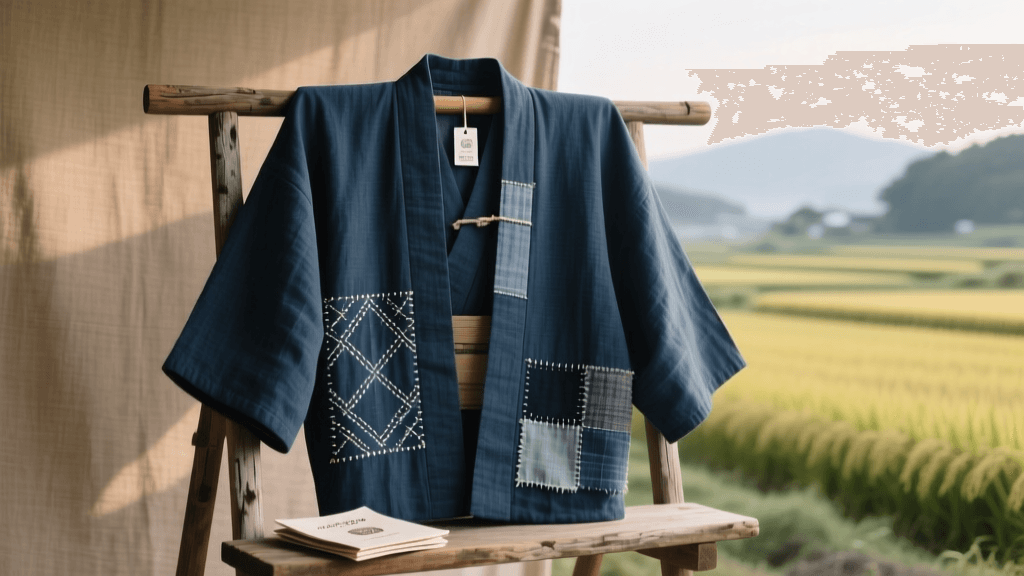
The integration of Kusaki-zome into contemporary fashion is not merely an aesthetic choice; it is a profound environmental statement. By embracing the imperfections and seasonal variations inherent in natural dyes, designers are pushing back against the homogenized, hyper-synthetic fast fashion model. The Victoria and Albert Museum's comprehensive guide on natural dyes highlights how historical techniques are actively informing the future of sustainable material science.
'Kusaki-zome teaches us that color is not a chemical to be manufactured, but a gift to be cultivated. In 2026, our duty is to receive that gift without depleting the earth that provides it.'
— Master Dyer Hiroshi Takaoka, Kyoto Textile Guild
As we move further into 2026, the fusion of ancestral Japanese wisdom and cutting-edge green technology proves that true luxury lies in sustainability. Whether it is the deep, living blues of fermented indigo or the warm, sun-baked browns of persimmon tannin, Japanese natural dye plants offer a vibrant, eco-friendly path forward for the global textile industry.