Japanese Natural Dye Plants: Eco-Friendly Methods 2026
The Renaissance of Kusaki-Zome in 2026
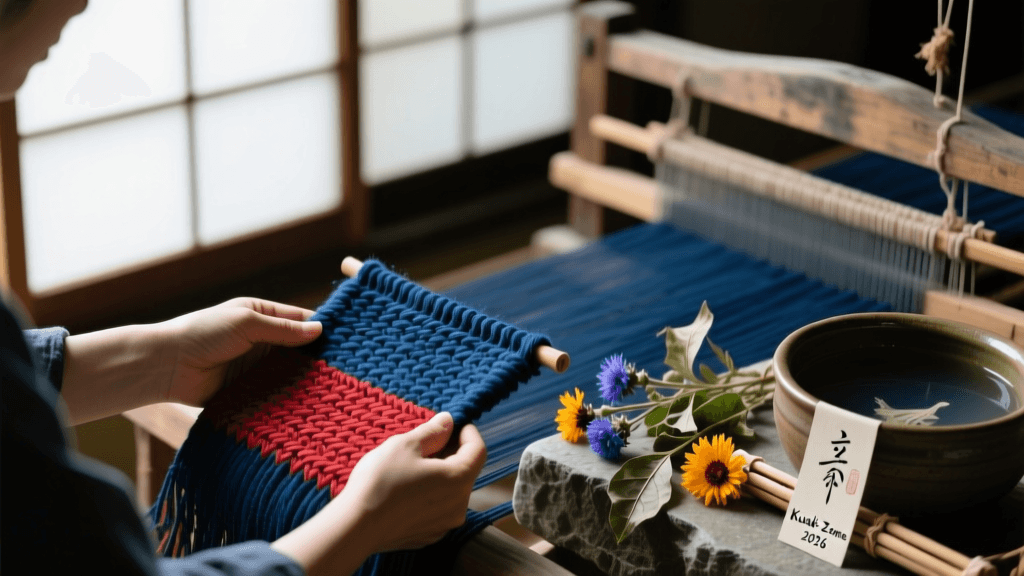
In the contemporary landscape of sustainable fashion, the ancient Japanese art of Kusaki-zome (plant dyeing) has experienced a profound renaissance. As we navigate 2026, the global textile industry is under immense pressure to reduce its chemical footprint and water consumption. In response, Japanese artisans and modern eco-designers are turning back to the earth, utilizing indigenous botanical dye plants not merely for their exquisite, ephemeral colors, but for their integration into hyper-sustainable, closed-loop production systems. The Ministry of Economy, Trade and Industry (METI) has actively supported this shift, recognizing that traditional crafts hold the key to future ecological balance in textile manufacturing.
Unlike the mid-20th-century reliance on synthetic petrochemical dyes, the 2026 Kusaki-zome movement prioritizes regenerative agriculture, zero-waste extraction, and bio-mordanting. Artisans in historic dyeing hubs like Tokushima and Kyoto are now pairing centuries-old botanical knowledge with modern eco-engineering, creating a paradigm where traditional Asian garments are produced with a net-positive environmental impact.
Core Botanicals: Ai, Benibana, and Kihada
The foundation of Japanese natural dyeing rests on a triumvirate of powerful plants. In 2026, the cultivation and processing of these plants have been optimized for maximum yield and minimum ecological disruption, aligning with the Food and Agriculture Organization's (FAO) principles of sustainable agricultural intensification.
Ai (Japanese Indigo)
Persicaria tinctoria, known as Ai, remains the undisputed king of Japanese natural dyes. The process of creating sukumo (composted indigo leaves) is a masterclass in microbial fermentation. In 2026, Tokushima indigo farms utilize solar-powered climate-controlled composting sheds to maintain the precise 30°C temperature required for the Polygonum bacteria to thrive, reducing the traditional 90-day composting energy footprint by 40%. The resulting sukumo is rich in indican, which, when reduced in an alkaline vat, yields the iconic deep blues that range from kame-nozoki (pale blue) to kon (navy). Modern studios now capture the methane off-gassing from the fermentation process to heat the dye vats, creating a brilliant micro-circular energy system.
Benibana (Safflower)
Carthamus tinctorius, or Benibana, is unique in its ability to produce both vibrant yellows and a striking, elusive red. The red pigment, carthamin, is notoriously difficult to extract and highly sensitive to alkalinity. In 2026, zero-waste protocols dictate that the yellow pigments are first extracted in cold water and used to dye under-layers of silk kimono linings. The remaining petals are then treated with a mild, plant-derived alkaline solution (often sourced from rice straw ash) to release the red. The exhausted petals are subsequently composted and returned to the safflower fields in Yamagata Prefecture, ensuring a closed-loop nutrient cycle that eliminates the need for synthetic fertilizers.
Kihada (Amur Cork Tree)
The inner bark of the Phellodendron amurense tree yields a brilliant, lightfast yellow and possesses natural insect-repellent properties due to its high berberine content. Historically used for dyeing the robes of Buddhist monks and preserving important manuscripts, Kihada is now harvested using advanced, non-lethal bark-stripping techniques developed in 2026. These methods allow the tree to regenerate its inner bark within five years, preventing deforestation and preserving the biodiversity of the mountainous regions of Hokkaido and Tohoku.
Eco-Friendly Mordanting & Closed-Loop Water Systems
The most significant environmental hazard in historical natural dyeing was the use of heavy metal mordants, such as chrome and tin, which are toxic to aquatic ecosystems. The 2026 standard for Kusaki-zome strictly prohibits these metals. Instead, artisans employ bio-mordants. Soy milk (rich in proteins) is used to bind dyes to cellulose fibers like cotton and hemp, while tannin-rich extracts from invasive species like Japanese knotweed or fallen acorn cups are used to shift colors and improve lightfastness on silk and wool.
Water consumption is another critical factor. Traditional dyeing requires massive volumes of water for rinsing. Today, artisanal studios employ Environmental Protection Agency (EPA)-aligned bio-filtration systems. These closed-loop systems pass wastewater through layers of activated bamboo charcoal and mycelium networks. The mycelium breaks down organic dye residues, while the charcoal adsorbs impurities, allowing up to 85% of the water to be recycled back into the studio for the next dye batch.
2026 Eco-Impact Comparison of Traditional Dye Plants
| Plant Name | Botanical Name | Target Color | Water Usage (per 1kg fabric) | 2026 Eco-Mordant Used |
|---|---|---|---|---|
| Ai (Indigo) | Persicaria tinctoria | Blue | 12 Liters (Vat recycled) | None (Vat dyeing) |
| Benibana (Safflower) | Carthamus tinctorius | Red / Yellow | 25 Liters | Rice Straw Ash / Ume Plum Vinegar |
| Kihada (Amur Cork) | Phellodendron amurense | Yellow | 18 Liters | Soy Milk Protein Binder |
| Kurumazome (Walnut) | Juglans ailantifolia | Brown | 15 Liters | Iron from Recycled Rusty Nails |
Actionable Guide: Building a Zero-Waste Ai (Indigo) Vat
For textile artists and sustainable fashion designers looking to implement Japanese indigo dyeing in 2026, establishing a healthy, eco-friendly sukumo vat is essential. Follow these precise, modernized steps to ensure a thriving, low-impact dye bath.
- Step 1: Sourcing and Ratios. Begin with 500g of high-quality, organically certified Tokushima sukumo. In 2026, expect to pay approximately 18,000 JPY per kilogram due to the labor-intensive composting process. Place the sukumo in a food-grade, insulated HDPE vat (minimum 20-liter capacity).
- Step 2: Alkaline Solution Preparation. Instead of using commercially synthesized sodium hydroxide, create a traditional wood ash lye (akumizu). Boil 2kg of hardwood ash (preferably oak or camellia) in 10 liters of rainwater for two hours. Filter through a dense cotton cloth. The target pH for the indigo vat is between 11.0 and 11.5. Use a calibrated 2026 digital pH meter to verify the alkalinity before adding it to the vat.
- Step 3: Reduction Agent. Add 150g of wheat bran and 50ml of artisanal sake or natural fruit wine. The sugars and yeast will feed the indigo-reducing bacteria (Clostridium), stripping the oxygen from the indican and transforming it into water-soluble leuco-indigo.
- Step 4: Temperature Management. Maintain the vat at a strict 30°C to 35°C. Modern eco-studios use waterproof silicone heating mats powered by portable solar generators to maintain this temperature without relying on grid electricity.
- Step 5: Feeding and Maintenance. Stir the vat gently once a day. If the liquid turns dark and smells of ammonia, the bacteria are starving; add a splash of sake and a handful of wheat bran. When the surface shows a metallic copper bloom and the liquid beneath is a clear yellow-green, the vat is ready for dyeing.
- Step 6: Oxidation and Rinsing. Submerge scoured, soy-milk-treated cotton or silk for 15 minutes. Remove the fabric and expose it to the air. The leuco-indigo will oxidize, turning from yellow to green, and finally to a deep, permanent blue. Rinse in the bio-filtered water system to neutralize the pH and lock in the color.
The Future of Sustainable Asian Textiles
The integration of Kusaki-zome into the modern eco-conscious wardrobe is no longer a niche pursuit; it is a vital component of the 2026 sustainable fashion ecosystem. By honoring the botanical origins of our textiles and employing rigorous, science-backed eco-methods, artisans are proving that the future of Asian traditions lies in a deep, respectful partnership with nature. As consumers and creators, supporting these closed-loop, plant-based dyeing initiatives ensures that the vibrant hues of Japanese heritage will continue to thrive without compromising the health of our planet.
"The true mastery of Kusaki-zome in 2026 is not just in achieving the perfect shade of blue, but in ensuring the water we return to the earth is cleaner than when we drew it." — Master Dyer, Tokushima Prefecture.