Banarasi Silk Sari Zari Preservation: 2026 Care Guide
The Enduring Legacy of Banarasi Silk and Zari
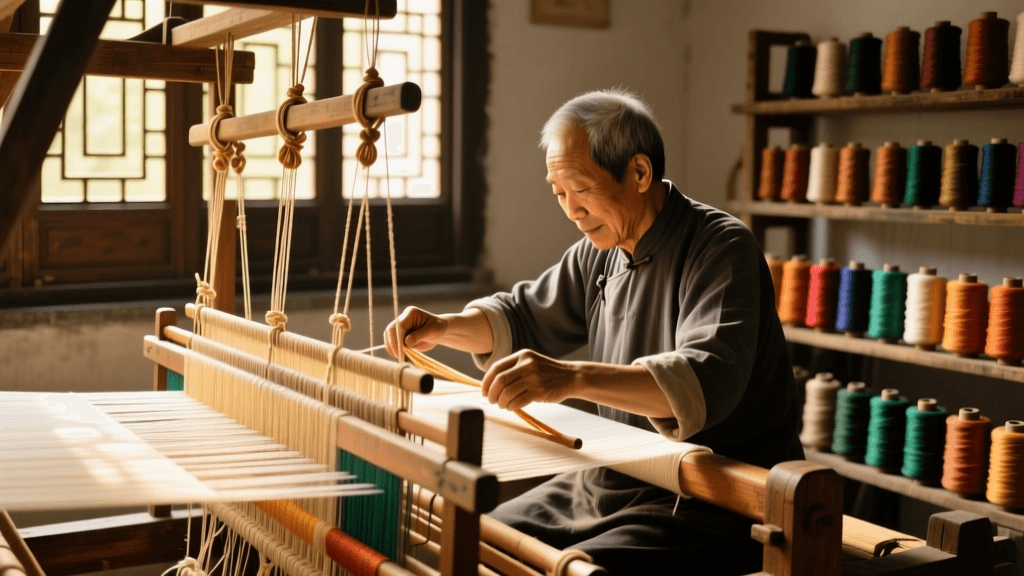
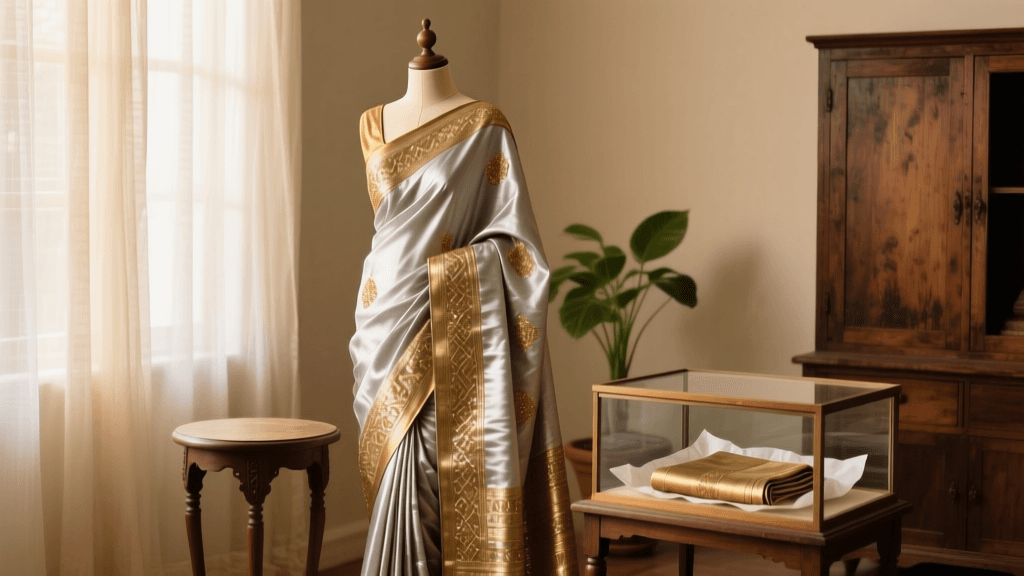
Banarasi silk saris are among the most exquisite, culturally significant, and highly sought-after traditional garments in South Asia. Woven in the ancient city of Varanasi, these heirloom textiles are defined by their intricate motifs, luxurious silk base, and, most notably, their opulent zari work. Zari is the metallic thread that gives Banarasi saris their signature shimmer and structural grandeur. However, as of 2026, the preservation of these metallic threads remains one of the most challenging aspects of Asian garment care. Whether you are storing a vintage piece passed down through generations or protecting a recent high-end purchase, understanding the chemistry of zari and the modern standards of textile conservation is essential.
Unlike standard silk care, preserving a Banarasi sari requires a dual approach: protecting the protein-based silk fibers from humidity and pests, while simultaneously shielding the metallic zari from oxidation, tarnish, and chemical degradation. In this comprehensive 2026 guide, we will explore the latest archival storage solutions, climate control technologies, and expert restoration techniques to ensure your Banarasi silk sari remains pristine for decades to come.
Understanding Zari: Pure vs. Synthetic Threads
Before implementing a preservation strategy, it is crucial to identify the type of zari used in your garment. Historically, pure zari (often called asli zari) consisted of a silk core thread wrapped with a flattened silver wire, which was then plated in real gold. Today, the market features several variations, each with distinct preservation needs:
- Pure Zari: Contains real silver and gold. It is highly susceptible to tarnishing when the silver core reacts with sulfur compounds in the air or acidic oils from human skin, resulting in a dark, blackened appearance beneath the gold plating.
- Tested Zari: Uses a copper or synthetic core wrapped in silver-plated copper wire. It tarnishes faster than pure zari and is prone to verdigris (green corrosion) in high-humidity environments.
- Plastic/Imitation Zari: Made from metallic-coated polyester or nylon. While it does not tarnish chemically, the metallic coating can flake off over time if subjected to friction, harsh folding, or dry-cleaning chemicals.
According to guidelines published by the American Institute for Conservation (AIC), metallic threads in historical textiles require specialized microclimates to prevent the off-gassing of corrosive compounds from adjacent materials. This principle is just as critical for modern Banarasi saris as it is for museum artifacts.
The 2026 Standard for Archival Storage
Traditional storage methods, such as wrapping saris in standard cotton, using naphthalene (moth) balls, or storing them in wooden trunks, are now considered highly detrimental by textile conservators. Naphthalene releases acidic gases that accelerate zari tarnish, while untreated wood emits volatile organic compounds (VOCs) and tannins that stain silk. In 2026, the gold standard for heirloom garment storage relies on inert, archival-grade materials.
Storage Material Comparison Chart
| Storage Material | Archival Rating | Breathability | Primary Use Case | 2026 Avg. Cost (USD) |
|---|---|---|---|---|
| Unbleached Muslin (Mulmul) | High | Excellent | Primary breathable wrapping layer | $15 - $25 per yard |
| Acid-Free Tissue Paper (Buffered) | Excellent | Low | Cushioning folds, preventing creases | $30 per 50-sheet pack |
| Polyethylene Archival Boxes | Excellent | None (Sealed Microclimate) | Long-term storage, pest barrier | $45 - $85 per box |
| Standard Plastic Bins (PVC/PP) | Poor (Off-gassing) | Low | Not recommended for silk/zari | $15 - $20 per bin |
| Cedar Wood Trunks | Poor (Acidic Oils) | Variable | Not recommended without heavy sealing | $150+ per trunk |
For optimal preservation, wrap the sari first in a layer of washed, unbleached muslin to allow the silk to breathe. Then, place the wrapped sari inside an acid-free, lignin-free archival box made from corrugated polyethylene. The Canadian Conservation Institute (CCI) strongly recommends polyethylene or polypropylene plastics for textile storage, as they are chemically stable and do not emit the harmful plasticizers found in older PVC bins.
Step-by-Step Zari Tarnish Prevention Routine
Tarnish is an electrochemical reaction. To stop it, you must eliminate the catalysts: moisture, sulfur, and friction. Follow this routine when storing your Banarasi sari for more than a few weeks.
1. The Cushion Fold Technique
Sharp creases are the enemy of zari. When metallic threads are folded sharply, the metal fatigues, cracks, and eventually snaps, taking the gold plating with it. To prevent this, use the cushion fold method. As you fold the sari, roll sheets of acid-free tissue paper into loose cylinders and place them inside every fold. This creates a soft, rounded curve rather than a hard crease, preserving the structural integrity of both the silk warp and the zari weft.
2. Incorporating Anti-Tarnish Strips
In 2026, archival anti-tarnish strips (often made with zinc or copper scavengers that absorb airborne sulfur and hydrogen sulfide) are widely available and highly effective. Place two or three of these strips inside the archival box alongside the sari. These strips neutralize the corrosive gases before they can reach the silver core of the zari. Replace these strips every six months for maximum efficacy.
3. Climate Control and Smart Monitoring
Silk is highly hygroscopic, meaning it absorbs moisture from the air. If relative humidity (RH) exceeds 65%, mold can bloom on the silk, and tested zari will rapidly develop green copper corrosion. Conversely, if RH drops below 30%, the silk becomes brittle. The ideal storage environment for a Banarasi sari is a stable 45% to 55% RH at a temperature of 65°F to 70°F (18°C to 21°C).
Modern smart hygrometers, such as the latest Wi-Fi-enabled sensor pods available in 2026, allow you to monitor the microclimate inside your storage closet or archival box via a smartphone app. If you live in a highly humid region like Mumbai, Singapore, or the American South, consider storing your archival boxes inside a room with a dedicated dehumidifier, or use renewable silica gel canisters that can be recharged via a wall outlet when they become saturated.
Safe Cleaning and Restoration Techniques
Cleaning a Banarasi sari is fraught with peril. The most common mistake owners make is taking these garments to standard commercial dry cleaners. Traditional dry cleaning utilizes perchloroethylene (PERC), a harsh solvent that can strip the delicate gold plating from pure zari and cause imitation zari to peel entirely.
When to Seek Professional Conservation
If your sari has developed black tarnish on the zari, do not attempt to rub it with silver polish or home remedies like tamarind or baking soda. These abrasives will permanently destroy the gold plating and stain the surrounding silk. Instead, seek out a professional textile conservator. In 2026, many specialized conservators use localized, non-aqueous solvent gels and microscopic mechanical reduction to carefully lift tarnish from metallic threads without disturbing the silk base.
Post-Wear Care
After wearing your Banarasi sari, never store it immediately. The natural oils, sweat, and perfumes from your skin are highly acidic and will accelerate zari degradation. Hang the sari on a padded, wide-shoulder hanger in a well-ventilated, shaded room for 24 to 48 hours to allow moisture and odors to dissipate. Avoid direct sunlight, as UV radiation rapidly degrades silk proteins, causing irreversible yellowing and fiber weakening.
"The key to preserving metallic threads in traditional Asian textiles is proactive isolation. By the time visible tarnish or corrosion appears, the chemical reaction has been occurring for months. Archival enclosures and sulfur-scavenging materials are your first and most important line of defense."
— Principles of Textile Conservation, 2026 Edition
Conclusion: Investing in the Future of Your Heirlooms
A genuine Banarasi silk sari is not merely a piece of clothing; it is a wearable work of art and a significant financial and emotional investment. The preservation techniques available in 2026 make it easier than ever to protect these garments from the ravages of time, humidity, and chemical degradation. By abandoning outdated storage habits and embracing archival-grade materials, smart climate monitoring, and the cushion fold technique, you ensure that the brilliant shimmer of your sari's zari work will continue to captivate generations to come. Treat your Banarasi silk with the respect it deserves, and it will remain a flawless testament to South Asian weaving heritage for a lifetime.