Japanese Natural Dye Plants 2026: Eco-Friendly Kusaki-Zome Methods
The Renaissance of Kusaki-Zome in 2026
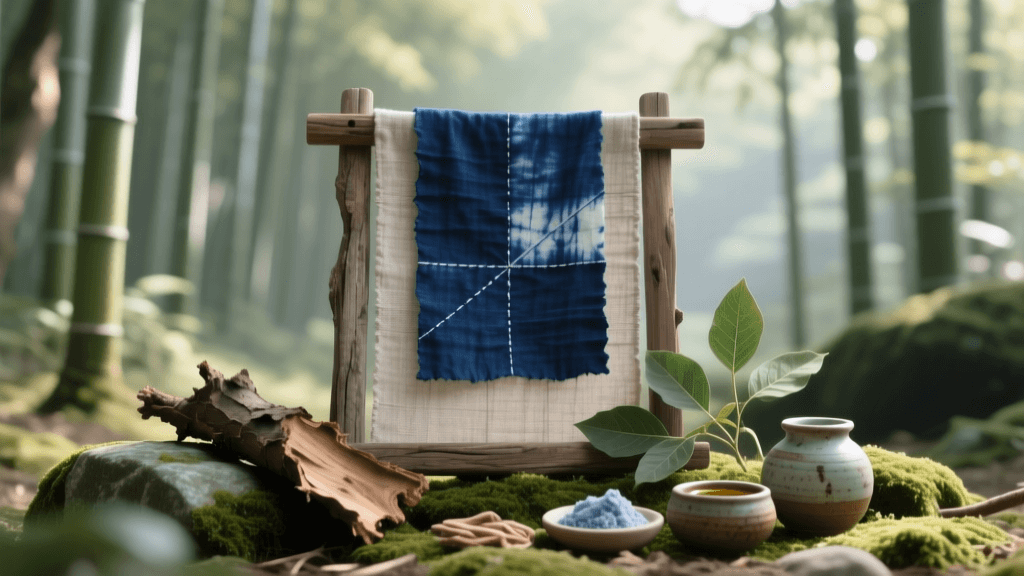
In 2026, the global textile industry is undergoing a massive paradigm shift toward circularity, and the ancient Japanese art of kusaki-zome (草木染め), or plant dyeing, has emerged as a leading sustainable practice. Unlike synthetic petrochemical dyes that pollute waterways and rely on fossil fuels, kusaki-zome utilizes renewable botanical resources, biodegradable effluents, and zero-waste methodologies. According to the Textile Exchange, the demand for traceable, naturally derived colorants has surged as brands and independent artisans seek to eliminate toxic heavy metals from their supply chains. For modern home dyers and eco-conscious studios, mastering Japanese natural dye plants is no longer just a historical pursuit; it is a vital, actionable skill for sustainable textile creation.
This comprehensive guide explores the most effective eco-friendly methods for cultivating, extracting, and fixing natural dyes using traditional Japanese plants. By integrating modern 2026 water conservation techniques and bio-mordanting, artisans can achieve vibrant, colorfast textiles with a net-zero environmental footprint.
The Core Sustainable Plants: Ai, Kihada, and Akane
Ai (Japanese Indigo)
Persicaria tinctoria, known as Ai, is the cornerstone of Japanese natural dyeing. The cultivation of Ai in regions like Tokushima has adapted to the shifting climate patterns of 2026, with farmers increasingly utilizing drought-resistant heirloom strains that require 30% less irrigation than older varieties. The traditional method of processing Ai involves composting the leaves into sukumo, which is then fermented in an alkaline vat.
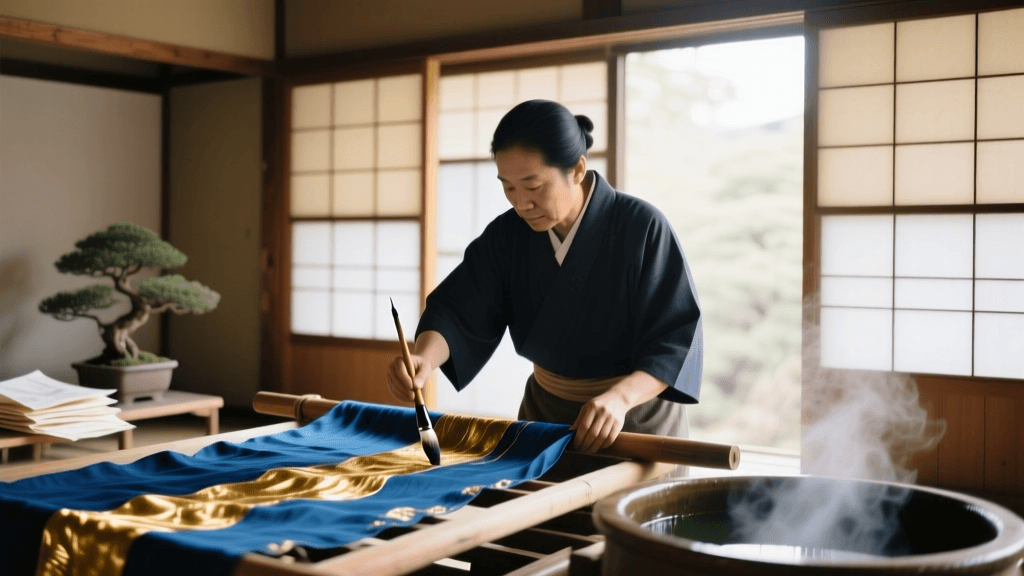
Unlike synthetic indigo reduction, which relies on toxic sodium hydrosulfite, the eco-friendly sukumo vat uses wood ash lye (aku) and natural reducing agents like wheat bran and sake. Maintaining a healthy vat in 2026 is easier than ever with affordable, waterproof digital smart-pH pens. Artisans monitor the vat to keep the pH strictly between 10.5 and 11.5, and the temperature between 25°C and 30°C. When managed correctly, a single sukumo vat can yield dozens of deep, oceanic blue dips over several months without generating hazardous chemical waste.
Kihada (Amur Cork Tree) and Akane (Japanese Madder)
For brilliant yellows, Kihada (Phellodendron amurense) is unparalleled. The inner bark of this tree contains berberine, a natural compound that not only yields a vibrant, luminous yellow but also imparts antibacterial and insect-repellent properties to the fabric. Ethical harvesting in 2026 strictly avoids stripping wild trees; instead, dyers source bark from sustainably managed forestry prunings or cultivate dwarf varieties in regenerative agroforestry setups. To extract the dye, simmer the bark at 80°C for 45 minutes. Boiling it at higher temperatures will extract bitter tannins that muddy the yellow hue.
For deep reds, Akane (Rubia argyi) roots are utilized. Akane requires patience, as the roots must mature in the soil for three to five years before harvesting. The roots are rich in alizarin, which requires a careful, low-temperature extraction (around 60°C) to prevent the red pigments from oxidizing into dull browns. The cultural preservation of these ancient botanical techniques is heavily supported by initiatives documented on Japan Heritage, ensuring that indigenous farming knowledge is passed down to the next generation of eco-textile designers.
Zero-Waste Mordanting: Moving Beyond Mined Alum
Historically, many natural dyers relied on mined alum (potassium aluminum sulfate) or heavy metals like chrome and tin to fix dyes to fibers. However, the mining of alum carries a significant ecological toll, and heavy metals are entirely incompatible with modern eco-friendly standards. In 2026, the kusaki-zome community has fully embraced bio-mordants—natural, plant-based, or upcycled fixatives that bind color to cellulose and protein fibers without environmental degradation.
Soy Milk (Gojiru) as a Protein Binder
Cellulose fibers like cotton, linen, and hemp are notoriously difficult to dye with plant matter because they lack the natural proteins that bond with color molecules. Soy milk acts as a brilliant, zero-waste bio-mordant. By soaking fabrics in a bath of freshly strained, organic soy milk (diluted 1:4 with water) and allowing them to cure in the shade for a week, the plant proteins bind to the cellulose. This creates a receptive canvas that drastically improves the colorfastness and vibrancy of Akane and Ai.
Binrouji (Tannin-Rich Acorn Cups)
Binrouji refers to the cups of the acorn, which are naturally abundant in tannic acid. Collecting fallen acorn cups in the autumn provides a free, renewable mordant. Boiling the cups for two hours yields a dark, tannin-rich liquid that acts as a powerful astringent, locking yellow and green dyes into the fabric while simultaneously shifting the color palette toward complex, earthy olives and warm grays.
Upcycled Iron Liquor
Instead of purchasing synthetic iron powder, eco-dyers create their own iron modifier using upcycled materials. By submerging rusted iron nails or scavenged steel wool in a jar of equal parts white vinegar and water, and letting it sit for 14 days, you create a highly concentrated iron acetate solution. Adding just a few drops of this liquor to a dye bath instantly 'saddens' or darkens the color, turning Kihada yellow into a rich moss green or deepening Akane red into a moody plum.
Eco-Mordant Comparison Chart
| Bio-Mordant | Source Material | Color Shift Effect | Best Plant Pairing |
|---|---|---|---|
| Soy Milk (Gojiru) | Organic soybeans | Deepens / Red-shift | Akane (Madder) |
| Binrouji | Foraged acorn cups | Grays / Olives | Kihada (Yellow) |
| Iron Liquor | Rusted iron + vinegar | Saddens / Darkens | Ai (Indigo) |
| Ume Su (Plum Vinegar) | Umeboshi pickling byproduct | Brightens / Pink-shift | Shiso (Perilla) |
Closed-Loop Water Systems and Solar Thermal Heating
Water consumption is a critical metric in textile dyeing. The UN Environment Programme highlights that water stewardship is paramount for the future of sustainable fashion. In 2026, advanced home studios and artisan collectives are implementing closed-loop water systems to ensure that not a single drop of dye effluent enters the municipal sewage system.
Rainwater Harvesting and Filtration
Natural dyes are highly sensitive to the mineral content and pH of water. Hard tap water can cause Kihada to turn muddy, while heavily chlorinated water can inhibit the fermentation of an Ai vat. Eco-conscious dyers now utilize rooftop rainwater harvesting systems, passing the water through simple, multi-stage bio-sand and activated carbon filters. This provides the soft, neutral water ideal for botanical extraction while drastically reducing reliance on municipal water grids.
Solar Thermal Dye Extraction
Heating large vats of water traditionally requires significant electricity or gas. Modern sustainable studios have adopted solar thermal heating panels to pre-heat dye extraction water. By routing water through solar coils on the roof, the water enters the studio at 50°C to 60°C. This is the perfect temperature range for extracting delicate dyes like Akane and Shiso (perilla) without requiring additional grid electricity. For higher temperatures needed for wood barks, highly insulated electric kettles powered by residential solar arrays finish the job efficiently.
Composting Spent Botanicals
The principle of zero-waste extends to the plant matter itself. After extracting the dye, the spent leaves, roots, and bark are not thrown in the trash. Instead, they are added to a hot compost bin. The nitrogen-rich leaves of the Ai plant and the fibrous roots of the Akane break down beautifully, creating a nutrient-dense soil amendment that is fed back into the garden to grow the next season's dye crops, completing the biological cycle.
Sourcing and Cultivating Ethically
As the popularity of kusaki-zome grows, ethical sourcing has become a major focus in 2026. Overharvesting of wild plants like Kihada and certain lichens can devastate local ecosystems. Artisans are encouraged to grow their own annual dye plants, such as Ai, Marigold, and Shiso, in home gardens or community plots. For tree-based dyes and slow-growing roots, partnering with certified regenerative farms in Japan and local botanical cooperatives ensures that the agricultural practices support soil health, biodiversity, and fair labor wages.
Conclusion
The practice of Japanese natural dyeing in 2026 is a beautiful synthesis of ancestral wisdom and modern ecological responsibility. By utilizing Ai, Kihada, and Akane alongside zero-waste bio-mordants and closed-loop water systems, artisans can create breathtaking, colorfast textiles that honor the environment. Kusaki-zome proves that true luxury in fashion does not require synthetic shortcuts; rather, it is found in the patience, care, and deep respect for the natural world that these ancient methods demand.