Best Japanese Fashion Blogs For Traditional Garments In 2026
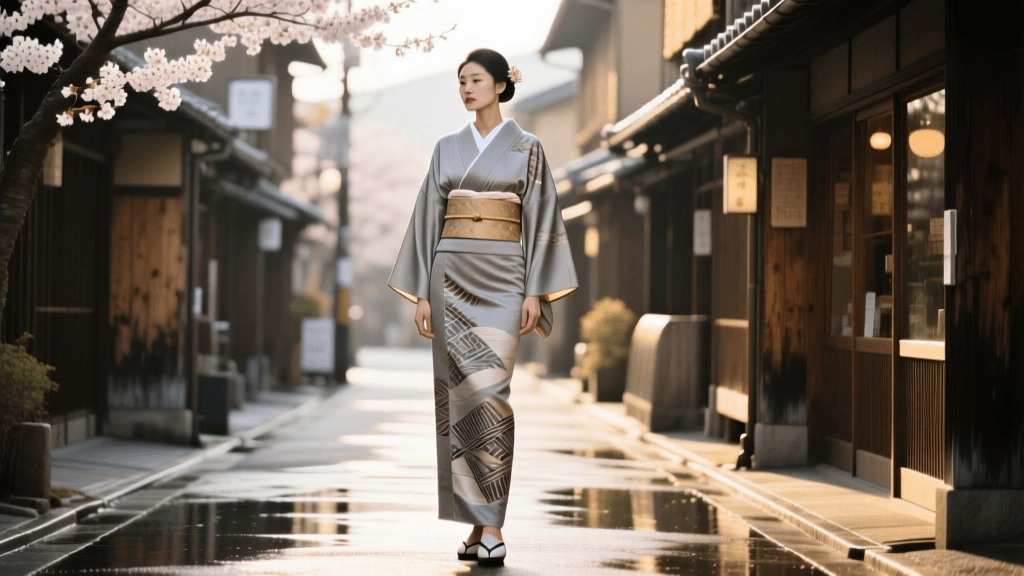
The Digital Renaissance of Japanese Heritage Fashion Journalism
In 2026, the landscape of Japanese fashion journalism has undergone a profound transformation, moving far beyond the hyper-focused streetwear documentation of the early 2010s. Today, the most influential Japanese fashion blogs and online magazines are at the forefront of a cultural renaissance, meticulously documenting the revival, adaptation, and global integration of traditional garments. From the intricate silk weaves of the Nishijin district to the breathable, climate-adaptive linen yukatas designed for Tokyo's increasingly humid summers, digital media platforms are bridging the gap between centuries-old artisanal techniques and contemporary sartorial expression.
For enthusiasts, designers, and cultural historians, navigating this digital ecosystem is essential. The modern Japanese fashion publication does not merely treat the kimono, haori, or jinbei as historical relics; instead, they frame them as living, breathing elements of a sustainable fashion future. By leveraging augmented reality (AR) editorial spreads, high-definition textile macro-photography, and deep-dive artisan interviews, these platforms are redefining how the world consumes and appreciates Asian traditional garments. This guide explores the premier online magazines and niche blogs shaping the narrative of Japanese heritage wear in 2026.
Leading Online Magazines Documenting Traditional Garments
The shift from print to digital has allowed Japanese fashion media to embrace multimedia storytelling, providing a richer context for traditional clothing. Below are the premier platforms leading the charge in heritage fashion journalism this year.
Nippon.com: The Gold Standard for Artisan Journalism
While not exclusively a fashion magazine, Nippon.com's Arts and Culture section remains an indispensable resource for understanding the foundational craftsmanship behind Japanese garments. In 2026, their editorial team has published extensive, multi-part series on the endangered natural dyeing techniques of the Ryukyu Islands and the mathematical precision required for Edo-period pattern drafting. Their journalism focuses heavily on the artisans—the weavers, dyers, and embroiderers—providing readers with a profound appreciation for the hundreds of hours required to produce a single formal obi. For those researching the historical accuracy and material sourcing of traditional textiles, Nippon.com offers unparalleled, well-researched long-form journalism.
Fashionsnap: Bridging Runways and Heritage Textiles
Fashionsnap is the undisputed heavyweight in Japanese fashion industry news, and in 2026, their coverage of traditional garment integration on the runway is exceptional. As Tokyo Fashion Week increasingly features designers who deconstruct and reconstruct traditional silhouettes, Fashionsnap provides critical reviews, backstage interviews, and high-resolution gallery coverage. They are particularly adept at covering the 'Neo-Traditional' movement, where young designers blend technical outdoor fabrics with classic kimono draping. Their reporting on the 2026 sustainability index for vintage silk has also been instrumental in pushing the Japanese fashion industry toward circular economy practices, making it a must-read for industry professionals.
Vogue Japan: Elevating the Kimono on the Global Stage
Vogue Japan continues to set the standard for high-fashion editorial content, seamlessly blending global luxury with Japanese heritage. In their 2026 digital editorials, Vogue Japan has pioneered the use of AR-enabled lookbooks, allowing readers to inspect the metallic threads of a Nishijin-ori weave via their smartphones. Their fashion journalism often highlights how global luxury houses are collaborating with regional Japanese dyeing cooperatives, ensuring that traditional techniques like Shibori and Yuzen are compensated fairly and credited accurately. Their 'Heritage & Haute Couture' monthly column is a staple for readers interested in the intersection of high fashion and traditional Asian garments.
Kimono Salone and Niche Digital Collectives
Beyond the major publications, niche blogs and digital collectives like Kimono Salone and various Harajuku-based street style archives focus exclusively on the everyday wearability of traditional garments. These platforms excel at documenting 'Wa-Modern' street style, capturing how youth in neighborhoods like Shimokitazawa and Koenji style vintage haori over modern streetwear, or how they accessorize summer jinbei with contemporary footwear. They provide highly actionable styling guides, detailing the exact measurements, knot-tying techniques, and seasonal rules required to wear traditional garments correctly in a modern urban context.
Comparative Analysis of Japanese Fashion Platforms
To help you navigate these resources, the following table compares the top digital platforms covering traditional Japanese garments in 2026 based on their editorial focus, target audience, and update frequency.
| Publication | Editorial Focus | Target Audience | Update Frequency | Best For |
|---|---|---|---|---|
| Nippon.com | Artisan profiles, historical context, natural dyeing | Cultural historians, textile researchers | Weekly | Deep-dive craftsmanship and historical accuracy |
| Fashionsnap | Runway reviews, industry news, sustainable textiles | Fashion industry professionals, buyers | Daily | Market trends and designer collaborations |
| Vogue Japan | High fashion editorials, luxury collaborations, AR lookbooks | Fashion enthusiasts, luxury consumers | Daily | Visual inspiration and global fashion integration |
| Kimono Salone | Styling guides, street style, secondhand market reviews | Everyday wearers, vintage collectors | Bi-Weekly | Practical styling and vintage shopping guides |
The Secondhand Kimono Boom and Digital Media
One of the most significant trends covered by Japanese fashion journalism in 2026 is the explosion of the secondhand and vintage kimono market. As sustainability becomes a non-negotiable pillar of modern fashion, digital magazines have dedicated entire verticals to the curation, authentication, and upcycling of vintage silk garments. Blogs frequently publish guides on how to identify authentic Meiji and Taisho-era romaji velvet (yuuzen) and how to properly clean and store delicate vintage silks.
Furthermore, fashion journalists are actively covering the 'Upcycle Wa' movement, where damaged or stained kimono are deconstructed and repurposed into modern apparel, such as bomber jackets, wide-leg trousers, and even upholstery. By highlighting the zero-waste nature of traditional kimono construction—where the garment is woven to specific dimensions and assembled without cutting the fabric—digital media is educating a new generation on the inherent sustainability of Asian traditional garment design.
Actionable Guide: How to Engage with Japanese Fashion Media
For artisans, vintage curators, and independent designers looking to gain coverage in these prestigious Japanese online magazines in 2026, a strategic approach is required. The editorial desks of Tokyo-based fashion media are highly competitive, and understanding their specific requirements is crucial for a successful pitch.
- Timing Your Pitches: Japanese fashion media operates on a strict seasonal calendar tied to traditional events. Pitch your summer yukata and jinbei collections by early March, well ahead of the July Obon festival. For formal winter kimono and haori, submit your lookbooks and press releases by late August to secure placement in November and December editorial spreads.
- Visual Asset Specifications: Digital magazines in 2026 demand ultra-high-resolution assets to support their AR and macro-zoom features. Ensure your editorial images are shot at a minimum of 3000x4000 pixels at 300dpi. Include detailed macro shots of textile weaves, stitching, and natural dye variations, as editors prioritize craftsmanship transparency.
- Highlighting Provenance and Sustainability: When drafting your press releases, explicitly detail the supply chain of your garments. If you are utilizing vintage silk, state the era and region of origin. If you are working with natural indigo (Aizome), provide the name and location of the dyeing cooperative. Japanese fashion journalists heavily favor brands that can authenticate their heritage and prove ethical labor practices.
- Budgeting for PR Distribution: If you are an international brand seeking coverage in Japanese digital media, consider utilizing a Tokyo-based fashion PR agency. In 2026, a standard three-month digital PR retainer focused on niche fashion journalism ranges from 450,000 JPY to 800,000 JPY, which includes showroom access for editors and translated press kits.
The Future of Heritage Fashion Journalism
As we move through 2026, the role of Japanese fashion blogs and online magazines has evolved from mere trend-reporting to vital cultural preservation. By treating traditional garments with the same critical rigor and visual reverence as contemporary haute couture, these digital platforms ensure that the kimono, yukata, and haori remain relevant, dynamic, and deeply respected. Whether you are a collector seeking the perfect vintage obi, a designer looking for textile inspiration, or a cultural enthusiast eager to understand the socio-historical weight of Asian traditions, the digital journalism ecosystem of Japan offers an unparalleled, meticulously curated window into the soul of its sartorial heritage.