Japanese Traditional Garments Guide 2026: Kimono, Yukata & Hakama
The Enduring Legacy of Japanese Traditional Garments in 2026
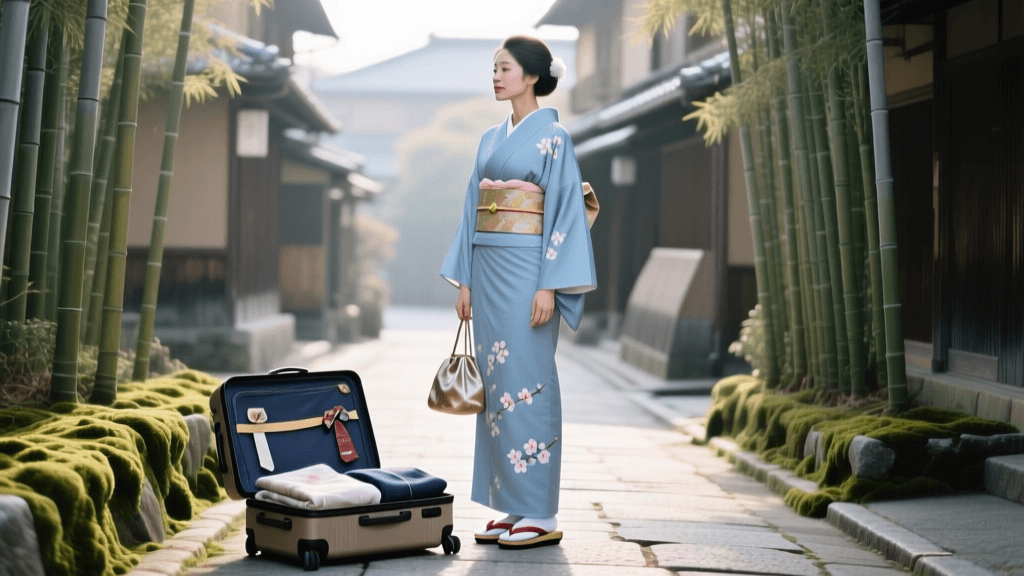
The landscape of Japanese traditional garments has evolved significantly by 2026. Once reserved strictly for ceremonies, tea gatherings, and coming-of-age days, garments like the kimono, yukata, and hakama have experienced a massive renaissance. Driven by the global "slow fashion" movement and a renewed appreciation for artisanal craftsmanship, modern wearers are integrating these T-shaped silhouettes into contemporary wardrobes. According to the Victoria and Albert Museum, the kimono is not merely a historical artifact but a dynamic, evolving garment that continues to influence global fashion. This comprehensive 2026 guide explores the distinct types of Japanese traditional wear, their appropriate contexts, and how to source and care for them today.
The Kimono: Japan's Iconic T-Shaped Garment
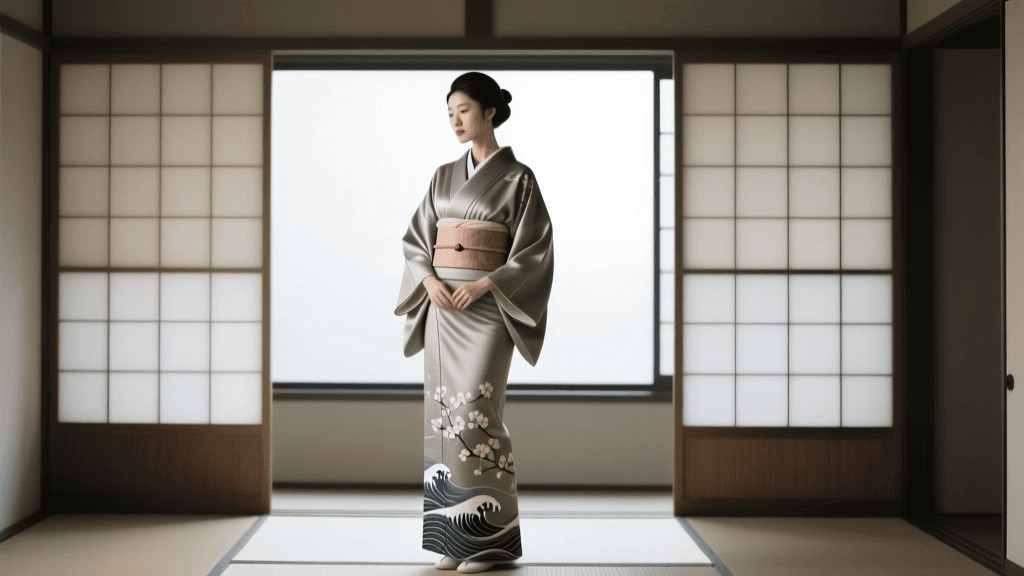
The word "kimono" literally translates to "thing to wear" (ki = wear, mono = thing). However, in modern parlance, it refers specifically to the formal, multi-layered silk garment. The Metropolitan Museum of Art notes that the kimono's T-shaped, straight-lined construction was designed to maximize the use of precious, hand-woven silk textiles without wasting fabric. In 2026, sustainable fashion advocates heavily praise this zero-waste pattern-making technique.
Furisode and Houmongi: Formality and Elegance
Furisode: The most formal kimono for unmarried women, characterized by long, swinging sleeves that can reach up to 114 centimeters in length. The sweeping sleeves are historically believed to ward off evil spirits and express deep emotion. In 2026, renting a high-end Furisode for Seijin-no-Hi (Coming of Age Day) costs approximately ¥50,000 to ¥80,000, while purchasing a bespoke piece from a Kyoto atelier can exceed ¥800,000.
Houmongi: A semi-formal visiting kimono featuring elegant, continuous patterns that flow seamlessly across the seams when the garment is laid flat. It is the most versatile formal garment, appropriate for weddings, tea ceremonies, and high-end cultural galas. Popular 2026 motifs include abstract geometric interpretations of traditional pine, bamboo, and plum (shochikubai).
Tomesode and Komon: From Ceremonies to Daily Wear
Tomesode: The most formal kimono for married women. Kurotomesode (black with five family crests) is strictly worn by close relatives at weddings, while Irotomesode (colored) allows for slightly broader formal use.
Komon: A casual kimono covered in a repeating micro-pattern. With the 2026 resurgence of casual kimono styling, Komon are frequently paired with modern leather boots, turtlenecks, and minimalist denim obi belts for urban streetwear.
The Anatomy of a Kimono Ensemble
A full kimono ensemble requires several vital components beyond the outer robe. These include the nagajuban (protective undergarment), date-eri (false collar to simulate layers), obi (the wide sash), obi-age (silk scarf above the obi), obi-jime (decorative cord), tabi (split-toe socks), and zori (formal sandals). Mastering the art of kitsuke (dressing) often requires taking specialized courses, though 2026 has seen the rise of pre-tied "tsuke-obi" and clip-on accessories that make dressing accessible to beginners.
Obi Tying Techniques and Modern Innovations
The obi is not merely a belt; it is the focal point of the kimono ensemble. In formal settings, the fukuro obi (a heavy, brocaded sash) is tied in the elaborate taiko musubi (drum knot), requiring the use of an obi-makura (pillow) and obi-ita (stiffener) to maintain its architectural shape. For 2026, modern kitsuke schools have introduced ergonomic, memory-foam obi pillows that reduce lower back strain during long events.
Conversely, casual styling has embraced the tsuke-obi (pre-tied obi). These ingenious accessories come with the knot already formed and secured by clips or thin ties, allowing wearers to achieve a flawless silhouette in under three minutes. This innovation has been instrumental in the 2026 "kimono-for-brunch" trend, lowering the barrier to entry for younger demographics who lack the time to master complex traditional knotting techniques.
The Yukata: Summer's Breathable Cotton Staple
The yukata is the kimono's relaxed, breathable cousin. Originally worn as a bathrobe by the aristocracy during the Heian period, it evolved into the standard summer festival wear. As detailed by Japan Guide, the primary distinction between a yukata and a kimono lies in the fabric and the layers. Yukata are made from lightweight cotton, hemp, or modern moisture-wicking linen blends, and are worn directly over standard undergarments, entirely omitting the nagajuban.
In the sweltering summers of 2026, innovative textile mills in Fukui Prefecture have introduced "cool-touch" yukata fabrics infused with xylitol and mint derivatives, providing a literal cooling sensation against the skin when exposed to sweat. Styling a yukata requires a hanhaba obi (half-width sash), which allows for playful, informal tying styles like the bunko (bow) or taiko (drum). Footwear is typically limited to geta (wooden clogs) worn with bare feet or casual toe-socks, making it the most accessible entry point for international tourists and locals alike.
Hakama: Pleated Trousers of Martial and Academic Heritage
Hakama are wide, pleated trousers traditionally worn over a kimono. While historically the domain of samurai and court nobles, hakama in 2026 are most commonly seen at university graduations, martial arts dojos, and Shinto shrines. The hakama features five deep pleats in the front and two in the back, symbolizing the Confucian virtues of benevolence, justice, courtesy, wisdom, and fidelity.
Umanori Hakama: Divided like trousers, designed historically for horseback riding. These are standard in martial arts like Aikido and Kendo due to their mobility and durability.
Andon Hakama: Undivided, resembling a long, pleated skirt. This is the style predominantly worn by women over a kimono for graduation ceremonies (sotsugyoshiki). Securing a hakama requires precise tying of the himo (long cords) over the obi, creating a structured, imposing silhouette that commands respect.
Garment Formality and Occasion Matrix
| Garment Type | Formality Level | Best Occasions (2026) | Footwear Pairing |
|---|---|---|---|
| Furisode | Ultra-Formal | Coming of Age Day, Weddings (as guest) | Zori with Tabi |
| Kurotomesode | Ultra-Formal | Weddings (Mother of Bride/Groom) | Zori with Tabi |
| Houmongi | Semi-Formal | Tea Ceremonies, Galas, Formal Dinners | Zori or Heeled Boots |
| Komon | Casual | Theater, Shopping, Casual Dining | Zori, Boots, or Sneakers |
| Yukata | Informal / Summer | Matsuri (Festivals), Fireworks, Ryokan | Geta (Barefoot or Toe-socks) |
| Hakama (Andon) | Formal / Academic | University Graduations, Shrine Visits | Zori or Leather Boots |
Sourcing, Pricing, and Modern Care in 2026
Where to Buy Traditional Garments
The vintage kimono market is booming in 2026. Stores in Tokyo's Shimokitazawa and Kyoto's Higashiyama district offer upcycled, pre-loved silk kimono for as little as ¥5,000 to ¥15,000. These vintage markets are treasure troves for mid-century Showa-era textiles. For brand-new garments, direct-to-consumer artisan platforms have emerged, allowing international buyers to commission custom-dyed pieces directly from Nishijin weavers and Kaga-yuzen dyers, bypassing traditional multi-tier retail markups.
Care and Maintenance
Traditional silk kimono require maruarai (specialized wet cleaning by artisans who disassemble, wash, and resew the garment) or careful spot-cleaning. Never machine wash a traditional silk kimono. However, 2026 has seen the mass adoption of "washable silk" and high-grade polyester kimono that mimic the drape of chirimen (crepe silk) perfectly, allowing for home washing in delicate mesh bags. Yukata, being cotton, can generally be hand-washed or machine-washed on a gentle cycle, provided the indigo or reactive dyes are properly set.
Storage is equally critical. Garments must be folded along their natural seam lines and stored flat in tatou-shi (acid-free paper) inside a paulownia wood chest (kiri-bako). Paulownia wood naturally regulates humidity and repels insects, ensuring that these wearable works of art survive to be passed down to the next generation.